
Contraception
Methods used to prevent pregnancy during sex. Includes condoms, the pill, implants, IUDs, and more.
Contraception is anything used to stop pregnancy from happening when people have sex. There are lots of types, like condoms, the pill, and things a doctor can put in your body. They're all free in the UK.
Contraception is anything used to prevent during sex. There are lots of different methods — , , , , and more — and they work in different ways. All contraception is free on the NHS in the UK.
- All contraception is free on the NHS — you don't have to pay for any of it.
- You don't need to be 16 to access contraception. Under the , if a doctor believes you understand the decision, they can provide it confidentially.
- Condoms are the only method that protects against both pregnancy and . Everything else only prevents pregnancy.
- "" methods (implant, IUD, IUS, ) are the most effective because they don't rely on you remembering to do something every day.
- No method is 100% perfect — but most are very effective when used correctly.
[DIAGRAM: Comparison chart of contraception methods showing type, how it works, effectiveness rate, and pros/cons]
The main methods
There are quite a few options, which is good because different things work for different people. Here's an overview:
Barrier methods — these physically block from reaching an .
- External condom — worn on the . The only method that also prevents STIs. About 98% effective with perfect use, 82% in typical use.
- Internal condom — worn inside the . Also protects against STIs. About 95% effective with perfect use.
- Diaphragm/cap — a silicone dome placed over the . Used with . 92-96% effective with perfect use.
Hormonal methods — these use to prevent , thin the womb lining, or thicken cervical mucus.
- The combined pill — taken daily for 21 days with a 7-day break (or continuously, depending on the type). Over 99% effective with perfect use, about 91% in typical use.
- The progestogen-only pill (mini pill) — taken every day with no break. Same effectiveness as the combined pill.
- The — a sticky patch worn on the skin, changed weekly for three weeks, then a week off. Over 99% effective with perfect use.
- The — a small flexible ring placed inside the vagina for three weeks, then removed for a week. Over 99% effective with perfect use.
- The injection — a jab given every 8 or 13 weeks (depending on the type). Over 99% effective with perfect use.
Long-acting reversible contraception (LARC) — these are fitted by a healthcare professional and last for months or years. They're the most effective methods because there's nothing to forget.
- The implant — a small flexible rod inserted under the skin of the upper arm. Lasts up to 3 years. Over 99% effective.
- The IUD (copper coil) — a small T-shaped device placed in the . Contains no hormones. Lasts 5-10 years. Over 99% effective.
- The IUS (hormonal coil) — similar to the IUD but releases a small amount of progestogen. Lasts 3-8 years depending on the type. Over 99% effective.
— used after unprotected sex or contraception failure.
- Emergency pill (morning-after pill) — most effective within 24 hours, can work up to 72 hours (Levonelle) or 120 hours (EllaOne).
- Emergency IUD — the most effective form of emergency contraception. Can be fitted up to 5 days after unprotected sex.
How to choose
There's no single "best" contraception — it depends on your body, your lifestyle, and what matters to you. Some people want something they don't have to think about (implant, IUD). Some prefer something they control daily (the pill). Some want STI protection too (condoms).
A GP, nurse, or can talk you through the options. You can also try one method and switch if it doesn't suit you — it's not a permanent decision (except sterilisation, which is permanent and almost never offered to young people).
Accessing contraception
You can get contraception from:
- Your GP — can prescribe or fit most methods
- Sexual health clinics — all methods available, often without an appointment for simpler ones
- Brook — specifically for under-25s
- Pharmacies — for condoms, the progestogen-only pill (available without prescription since 2023 [CHECK: still current?]), and emergency contraception
You don't need parental permission. Under the Fraser Guidelines, healthcare professionals can provide contraception to under-16s if they're satisfied you understand what's involved. Everything is confidential unless there's a safeguarding concern.
Things people get wrong
"The pill is the only option." There are over 15 different methods. If one doesn't suit you, there's almost certainly another that will.
"You have to be 16 to get contraception." You don't. The Fraser Guidelines mean you can access it younger if a healthcare professional believes you're mature enough to make the decision.
"Contraception is the girl's job." Pregnancy prevention is a shared responsibility. Condoms are used by the person with a penis. But anyone can take the lead on making sure contraception is sorted.
"The morning-after pill is an ." It's not. Emergency contraception prevents pregnancy from happening — it doesn't end an existing pregnancy.
Things people ask about contraception
Which method is best for me?
It depends on what matters to you. If you want something you don't have to think about, LARC methods (implant, coil) are great. If you want STI protection too, condoms. If you want control over a daily routine, the pill. A clinic can help you work it out.
Will contraception make me gain weight?
Most methods don't cause significant weight gain. The injection (Depo-Provera) is the one most associated with it, but even then it varies. Don't let this fear stop you from exploring options — talk to a professional about your concerns.
Can I use two methods at once?
Yes, and it's actually a good idea. Using condoms alongside another method (like the pill or implant) gives you protection against both pregnancy and STIs. This is sometimes called dual protection.
What if I forget to take the pill?
It depends which pill you're on and how many you've missed. The instructions that come with the packet explain exactly what to do. If in doubt, use condoms as backup and contact a pharmacist or clinic.
Where to get help
- Sexual health clinics — all contraception methods available, free and confidential.
- Brook — sexual health services specifically for under-25s, including contraception.
- Your GP or school nurse — can prescribe contraception and talk through options.
- Pharmacies — for condoms, the progestogen-only pill, and emergency contraception.
Contraception means ways of stopping during sex. There are lots of different types, and they're all free on the NHS.
are the most well-known. They fit over a during sex and catch the . They're also the only type that helps protect against infections.
is a tablet you take every day. It uses to stop your body releasing an each month. There are also you stick on your skin and a small ring that goes inside the body.
Some types last for months or years without you having to think about them. A small rod can be put under the skin of your arm and lasts up to three years. A small device can be placed inside the womb by a doctor or nurse and lasts for years. These are the most reliable types because there's nothing to forget.
If someone has sex without using any protection, or if something goes wrong like a condom breaking, there's an emergency pill that can help stop pregnancy if taken quickly afterwards.
You don't have to be 16 to get contraception. If a doctor thinks you understand what you're asking for, they can give it to you and keep it private.
There's no single best method. Different things suit different people. A doctor, nurse, or clinic can help you work out what's right for you.
Related terms
Questions about this
-
 Contraception & Pregnancy
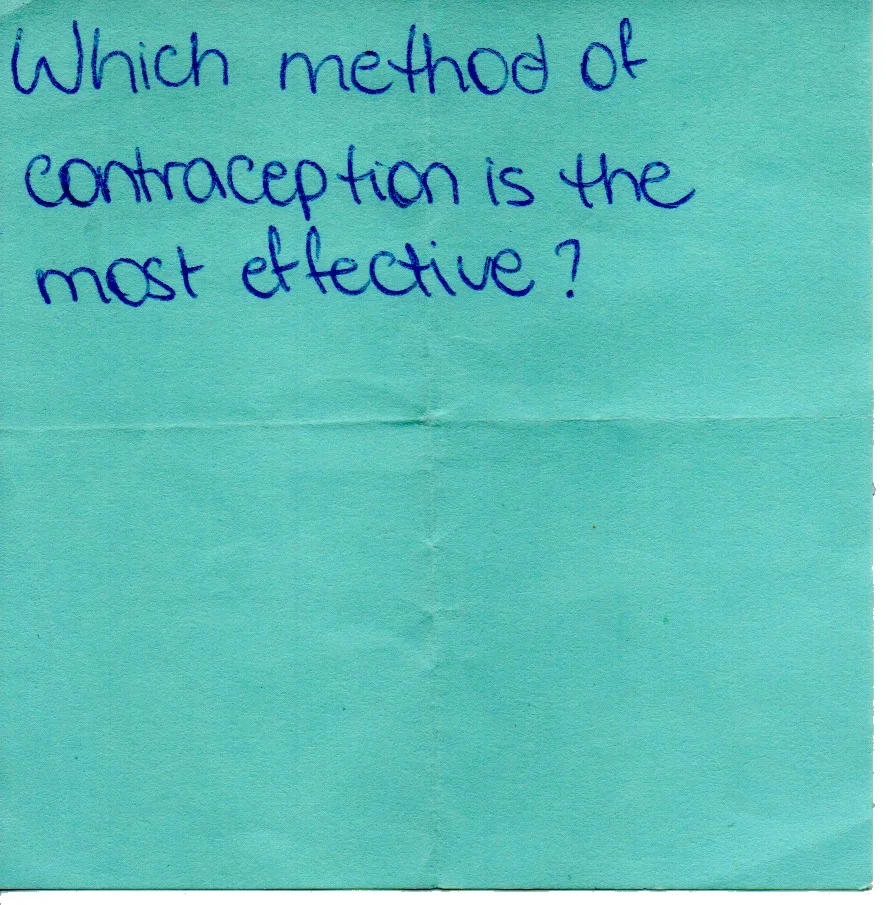
Which method of contraception is the most effective?
Read the answer -
 Contraception & Pregnancy
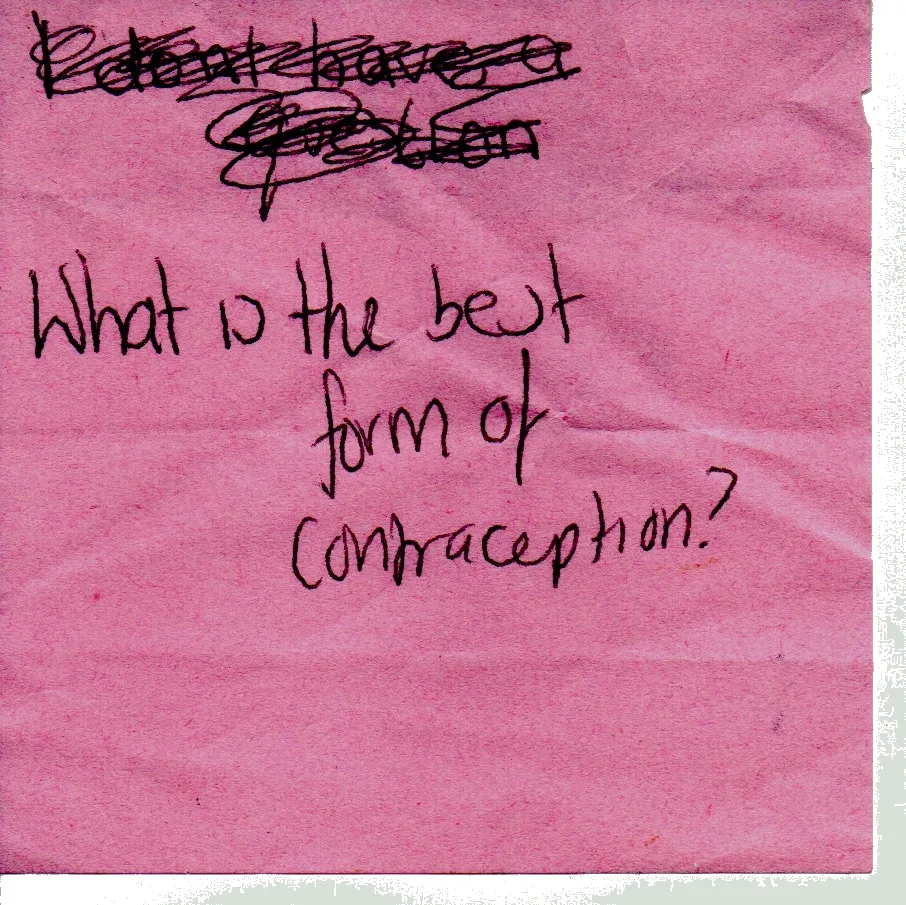
What is the best form of contraception?
Read the answer -
 Contraception & Pregnancy
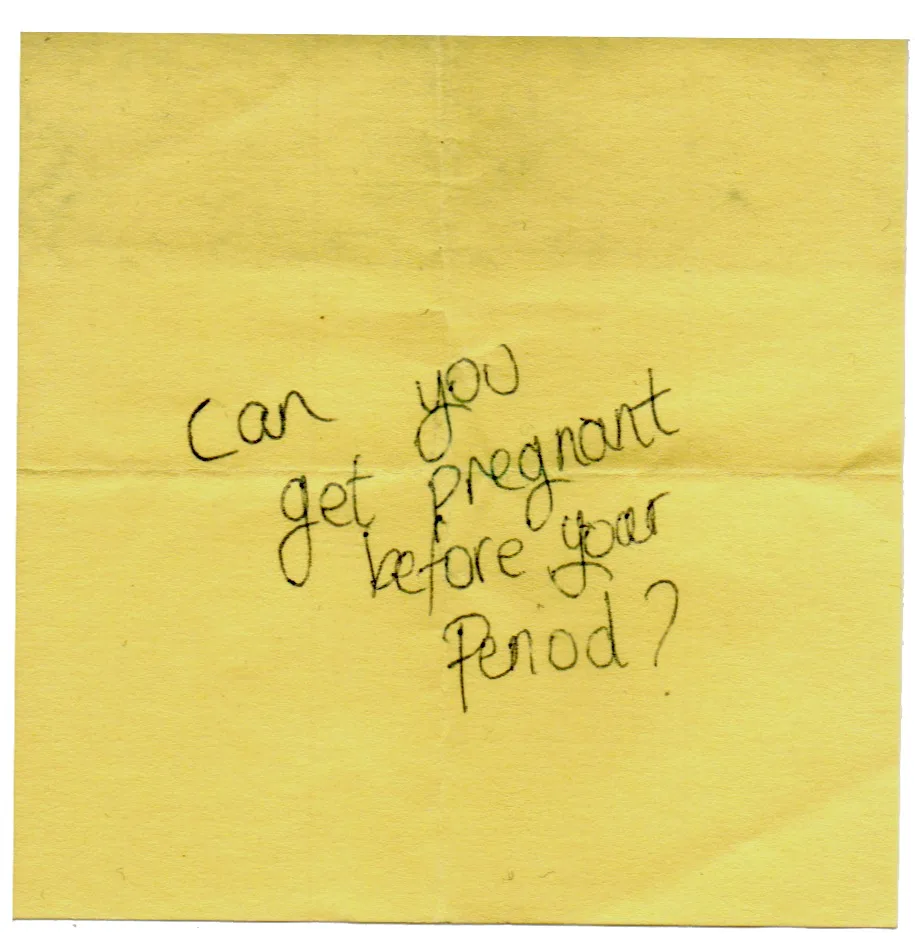
Can you get pregnant before your period?
Read the answer -
 Contraception & Pregnancy
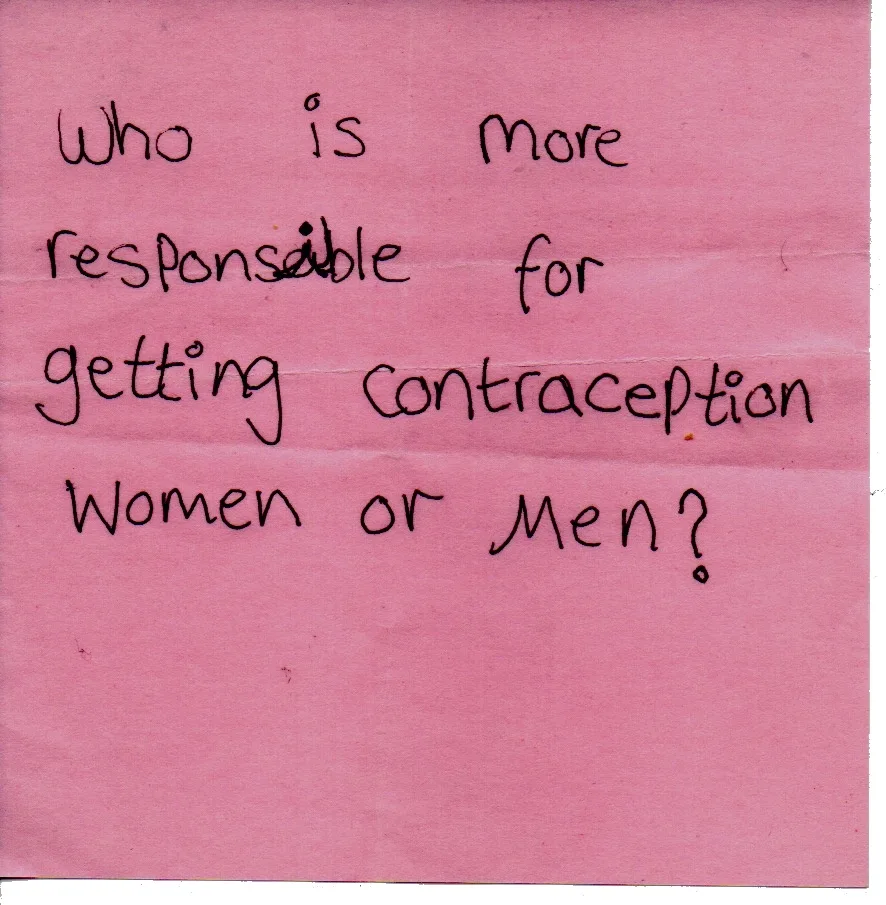
Who is more responsible for getting contraception women or men?
Read the answer -
 Contraception & Pregnancy
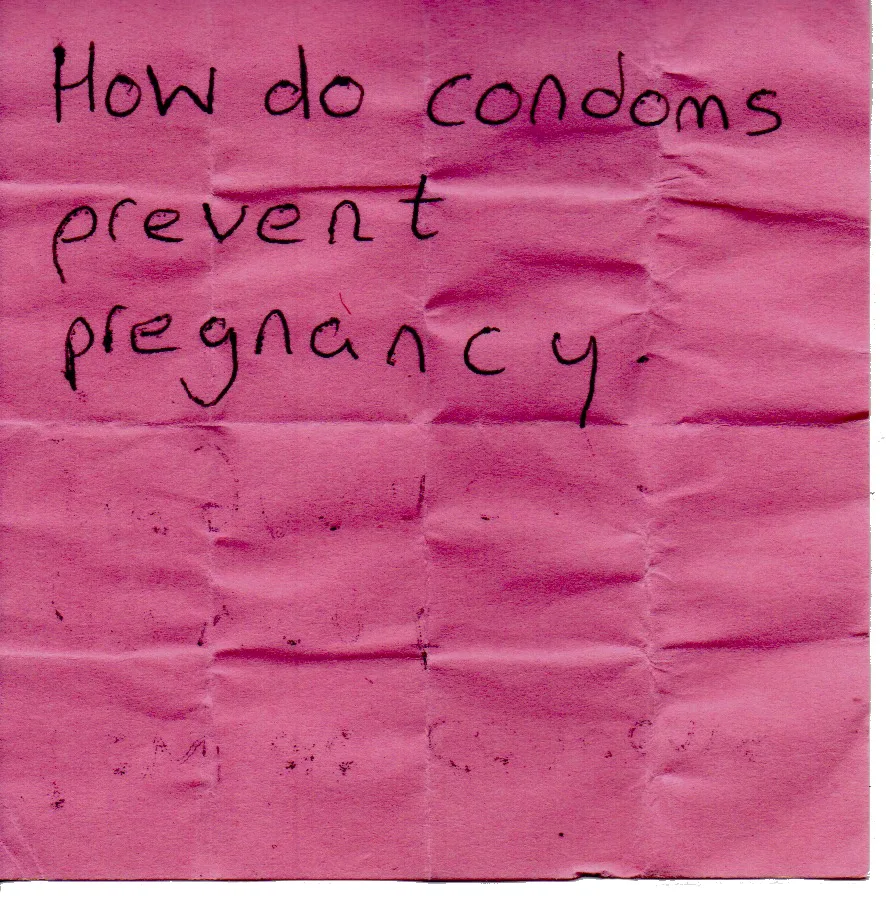
How do condoms prevent pregnancy?
Read the answer -
 Contraception & Pregnancy
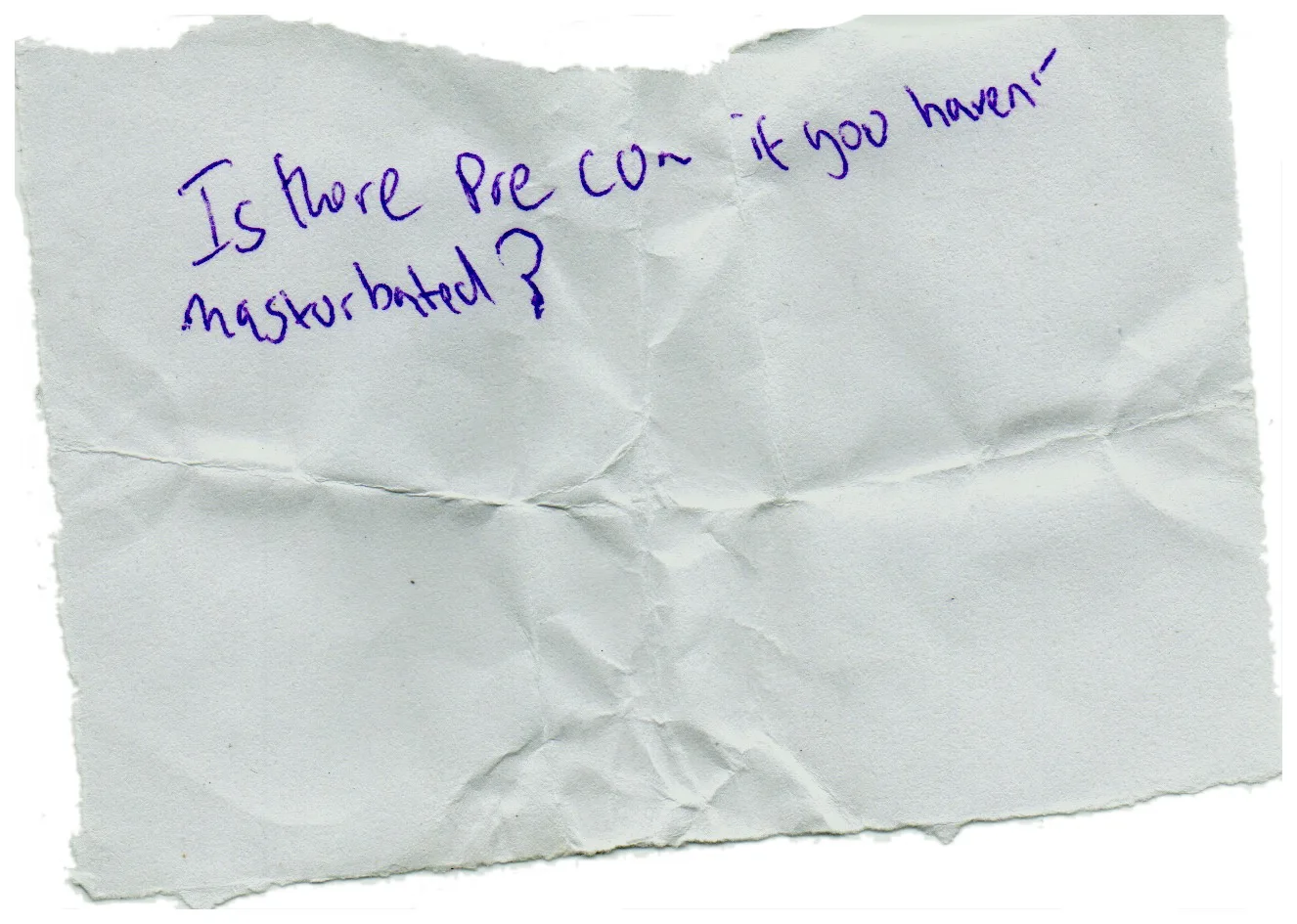
Is there pre-cum if you haven't masturbated?
Read the answer
Need to talk to someone?
- ChildlineAny issue affecting under-19s. Abuse, bullying, mental health, relationships, sexual health.