
The pill
A daily hormonal tablet taken to prevent pregnancy. Very effective when taken properly.
The pill is a tablet you take every day to stop pregnancy. There are two types — one has two hormones, the other has one. They're very effective when taken properly and free on the NHS.
"The pill" usually refers to the contraceptive pill — a daily hormonal tablet taken to prevent . There are actually two types: the combined pill (containing and progestogen) and the progestogen-only pill (sometimes called the mini pill). Both are over 99% effective with perfect use, but in typical use they're about 91% effective — because people miss pills. They're free on the NHS.
- "The pill" covers two types: the combined pill and the progestogen-only pill (mini pill).
- Over 99% effective with perfect use, about 91% in real-world use.
- You take one tablet every day — same time each day for the mini pill, more flexibility with the combined pill.
- Free from GPs, , and Brook. The progestogen-only pill is also available over the counter at pharmacies. [CHECK: current OTC availability]
- The pill doesn't protect against — you'd need for that.
[DIAGRAM: Infographic comparing combined pill vs mini pill — how each works, when to take it, what to do if you miss one]
The two types
The combined pill contains oestrogen and progestogen. You take it for 21 days, then have a 7-day break (during which you get a withdrawal bleed — not a real ). Some brands are taken continuously with a shorter or no break. It works by stopping , thinning the lining, and thickening cervical mucus.
Not everyone can take the combined pill — people with a history of blood clots, certain migraines (with aura), or who smoke over 35 should use a different method. A GP or nurse will check before prescribing.
The progestogen-only pill (mini pill) contains only progestogen. You take it every day with no break. Most types need to be taken within the same 3-hour window each day, though newer types (like desogestrel) have a 12-hour window. [CHECK: current window for desogestrel pills] It mainly works by thickening cervical mucus and, in most people, suppressing ovulation.
The mini pill is suitable for more people, including those who can't take oestrogen.
What happens if you miss one
Missing a pill reduces its effectiveness. What to do depends on which type you're on and how many you've missed — the instructions in the packet explain exactly what to do. As a general rule: take the missed pill as soon as you remember, use condoms as backup for the next 7 days if needed, and consider if you've had unprotected sex during the gap.
Setting a daily alarm on your phone is the simplest way to remember.
Side effects
Most people tolerate the pill well. Possible side effects include headaches, nausea, mood changes, breast tenderness, and changes to bleeding patterns. Some people find the pill improves their skin (it's sometimes prescribed for acne) and makes periods lighter and less painful. Others find it affects their mood or negatively.
If one pill doesn't suit you, there are many different brands with slightly different hormone combinations. It often takes trying one or two to find the right fit.
Things people get wrong
"The pill makes you gain weight." Research doesn't consistently support significant weight gain from the pill. Some people notice minor changes, but it's not a guaranteed side effect.
"You need to take a break from the pill every few years." There's no medical need for a "pill break." You can take it continuously for as long as it suits you.
"The bleed during the break week is a real period." It's a withdrawal bleed caused by the drop in during the pill-free week. It's not the same as a natural period, which is why it's often lighter and more predictable.
Things people ask about the pill
Which pill is right for me?
A GP or clinic can help you decide based on your medical history and preferences. If you can take oestrogen, the combined pill offers more flexibility. If not, the mini pill is a great option.
Can I skip the break week to avoid a bleed?
With the combined pill, yes — many people run packs together to skip the withdrawal bleed. This is generally safe and increasingly recommended. Check with your prescriber. [CHECK: current guidance on continuous pill-taking]
Will it affect my future ?
No. Fertility returns quickly after stopping the pill — sometimes within days. It doesn't cause any long-term fertility changes.
Can I get the pill without seeing a doctor?
The progestogen-only pill is available over the counter at pharmacies without a prescription. The combined pill still requires a prescription from a GP or clinic.
Where to get help
- Your GP — can prescribe either type after a health check.
- Sexual health clinics — can prescribe and provide the pill.
- Brook — services for under-25s.
- Pharmacies — for the progestogen-only pill without a prescription.
The pill is a small tablet you take every day to stop . It uses to prevent the body from releasing an . No egg means no pregnancy.
There are two types. The combined pill has two hormones in it. You take it for 21 days, then have a 7-day break. During the break you get some bleeding, but it's not a real .
The other type is called the mini pill. It has only one hormone. You take it every day with no break. It needs to be taken at around the same time each day.
Both types are over 99% effective if taken perfectly. In real life, because people sometimes forget, it's about 91% effective.
If you miss a pill, follow the instructions in the packet. You might need to use as backup for a few days.
The pill is free from a doctor or clinic. One type of the mini pill can also be bought from a pharmacy without a prescription.
The pill does not protect against infections passed on through sex. You'd need condoms for that.
Some people get side effects like headaches, mood changes, or feeling sick. If one type doesn't suit you, a different brand might work better. The pill doesn't affect your ability to get in the future — once you stop, it comes back quickly.
Related terms
Questions about this
-
 Contraception & Pregnancy
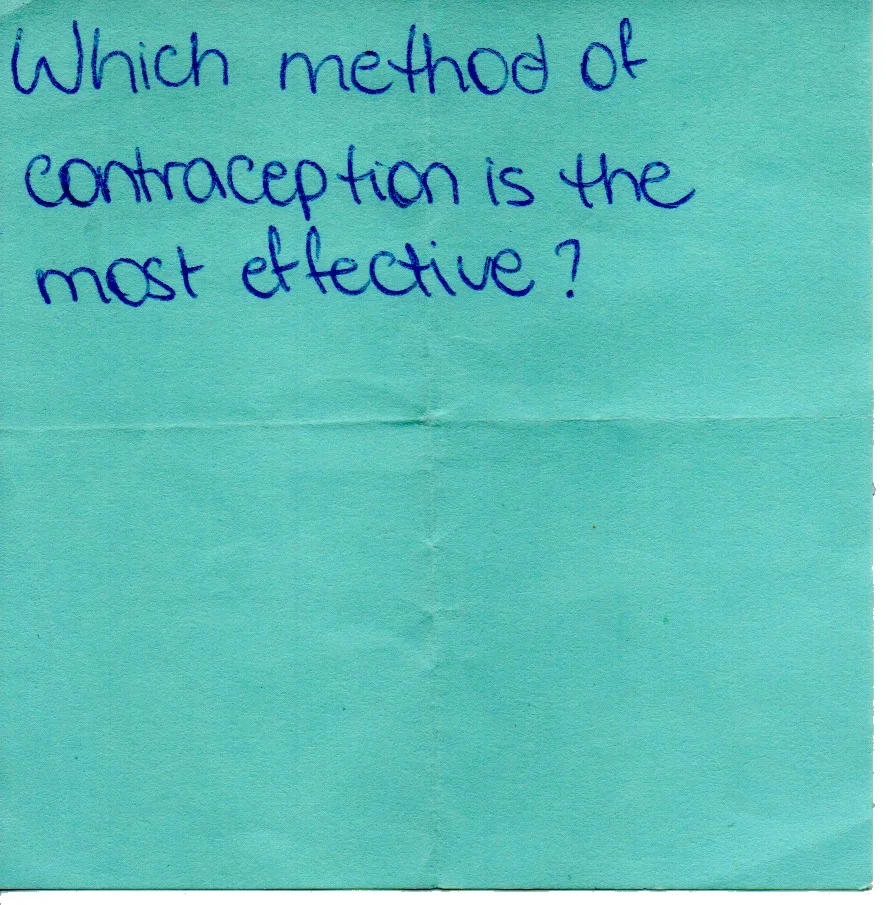
Which method of contraception is the most effective?
Read the answer -
 Contraception & Pregnancy
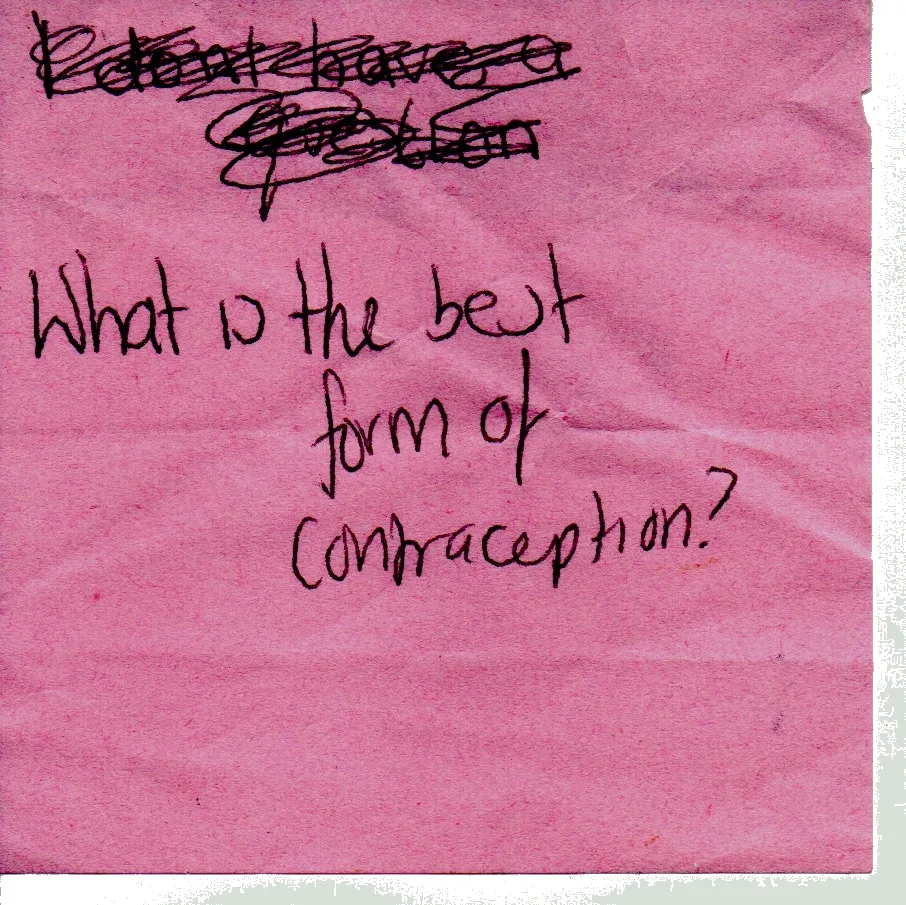
What is the best form of contraception?
Read the answer -
 Contraception & Pregnancy
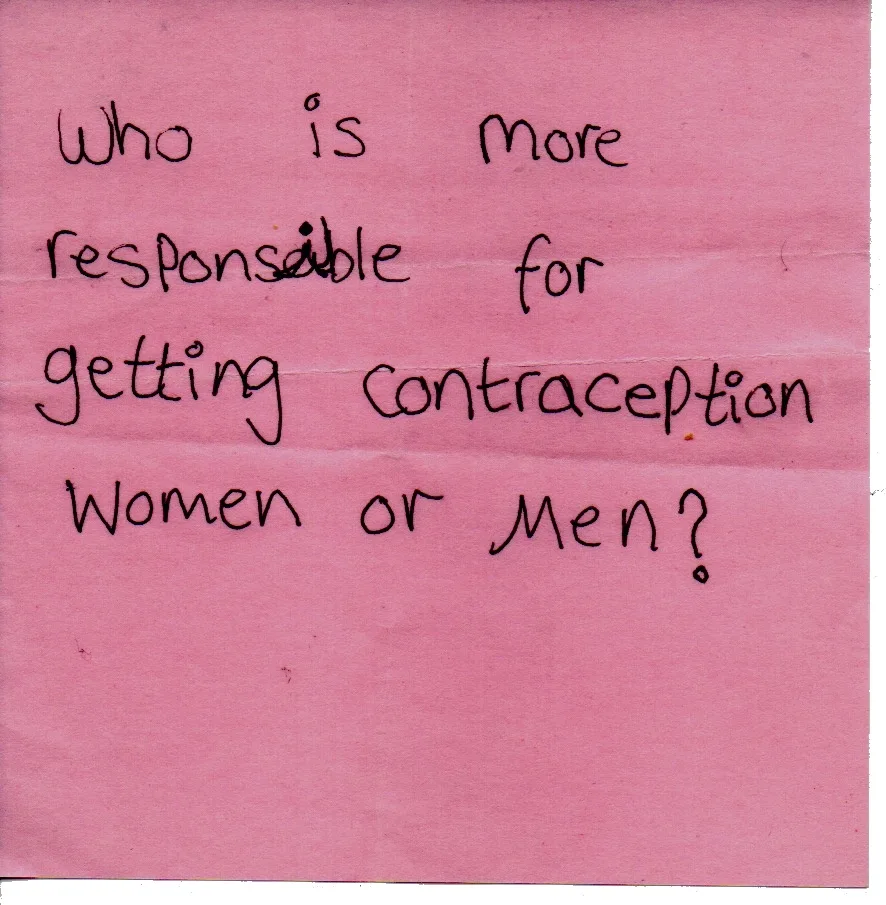
Who is more responsible for getting contraception women or men?
Read the answer -
 Contraception & Pregnancy
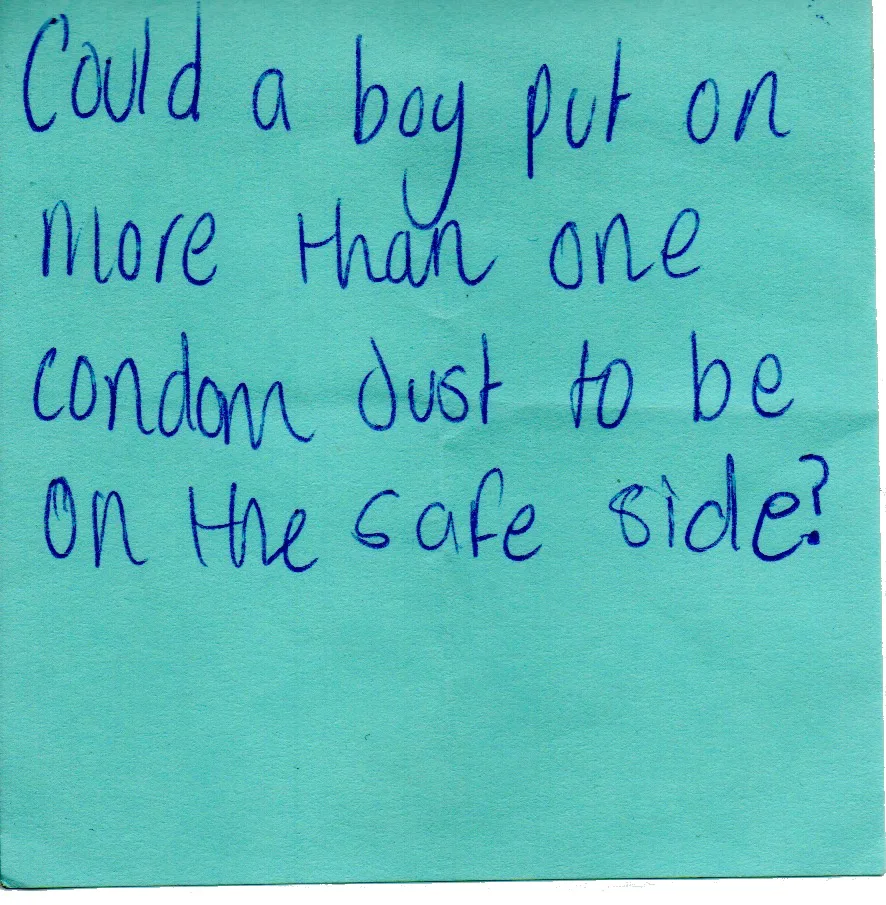
Can a boy put on more than one condom just to be on the safe side?
Read the answer -
 Sexual Health
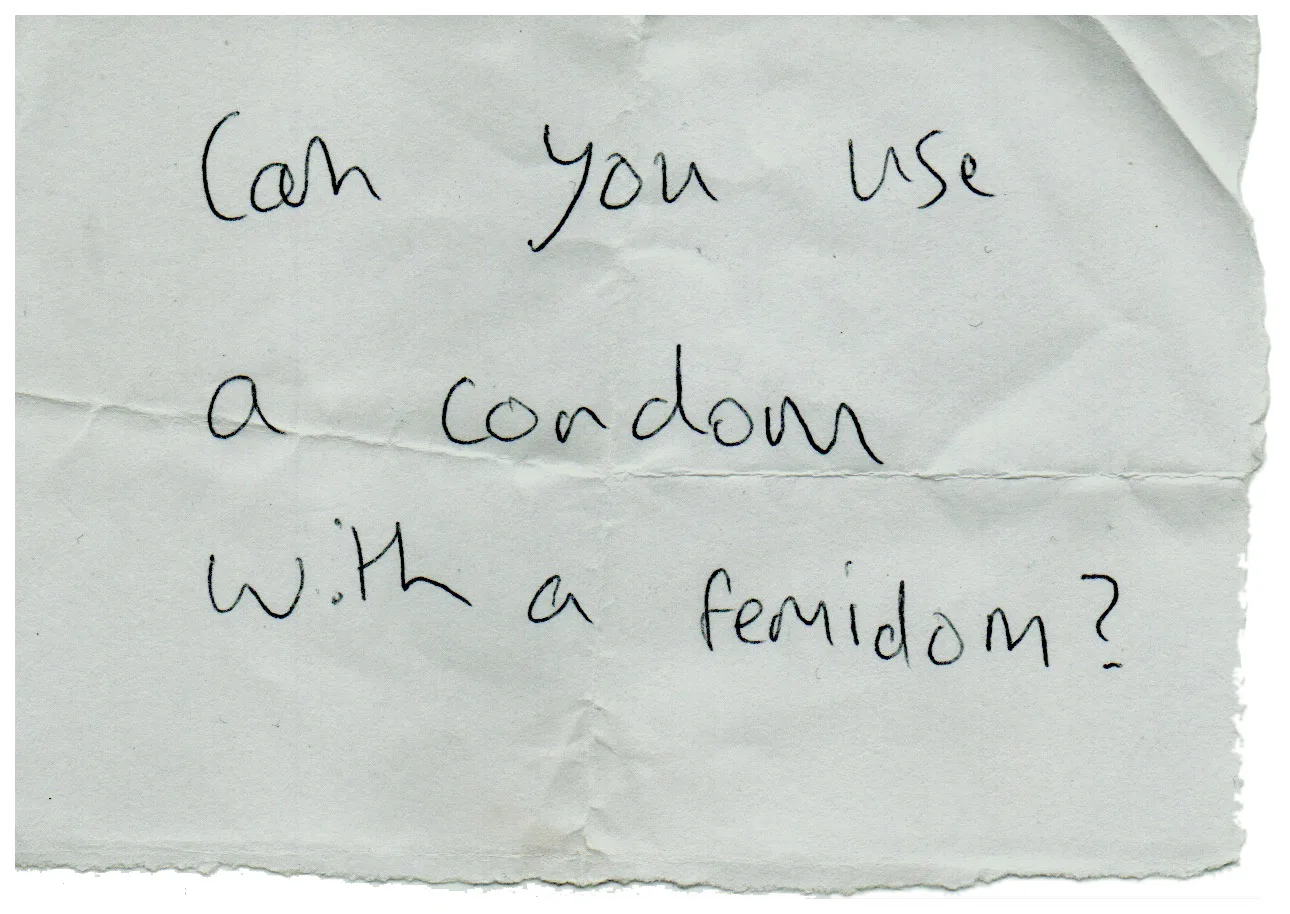
Can you use a condom with a femidom?
Read the answer -
 Contraception & Pregnancy
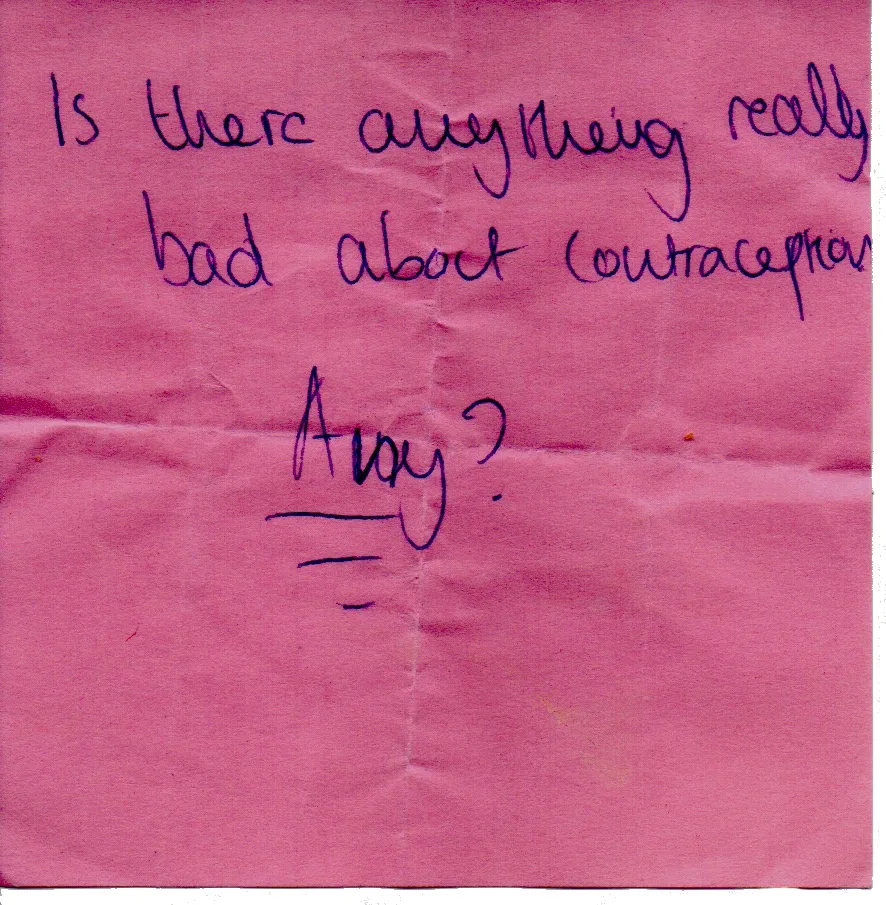
Is there anything really bad about contraception?
Read the answer
Need to talk to someone?
- ChildlineAny issue affecting under-19s. Abuse, bullying, mental health, relationships, sexual health.