
IUD
A small T-shaped device placed inside the uterus by a doctor for long-term contraception. Lasts 5-10 years.
An IUD is a small T-shaped device that a doctor or nurse puts inside the womb to stop pregnancy. It's often called "the coil." It lasts 5-10 years and is over 99% effective.
An IUD (intrauterine device), often called "the coil," is a small T-shaped device that's placed inside the to prevent . There are two types: the copper IUD (non-hormonal) and the IUS (hormonal). Both are over 99% effective and last for years — making them some of the most reliable, low-maintenance available.
- IUD stands for intrauterine device. It's a small T-shaped device placed inside the uterus.
- There are two types: the copper IUD (no , lasts 5-10 years) and the IUS (releases progestogen, lasts 3-8 years depending on brand).
- Both are over 99% effective — among the most reliable contraception methods.
- The copper IUD can also be used as within 5 days of unprotected sex.
- They're free on the NHS and can be fitted at any age, including for under-16s via the .
[DIAGRAM: Diagram showing IUD placement inside the uterus with strings visible through the ]
The two types
The copper IUD — a plastic T-shape wrapped in copper wire. It contains no hormones. The copper creates an environment that's toxic to and also prevents a fertilised from . It lasts 5-10 years depending on the type. Because it's non-hormonal, it doesn't affect your natural cycle — you'll still ovulate and have (which can become heavier and more painful, especially in the first few months).
The IUS (intrauterine system) — looks similar but releases a small amount of progestogen. Brand names include Mirena, Kyleena, and Levosert. [CHECK: current brands available on NHS] It works by thinning the uterus lining and thickening cervical mucus. It lasts 3-8 years depending on the brand. Most people's periods become much lighter on the IUS, and many stop altogether — which is a benefit for some and a downside for others.
Both types are sometimes just called "the coil" in everyday conversation, which can be confusing since they work differently.
Getting it fitted
An IUD or IUS is fitted by a trained nurse or doctor, usually at a or GP surgery. The procedure involves inserting the device through the cervix into the uterus. It takes about 5-10 minutes.
The honest bit: getting it fitted can be uncomfortable or painful. How much varies a lot — some people feel mostly just pressure, others find it quite painful for a short time. Cramping is common during and after the procedure. Painkillers taken beforehand can help, and some clinics offer local anaesthetic. [CHECK: current guidance on pain relief during IUD fitting] The discomfort is short-lived, and most people feel fine within a day or two.
Once fitted, two thin threads hang through the cervix into the top of the . These are for checking it's in place and for removal. A partner might occasionally feel them during sex, but they usually soften over time.
Why it's a good option for young people
IUDs and IUSs are classified as (long-acting reversible contraception), and they're recommended by healthcare professionals as a first-line option for anyone — including young people. They're not just for people who've had children, despite an outdated myth. Once fitted, you don't need to remember anything. They're more effective than , , or because there's no user error.
returns immediately after removal. You can have it taken out whenever you want, and you can get straight away.
Things people get wrong
"IUDs are only for older women who've had kids." This is an old myth. IUDs and IUSs are safe and effective for people of any age, including teenagers, and regardless of whether they've been pregnant before.
"It can get lost inside you." It can't. The IUD sits in the uterus, which is a contained space. Very rarely, an IUD can shift position (called expulsion), but it can't travel around the body. The threads allow you to check it's in place.
"Getting it fitted is unbearable." It's uncomfortable, and for some people it's quite painful — but it's quick. Most people say the result (years of hassle-free contraception) is worth a few minutes of discomfort.
Things people ask about IUDs
How does the copper IUD work as emergency contraception?
If fitted within 5 days of unprotected sex, the copper IUD is the most effective form of emergency contraception — over 99% effective. And once it's in, it continues to work as ongoing contraception for years.
Will my partner feel it during sex?
They might feel the threads at first, but these usually soften and curl against the cervix over time. If they're causing a problem, a nurse can trim them.
Can it fall out?
Expulsion happens in about 1 in 20 people, usually in the first few months. [CHECK: current expulsion rate] You can check it's in place by feeling for the threads. If you can't find them or something feels different, use as backup and see your clinic.
Which type should I choose?
The copper IUD is good if you want hormone-free contraception and don't mind potentially heavier periods. The IUS is good if you want lighter periods (or none). A nurse or doctor can help you work out which suits you.
Where to get help
- Sexual health clinics — can fit and remove IUDs/IUSs, free and confidential.
- Your GP — can fit one or refer you to someone who can.
- Brook — contraception services for under-25s, including LARC fitting.
An IUD is a small, T-shaped device that goes inside the womb to stop . It's sometimes called "the coil." A doctor or nurse puts it in, and once it's there, you don't need to think about birth control for years.
There are two types. One is made with copper and has no . It lasts 5-10 years. The copper stops from working properly. With this type, you still get , and they might be heavier at first.
The other type releases a small amount of hormone. It lasts 3-8 years. Most people's periods get much lighter on this one, and many stop altogether.
Both types are over 99% effective, making them some of the most reliable birth control there is.
Getting one put in takes about 5-10 minutes. It can be uncomfortable or painful while it's being fitted, but the discomfort is short. Most people feel fine within a day or two. Taking painkillers beforehand helps.
The copper type can also be used as emergency birth control if fitted within 5 days of unprotected sex. It's the most effective emergency option.
You can have an IUD taken out at any time. Your ability to get comes back straight away.
IUDs work for people of any age, including teenagers. They're not just for people who've already had children. They're free on the NHS.
Related terms
Questions about this
-
 Contraception & Pregnancy
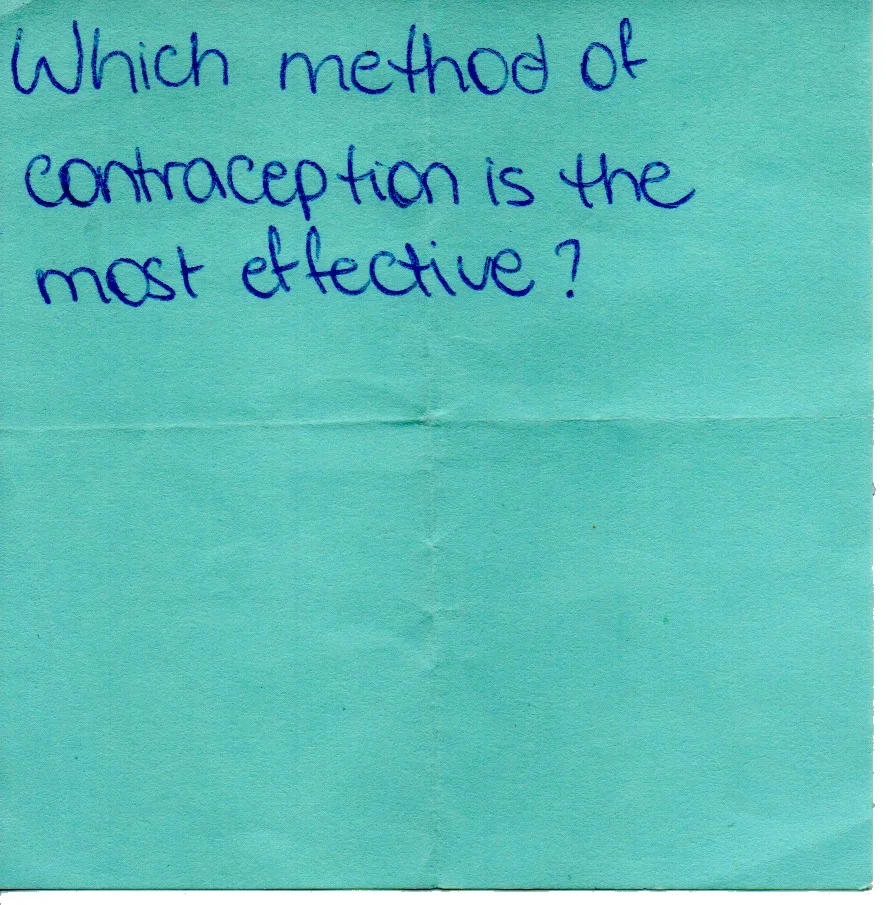
Which method of contraception is the most effective?
Read the answer -
 Contraception & Pregnancy
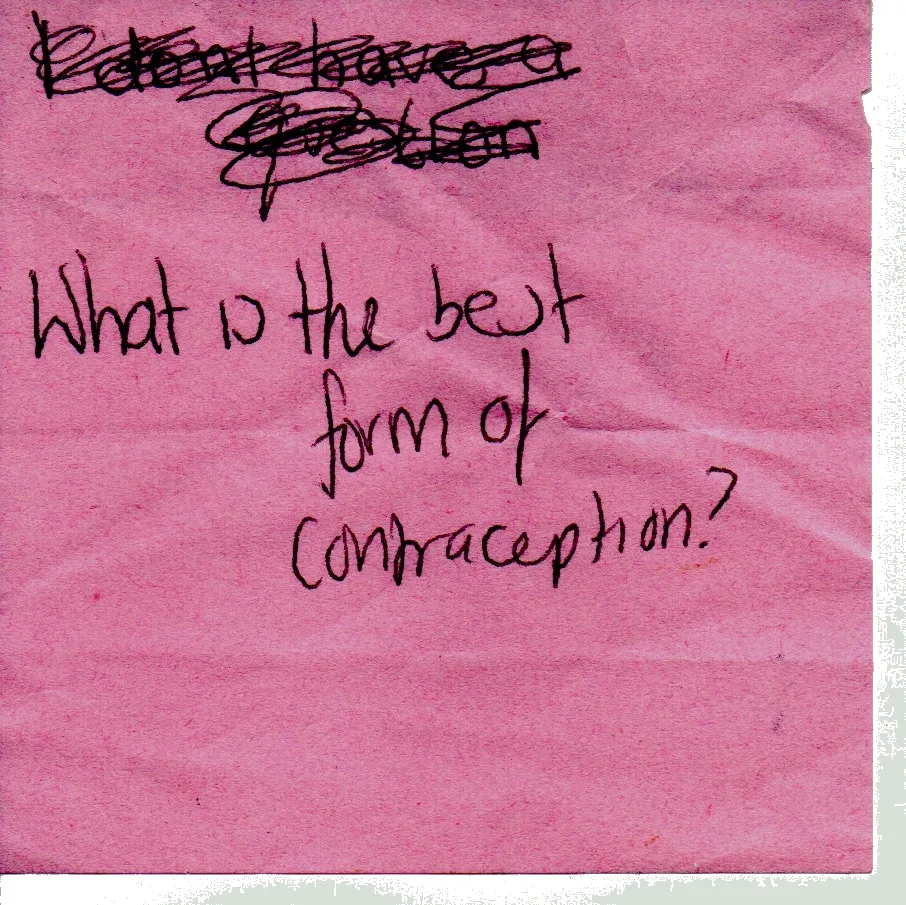
What is the best form of contraception?
Read the answer -
 Contraception & Pregnancy
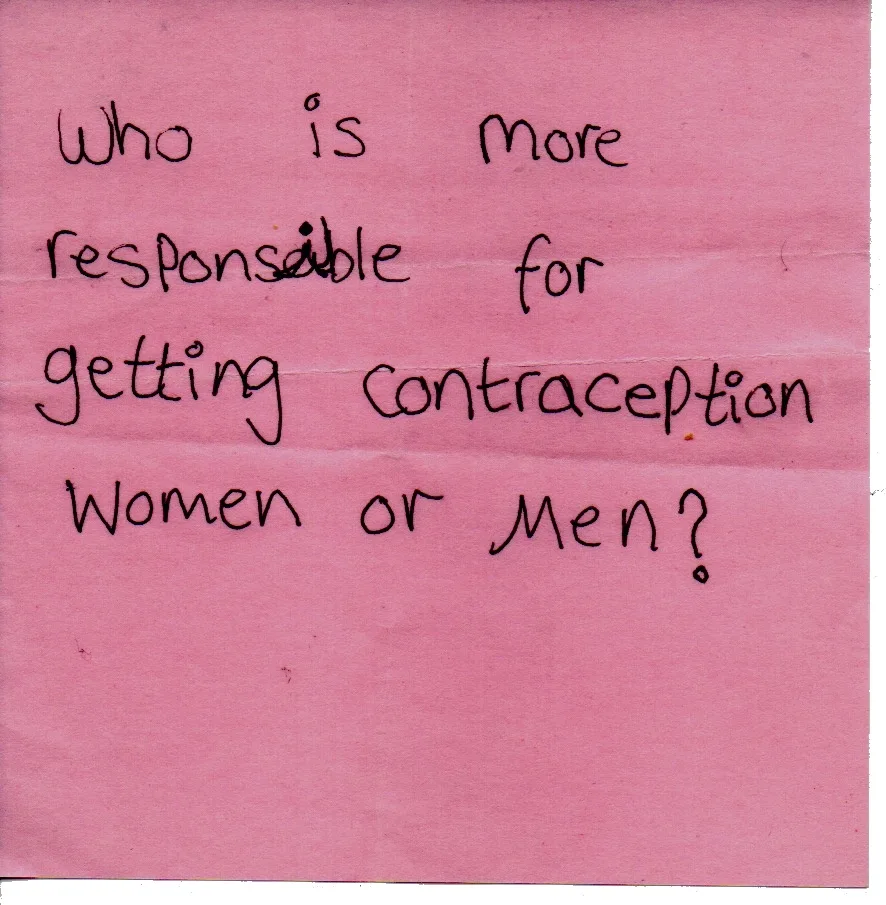
Who is more responsible for getting contraception women or men?
Read the answer -
 Contraception & Pregnancy
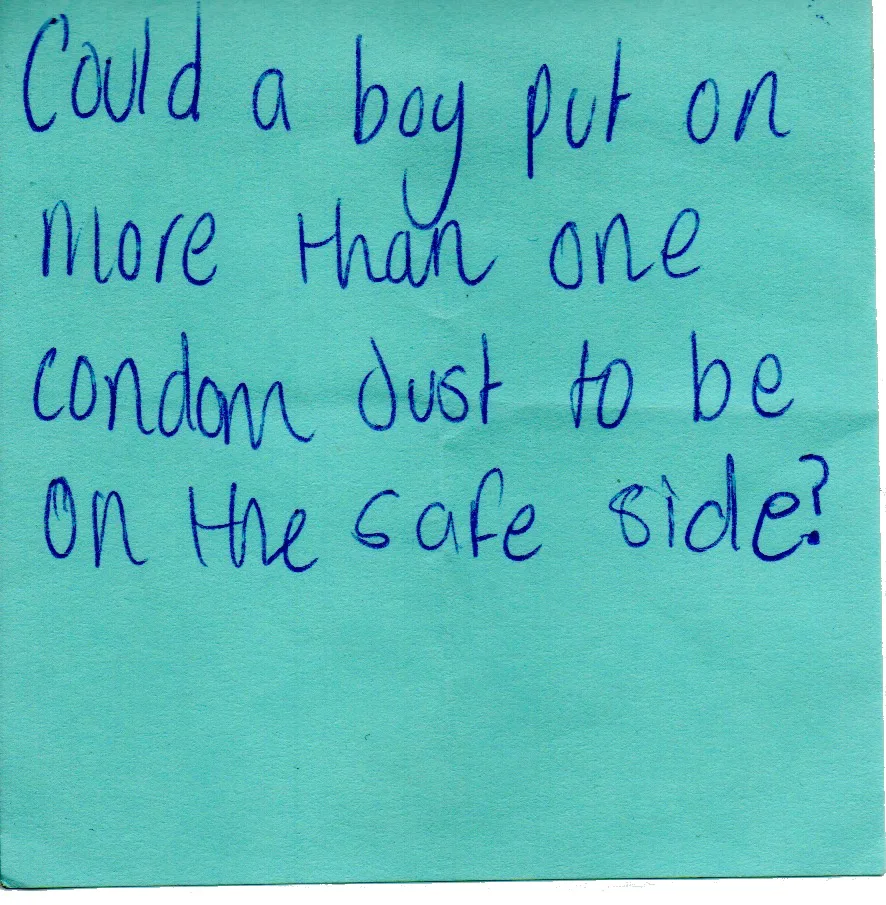
Can a boy put on more than one condom just to be on the safe side?
Read the answer -
 Sexual Health
Can you use a condom with a femidom?
Read the answer -
 Contraception & Pregnancy
How do you have sex without a condom and not get your girlfriend pregnant?
Read the answer
Need to talk to someone?
- ChildlineAny issue affecting under-19s. Abuse, bullying, mental health, relationships, sexual health.