
Implant
A small rod inserted under the skin of the upper arm that releases hormones to prevent pregnancy. Lasts 3 years.
The implant is a tiny plastic rod that goes under the skin of your upper arm. It releases hormones that stop pregnancy. It lasts up to 3 years and is over 99% effective.
The contraceptive implant is a tiny, flexible plastic rod (about the size of a matchstick) that's inserted under the skin of your upper arm. It slowly releases a hormone called progestogen, which prevents for up to 3 years. It's one of the most effective methods of available — over 99% effective — and once it's in, you don't have to think about it.
- The implant is a small rod inserted under the skin of the upper arm.
- It releases progestogen to prevent and thicken cervical mucus.
- Over 99% effective — one of the most reliable methods of contraception.
- Lasts up to 3 years, but can be removed at any time if you want to stop.
- It's free on the NHS and available to people of any age (including under-16s via the ).
[DIAGRAM: Diagram showing contraceptive implant placement in the upper arm, with cross-section showing position under skin]
How it works
The implant works in two main ways: it stops ovulation (so no is released), and it thickens the mucus at the , making it harder for to get through. Between these two mechanisms, it's extremely effective — fewer than 1 in 1,000 people using the implant will get over 3 years. [CHECK: current effectiveness stat]
The brand used in the UK is usually Nexplanon. It's inserted by a trained nurse or doctor using local anaesthetic — you'll feel a numbing but not the implant going in. The procedure takes a few minutes. You can usually feel the implant under your skin if you press on it, but it's not visible.
What it's like to have one
Once the implant is in, it works straight away (if fitted during the first 5 days of your ) or within 7 days. You don't need to remember to take anything — it just works in the background for up to 3 years.
The most common side effect is a change in your bleeding pattern. Some people's periods become lighter or stop altogether. Others get irregular bleeding or spotting, especially in the first few months. This is the most common reason people have the implant removed early — not because it's dangerous, but because unpredictable bleeding can be annoying.
Other possible side effects include headaches, mood changes, skin changes (like acne), and breast tenderness — but many people experience none of these. Side effects often settle down after the first few months.
Getting it and removing it
The implant is fitted and removed at a GP surgery, , or Brook service. Both procedures are quick — fitting takes a few minutes, removal takes about the same. Your arm might be bruised or sore for a few days afterwards.
If you want to get pregnant or switch to a different method, the implant can be removed at any time. returns quickly — you can get pregnant almost immediately after removal.
Things people get wrong
"You can see it sticking out of your arm." You can't see it, but you can feel it under the skin if you press. It's completely hidden.
"It hurts to have it put in." The area is numbed with local anaesthetic. You feel the numbing injection (a quick sting), but you shouldn't feel the implant being inserted.
"If your periods stop on the implant, that's bad." It's not. It just means the hormone is thinning the lining so there's nothing to shed. It's a common and harmless side effect. Your periods come back once the implant is removed.
"The implant can move around your body." This is extremely rare. In very rare cases, implants have migrated slightly within the arm, but they don't travel to other parts of the body. Your clinician checks the position when fitting it.
Things people ask about the implant
Will it affect my weight?
Some people gain a small amount of weight, but studies haven't shown the implant causes significant weight gain for most people. It's one of those concerns that's very common but not well supported by evidence.
Can I feel it during everyday activities?
You might feel it if you press on the area, but you shouldn't notice it during normal activities, exercise, or anything else. It's designed to sit comfortably under the skin.
What if I want it out before 3 years?
That's completely fine. You can have it removed whenever you want, for any reason. You don't have to keep it for the full 3 years.
Does it protect against ?
No. The implant only prevents pregnancy. You'd need to use as well for STI protection.
Where to get help
- Sexual health clinics — can fit and remove the implant, free and confidential.
- Your GP — can fit and remove the implant or refer you to someone who can.
- Brook — contraception services specifically for under-25s.
The contraceptive implant is a very small, thin plastic rod — about the size of a matchstick. A doctor or nurse puts it under the skin of your upper arm. Once it's in, it slowly releases a hormone that stops your body from releasing an each month. No egg means no .
It's one of the most effective types of birth control there is. Fewer than 1 in 1,000 people using it will get over three years. And you don't have to remember to do anything once it's in. It just works.
Putting it in takes a few minutes. The area is numbed first so you don't feel the rod going in. You can feel it under the skin if you press, but you can't see it.
The most common side effect is changes to your . Some people's periods get lighter or stop. Others get irregular bleeding, especially at first. This isn't harmful, but it can be annoying.
If you want it out at any point, a doctor or nurse can remove it quickly. Your ability to get pregnant comes back almost straight away.
The implant is free on the NHS. You can get it at any age. It does not protect against infections passed on through sex — you'd need to use for that.
Related terms
Questions about this
-
 Contraception & Pregnancy
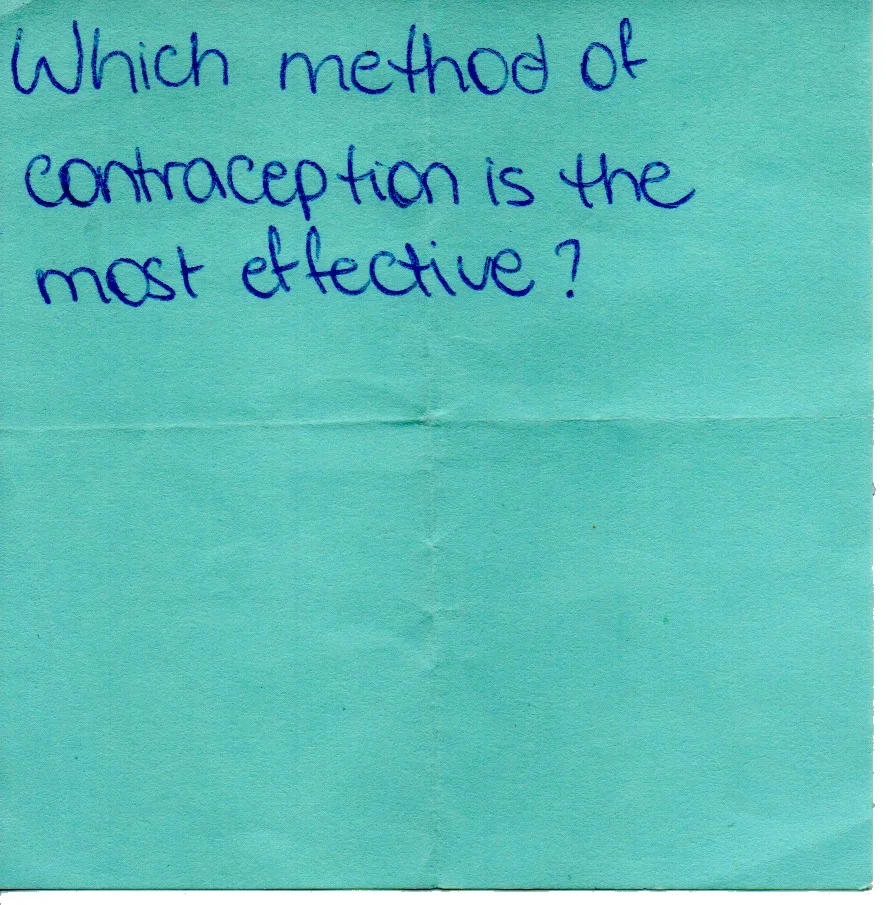
Which method of contraception is the most effective?
Read the answer -
 Contraception & Pregnancy
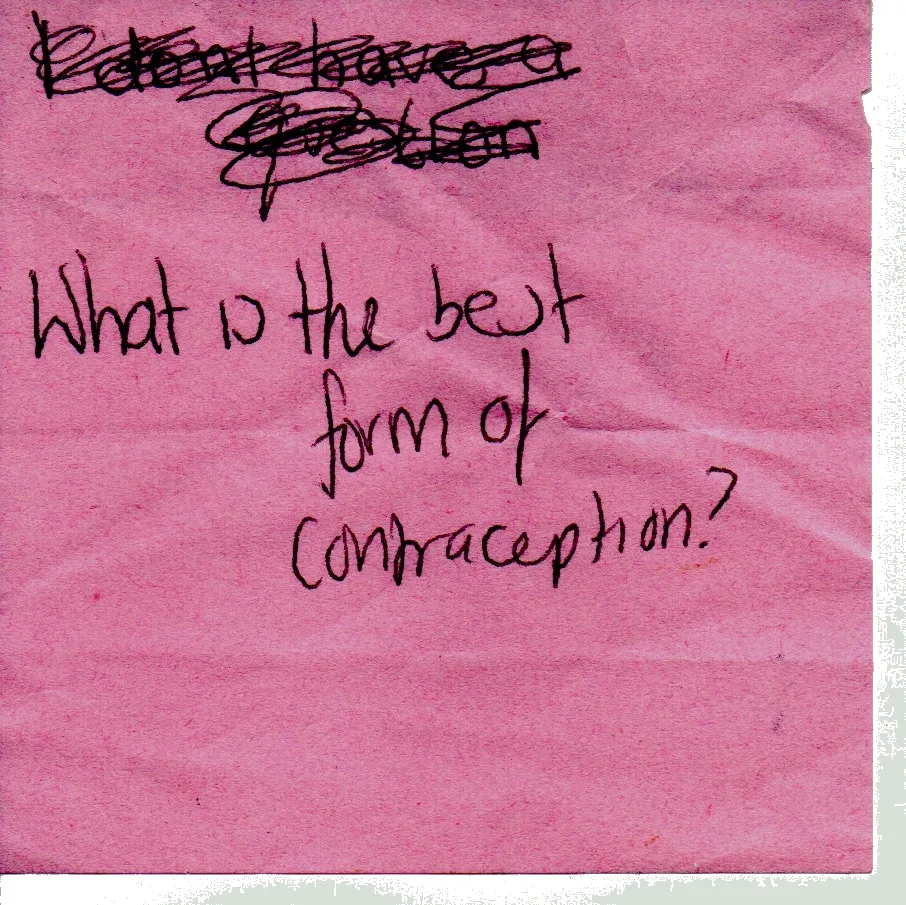
What is the best form of contraception?
Read the answer -
 Contraception & Pregnancy
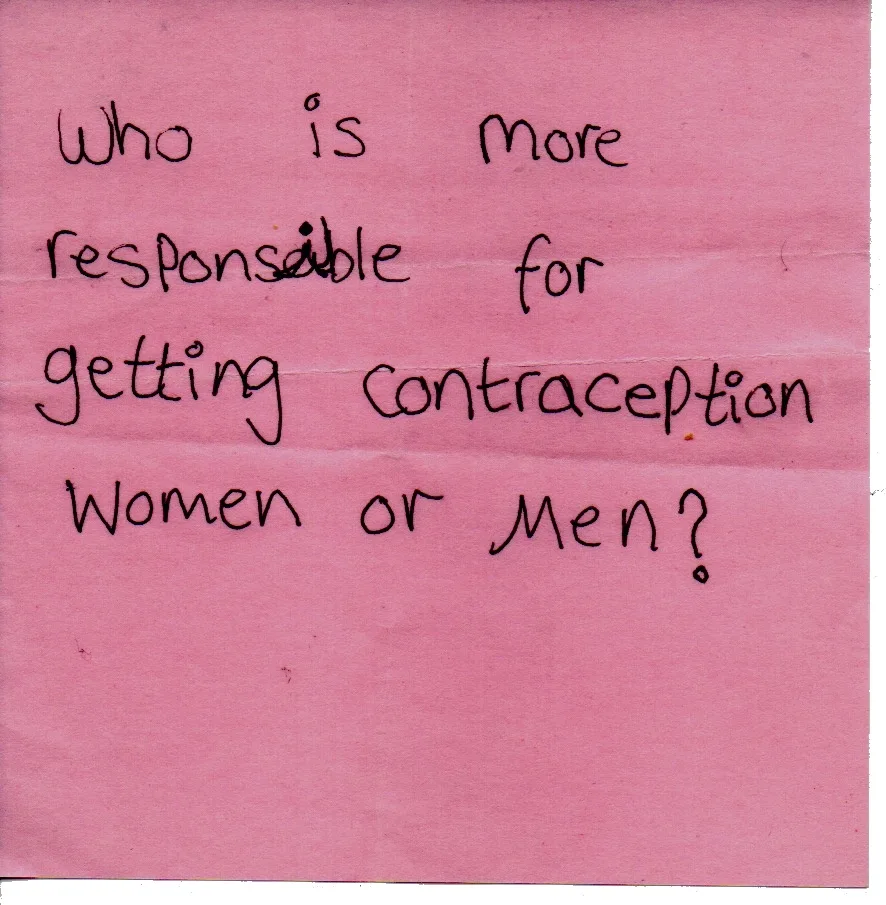
Who is more responsible for getting contraception women or men?
Read the answer -
 Contraception & Pregnancy
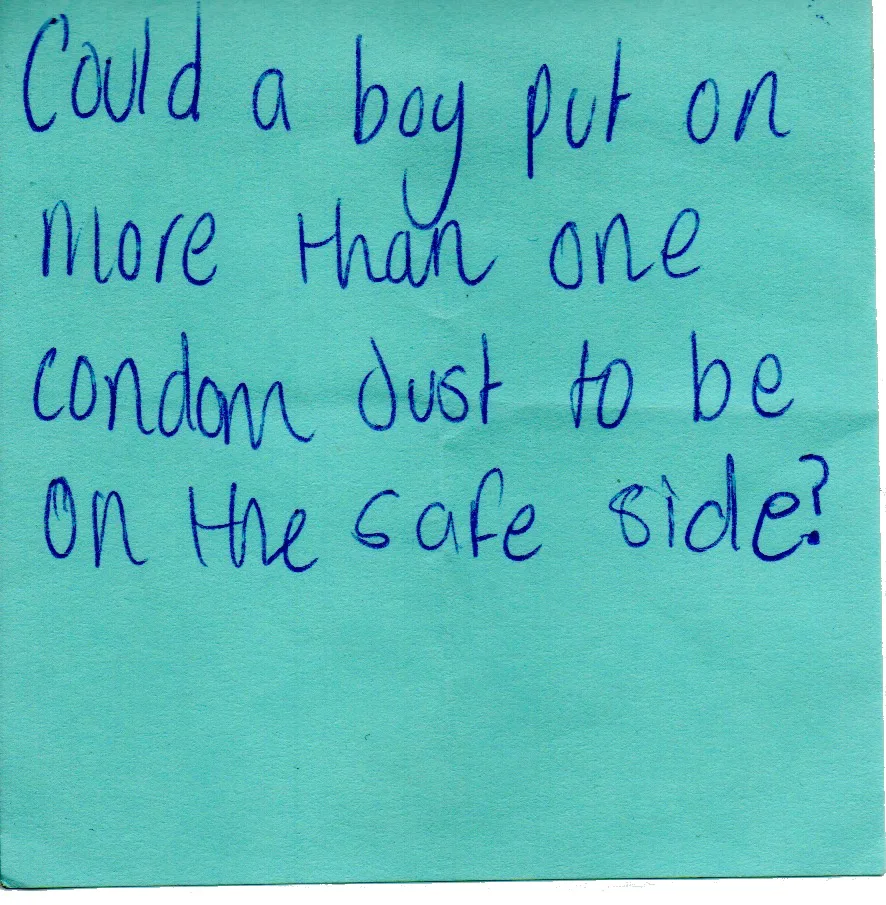
Can a boy put on more than one condom just to be on the safe side?
Read the answer -
 Sexual Health
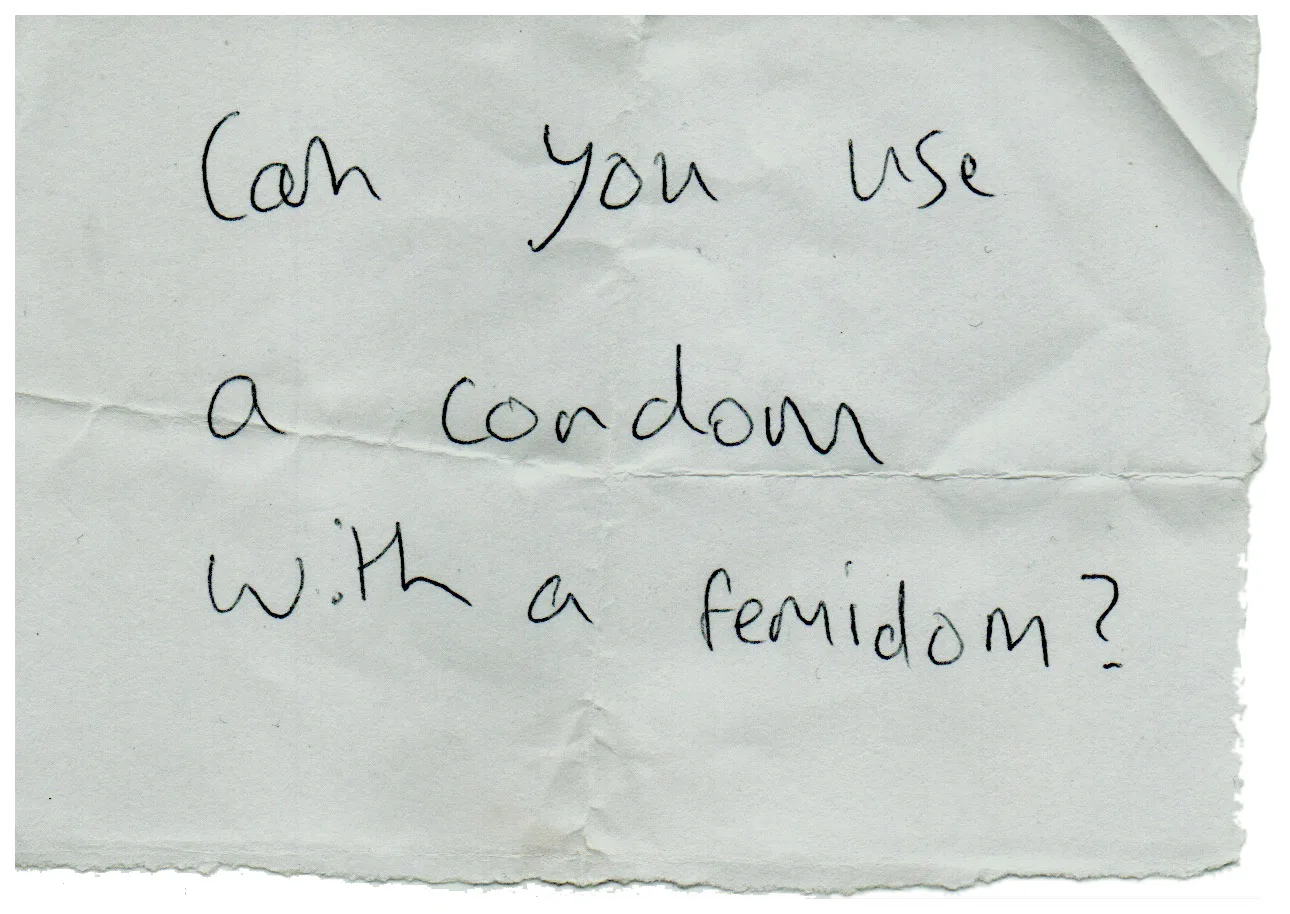
Can you use a condom with a femidom?
Read the answer -
 Contraception & Pregnancy
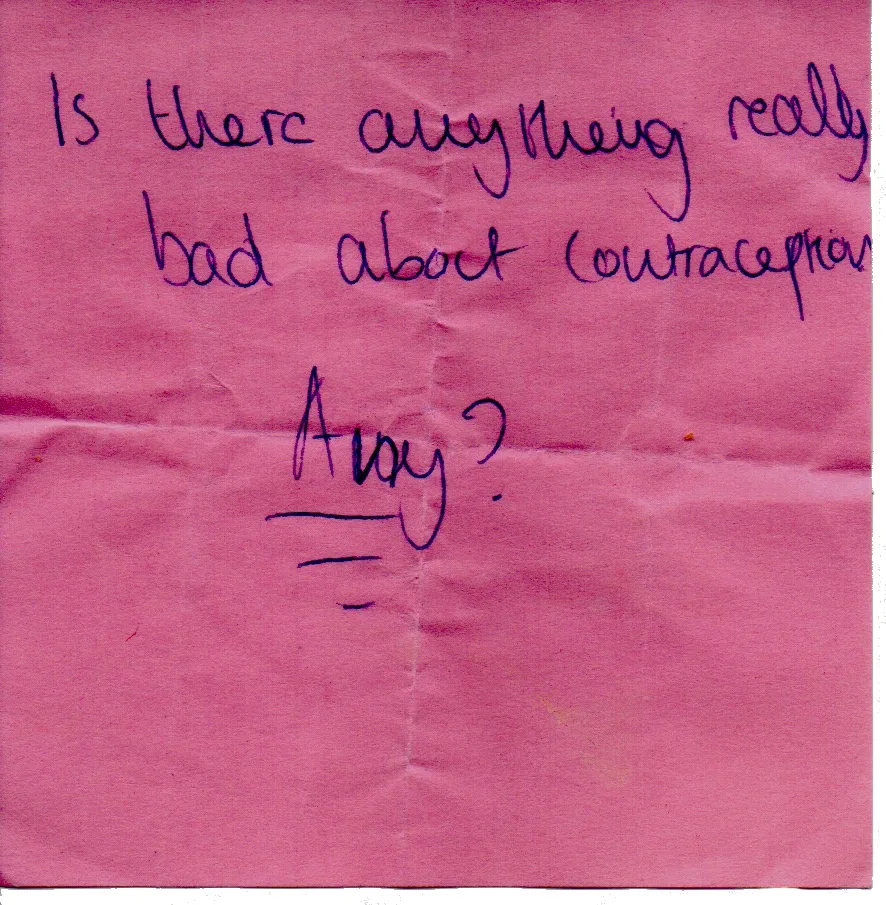
Is there anything really bad about contraception?
Read the answer
Need to talk to someone?
- ChildlineAny issue affecting under-19s. Abuse, bullying, mental health, relationships, sexual health.