
Condom
A thin cover worn on the penis during sex. The only contraception that also protects against STIs.
A condom is a thin cover that goes over a penis during sex. It stops sperm getting into the other person's body. It's the only type of birth control that also helps protect against infections.
A condom (sometimes called an external condom) is a thin covering that goes over the during sex. It catches so it doesn't enter the other person's body. Condoms are the only type of that protects against both and .
- Condoms are the only contraception that also protects against STIs.
- When used correctly every time, they're about 98% effective at preventing pregnancy. In real-world use, it's more like 82%. [CHECK: latest NHS effectiveness figures]
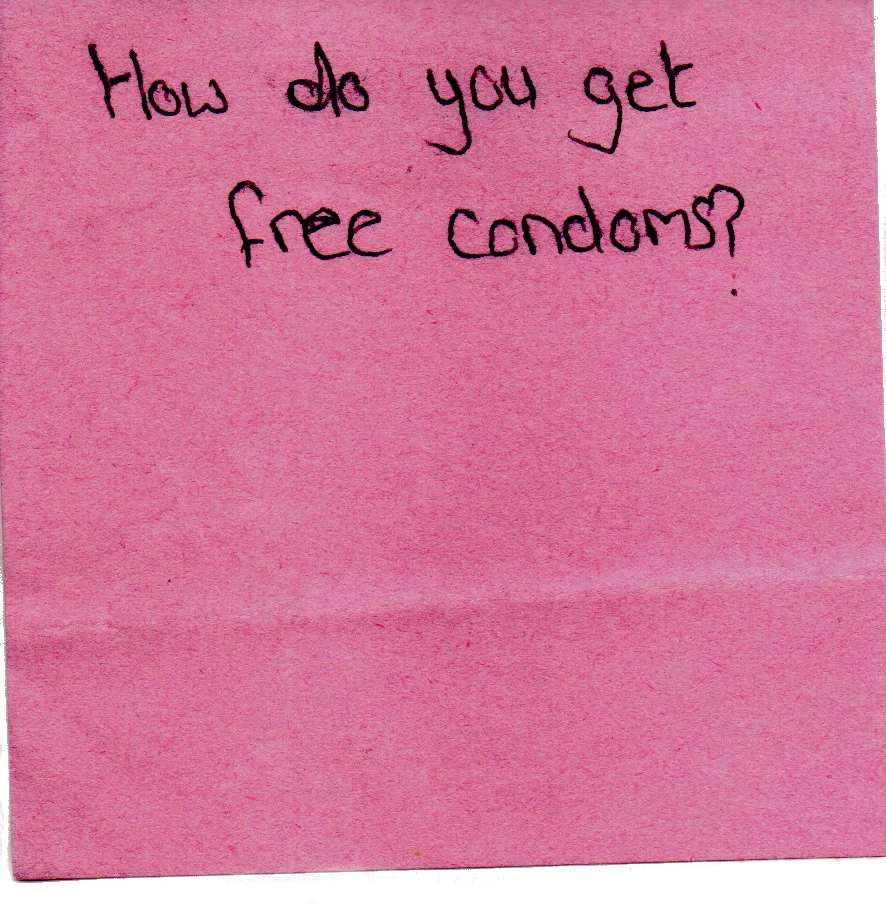
- They're free from , some GPs, and Brook services. You can also buy them in shops and pharmacies.
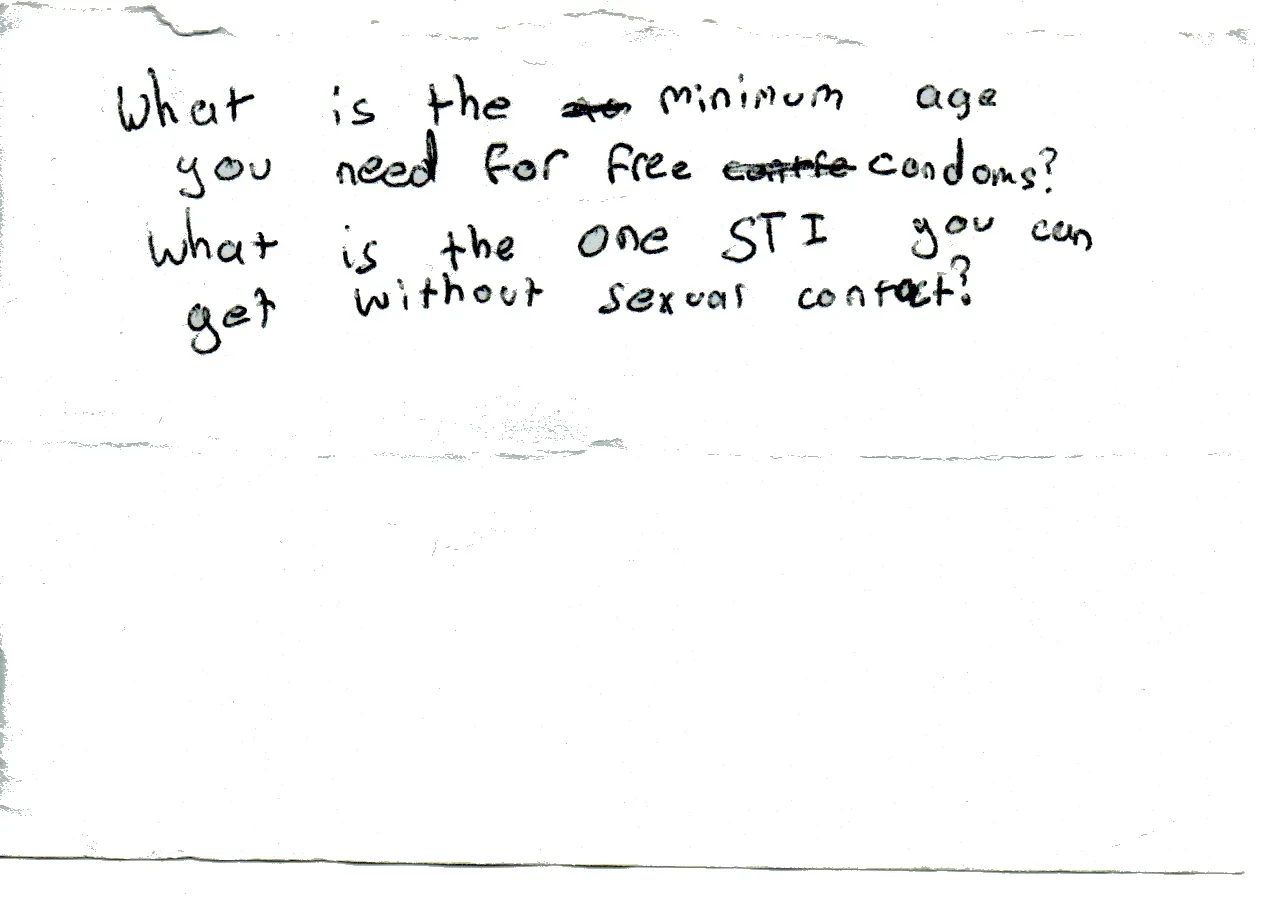
- You don't need to be a certain age to get condoms.
- There are also internal condoms (sometimes called female condoms) that go inside the .
How to use one
Using a condom properly makes a big difference to how well it works.
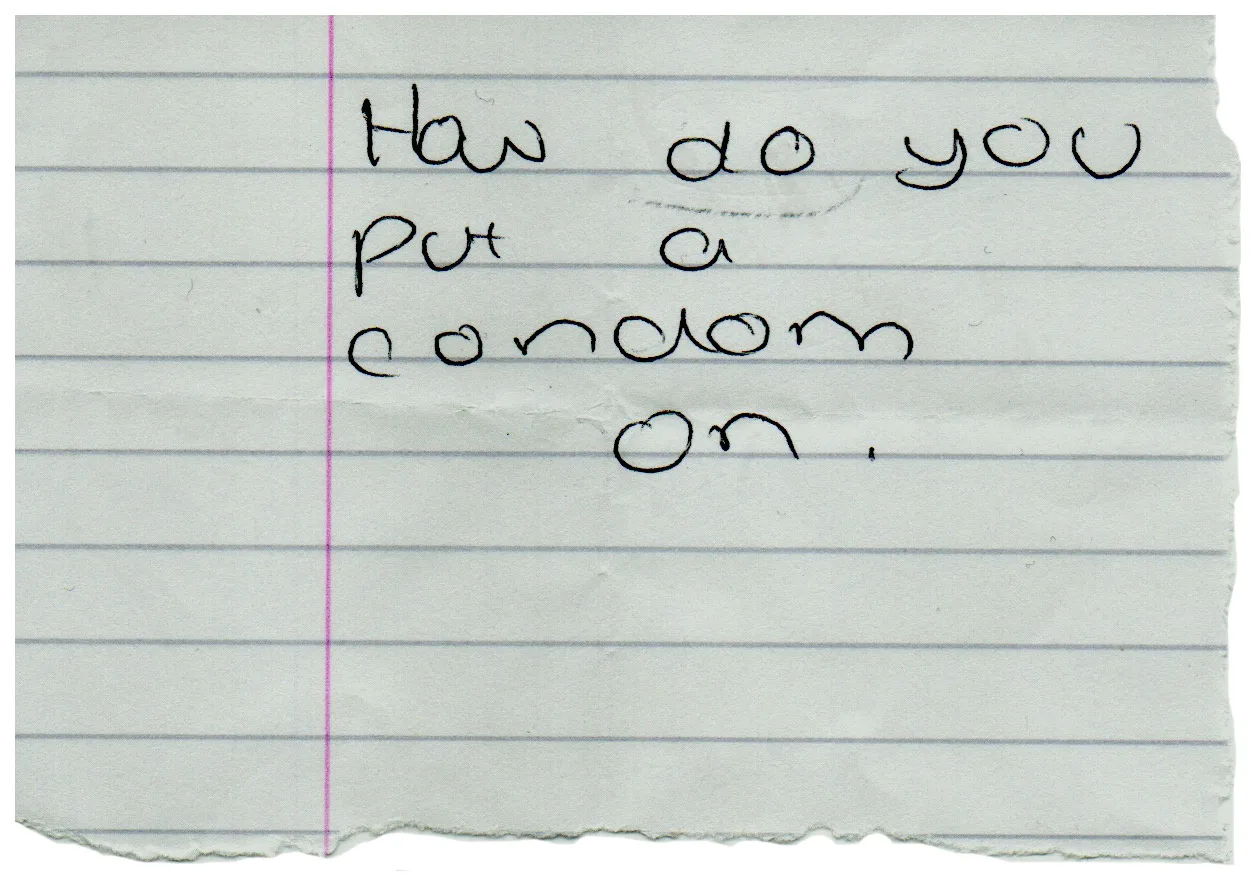
[DIAGRAM: Step-by-step diagram showing correct condom use (check date, open carefully, pinch tip, roll down, remove and dispose)]
The basics:
- Check the date — condoms have an expiry date. Using an old one increases the risk of it breaking.
- Open carefully — tear the packet at the corner. Don't use your teeth, scissors, or anything sharp.
- Check which way it rolls — the condom should roll down easily. If it doesn't, it's inside out. Use a new one (the tip might already have on it).
- Pinch the tip — squeeze the air out of the tip (the reservoir) while you roll it down. Air trapped inside can make it more likely to burst.
- Roll it all the way down — the condom should cover the entire shaft of the erect penis.
- After — hold the base of the condom while , so it doesn't slip off. Remove it, tie a knot in it, and bin it. Never flush condoms.
A new condom is needed every time — you can't reuse them, and you should use a new one if switching between vaginal, anal, or .
What type to use
Most condoms are made of latex. If someone has a latex allergy, non-latex condoms are available (made of polyurethane or polyisoprene). Condoms come in different sizes — using the right fit matters because one that's too tight is more likely to break, and one that's too loose can slip off.
Only use water-based or silicone-based lube with latex condoms. Oil-based products (like Vaseline, coconut oil, or some moisturisers) weaken latex and can cause the condom to break.
Where to get them
You don't need to be a certain age to buy or get condoms. They're available:
- Free from sexual health clinics, some GP surgeries, and Brook services for under-25s. Some areas also have where you can pick them up from youth centres, pharmacies, and other locations.
- To buy in pharmacies, supermarkets, petrol stations, and online.
Look for the BSI kitemark or CE mark on the packet — this means they've been tested and meet safety standards.
Things people get wrong
"Condoms ruin the feeling." Modern condoms are very thin. Some people notice a difference, some don't. Either way, there are ultra-thin options, and the protection they provide is worth it.
"Two condoms are safer than one." The opposite — using two at once creates friction between them and makes them more likely to break. One condom, used correctly, is what works.
"You don't need a condom for oral sex." STIs can be passed through oral sex. Using a condom (or a for oral sex on a ) reduces that risk.
"If someone is on , you don't need a condom." The pill prevents pregnancy but doesn't protect against STIs. Using both gives you protection against both — sometimes called "dual protection."
Things people ask about condoms
What if a condom breaks?
If a condom breaks during sex and there's a risk of pregnancy, (the morning-after pill) is available from pharmacies, GPs, and sexual health clinics — ideally within 24 hours, but it can work up to 72 hours (or 120 hours for EllaOne). If you're worried about STI exposure, a sexual health clinic can advise.
Is it awkward to buy condoms?
It can feel a bit weird the first time, but it's a completely ordinary thing to buy. Self-checkout exists. Or you can get them free from a clinic, where nobody will bat an eyelid.
What if my partner doesn't want to use one?
You have the right to insist on condom use. If someone pressures you not to use a condom, that's not respecting your . In the UK, removing a condom during sex without (sometimes called "stealthing") is considered a form of sexual assault. [CHECK: current UK legal position on stealthing]
Can condoms be used for ?
Yes, and they should be — anal sex carries a higher STI risk. Use plenty of lube alongside the condom, since the doesn't produce its own lubrication.
Where to get help
- Sexual health clinics (GUM clinics) — free condoms, advice, and STI testing. No appointment needed at many clinics.
- Brook — free condoms and sexual health services for under-25s.
- Pharmacies — for emergency contraception if a condom breaks.
A condom is a thin, stretchy cover that fits over a hard during sex. It catches the liquid that comes out when someone finishes, so it doesn't go into the other person's body. This helps stop and also helps protect against infections you can catch from sex.
To use one, you check it's not out of date, open the packet carefully, squeeze the air out of the tip, and roll it all the way down. After sex, you hold the base while so it doesn't slip off. Then you throw it in the bin. You need a new one every time.
Condoms come in different sizes. Using the right size matters — too tight and it might break, too loose and it might come off. Most are made of a material called latex. If someone is allergic to latex, there are other types.
Only use water-based or silicone-based slippery gel with condoms. Oily things like Vaseline can make them break.
You can get condoms for free from and some doctors' surgeries. You can also buy them in shops. There's no age limit for getting condoms.
If a condom breaks during sex, there's a pill you can take afterwards to help stop pregnancy. You can get it from a pharmacy or clinic.
Related terms
Questions about this
-
 Contraception & Pregnancy
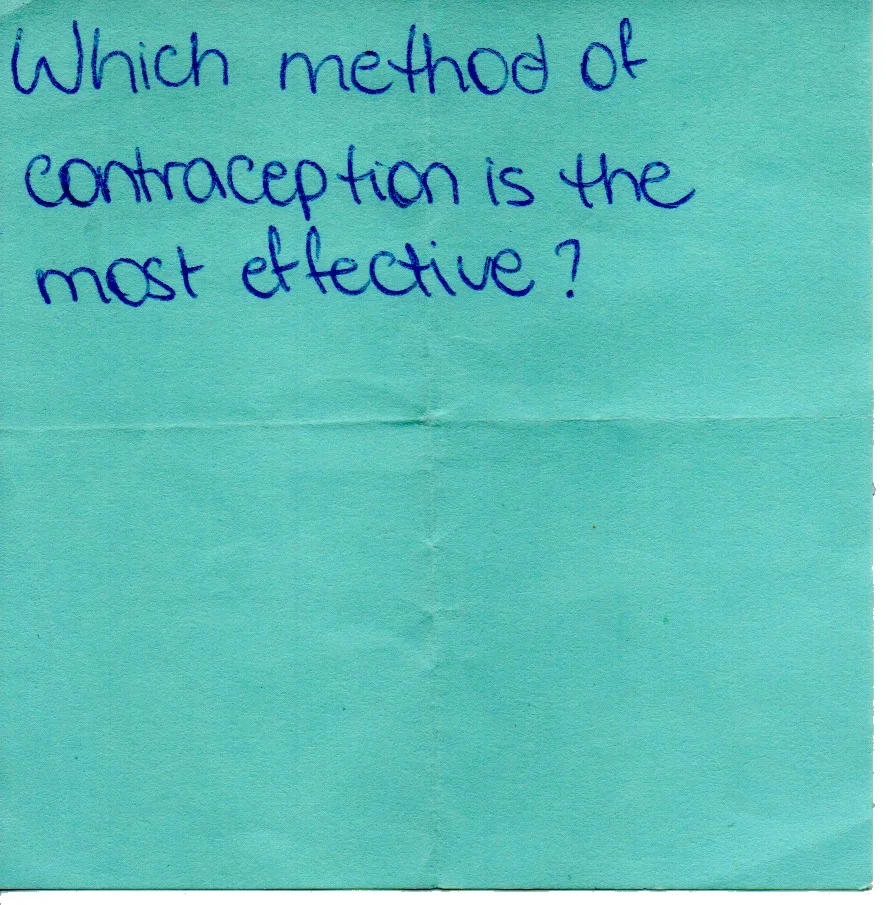
Which method of contraception is the most effective?
Read the answer -
 Contraception & Pregnancy
What is the minimum age you need for free condoms?
Read the answer -
 Sex
SexWhat is oral sex?
Read the answer -
 Contraception & Pregnancy
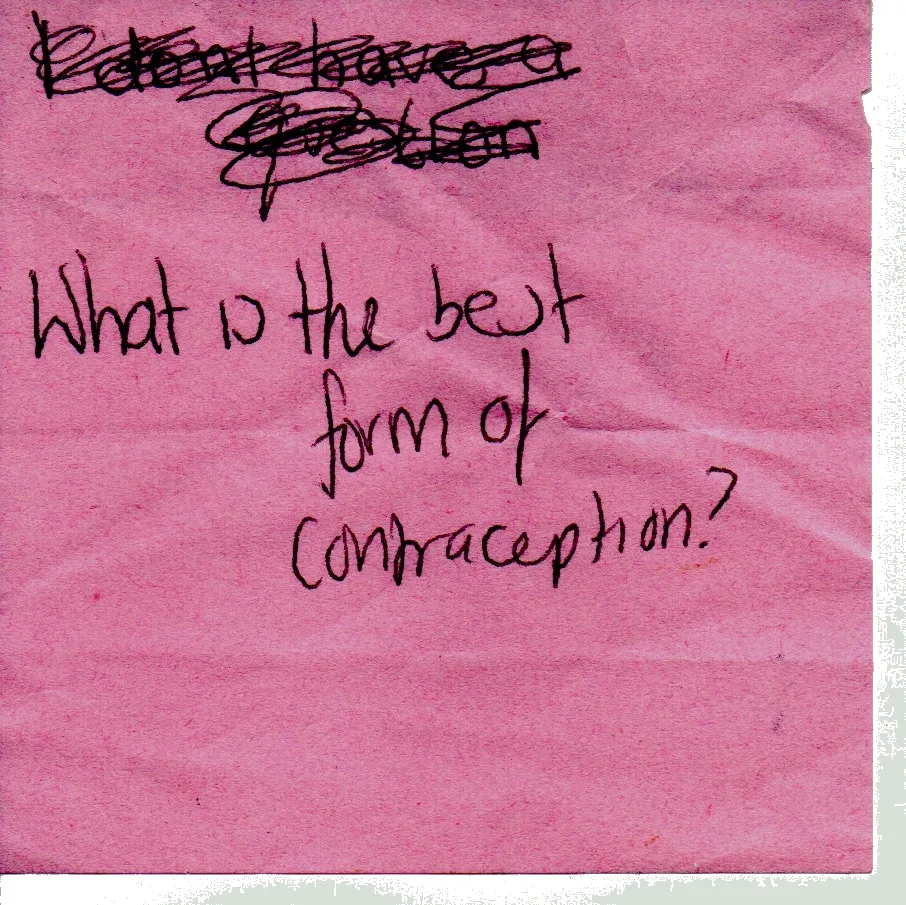
What is the best form of contraception?
Read the answer -
 Contraception & Pregnancy
How do get free condoms?
Read the answer -
 Contraception & Pregnancy
How do you put a condom on?
Read the answer
Need to talk to someone?
- ChildlineAny issue affecting under-19s. Abuse, bullying, mental health, relationships, sexual health.