
STI
Sexually transmitted infection. An infection passed between people through sexual contact. Some are curable, some are manageable.
STI stands for sexually transmitted infection. It's an infection you can catch from having sex with someone who has one. Some can be cured with medicine. Others stay in the body but can be managed. Many have no signs at all.
STI stands for sexually transmitted infection — an infection passed from one person to another through sexual contact. This includes vaginal, anal, and , as well as skin-to-skin genital contact and sharing . Some STIs are caused by bacteria (and can be cured with antibiotics), some by viruses (which can be managed but not always cured), and some by parasites. Many STIs have no symptoms, which is why testing matters even if you feel fine.
- STI stands for sexually transmitted infection. You might also hear "STD" (sexually transmitted disease), but "STI" is the preferred term because many infections don't cause symptoms or "disease."
- Common STIs include , , , , , , and .
- Many STIs have no symptoms — you can have one and pass it on without knowing.
- are the best protection against most STIs during sex. Regular testing catches what condoms miss.
- STI testing is free, confidential, and available at across the UK.
[DIAGRAM: Infographic showing common STIs at a glance — name, key symptoms, how it spreads, whether curable or treatable]
The main types
Bacterial STIs — caused by bacteria, curable with antibiotics:
- Chlamydia — the most common in the UK, often no symptoms
- Gonorrhoea — increasingly antibiotic-resistant, can infect the throat and rectum
- Syphilis — less common but rising, progresses through stages if untreated
Viral STIs — caused by viruses, manageable but not always curable:
- HIV — attacks the immune system, managed with daily medication (ART), U=U
- Herpes (HSV) — causes sores, stays in the body, manageable with antivirals
- HPV — extremely common, most clear naturally, some strains cause warts or cancer, vaccine available
- — affects the liver, vaccine available
Parasitic STIs:
- Trichomoniasis — caused by a tiny parasite, curable with antibiotics
- — tiny insects, treatable with medicated lotion
Each of these has its own glossary entry with more detail.
How they spread
STIs are passed on through:
- Vaginal, anal, or oral sex
- Skin-to-skin genital contact (for herpes, HPV, syphilis)
- Sharing sex toys without cleaning or covering them
- Blood-to-blood contact (HIV, hepatitis B)
- From mother to baby during or birth (some STIs)
You can't catch STIs from toilet seats, sharing food, hugging, or swimming pools.
Why testing matters
The biggest thing about STIs is that many have no symptoms. Chlamydia is symptomless in about 70% of people with a . Gonorrhoea in the throat is almost always symptomless. HPV rarely causes visible signs. HIV can take years to show symptoms.
This means you can have an STI, feel completely fine, and pass it to someone else without either of you knowing. The only reliable way to know your status is to get tested. If you're sexually active, regular testing is one of the most responsible things you can do — for yourself and your partners.
Getting tested
Testing is free at sexual health clinics, and in many areas you can order a postal kit to do at home. Most tests involve a urine sample or a self-taken swab — quick, painless, and private. Blood tests are used for HIV, syphilis, and hepatitis B. Results usually come back within a couple of weeks.
If you've had oral sex, ask for a throat swab — standard tests don't always include one.
Things people get wrong
"I'd know if I had an STI." Probably not. Most STIs are most of the time.
"Only certain types of people get STIs." STIs don't discriminate. Anyone who's sexually active can get one, regardless of how many partners they've had.
"STIs are a sign of being irresponsible." They're a sign of being sexually active. Getting tested and treated is the responsible part.
"Condoms prevent all STIs." Condoms are very effective for most STIs, but some (herpes, HPV, syphilis) spread through skin contact in areas condoms don't cover. Condoms reduce the risk significantly but don't eliminate it completely.
Things people ask about STIs
How often should I get tested?
A good rule: with each new sexual partner, if a condom has broken, and at least once a year if you're sexually active. Some people test more frequently depending on their situation.
Do I have to tell my partner if I have an STI?
Yes — they need to know so they can get tested and treated, and so they can make informed decisions about sex. Clinics can help with this, including sending anonymous notifications.
Can STIs go away on their own?
Some can — HPV often clears naturally, and the body occasionally clears chlamydia. But relying on this is risky. Untreated bacterial STIs can cause serious complications including problems. Get tested, get treated.
Is there still a stigma around STIs?
Unfortunately, yes. But STIs are incredibly common, mostly treatable, and nothing to be ashamed of. The stigma stops people from testing and talking about it — which makes the problem worse, not better.
Where to get help
- Sexual health clinics (GUM clinics) — free testing, treatment, and advice. No GP referral needed.
- SH:24 / Fettle — free postal STI testing kits in some areas. [CHECK: current availability]
- Brook — sexual health services for under-25s.
- Your GP — can also arrange testing and treatment.
STI stands for sexually transmitted infection. It means an infection that passes from one person to another during sex. You might also hear the older term STD (sexually transmitted disease), but STI is the word most people use now.
Common STIs include , , , , , and . Some are caused by bacteria and can be cured with antibiotics. Others are caused by viruses and stay in the body, but can be managed with medicine.
The tricky thing about STIs is that many have no signs at all. You can have one, feel completely fine, and pass it on without knowing. That's why getting tested matters, even if you feel healthy.
are the best way to lower the risk during sex. But some infections spread through skin touching skin in areas a condom doesn't cover, so condoms lower the risk a lot but don't remove it completely.
Testing is free, quick, and private. You can go to a without an appointment. Most tests are just a wee sample or a swab. In many areas you can order a test kit to do at home.
Anyone who has sex can catch an STI. It doesn't say anything about who you are as a person. Getting tested and treated is the responsible thing to do.
Related terms
Questions about this
-
 Sexual Health
Can an STI go away if you have it?
Read the answer -
 Contraception & Pregnancy
Which method of contraception is the most effective?
Read the answer -
 Contraception & Pregnancy
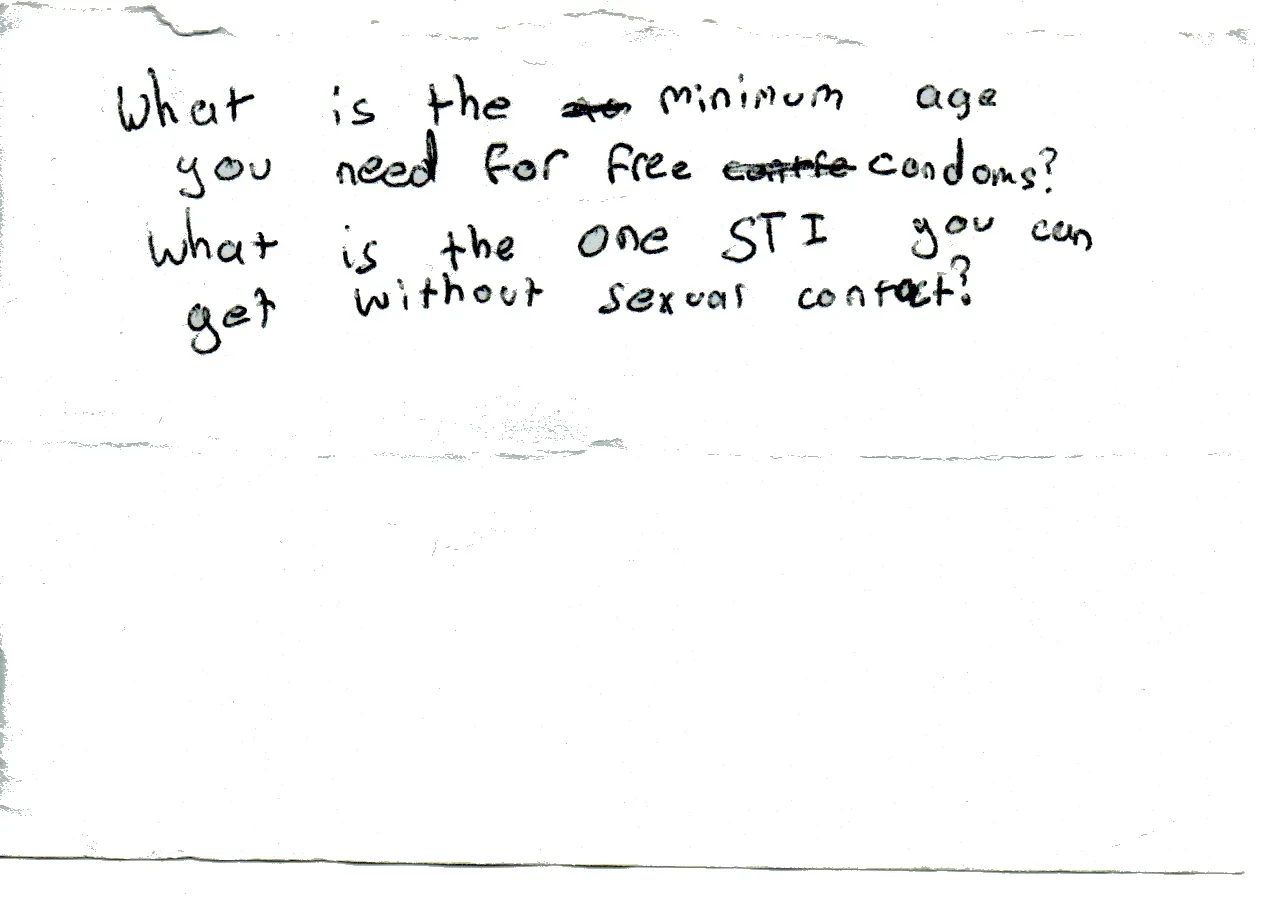
What is the minimum age you need for free condoms?
Read the answer -
 Sex
SexWhat is oral sex?
Read the answer -
 Contraception & Pregnancy
What is the best form of contraception?
Read the answer -
 Sex
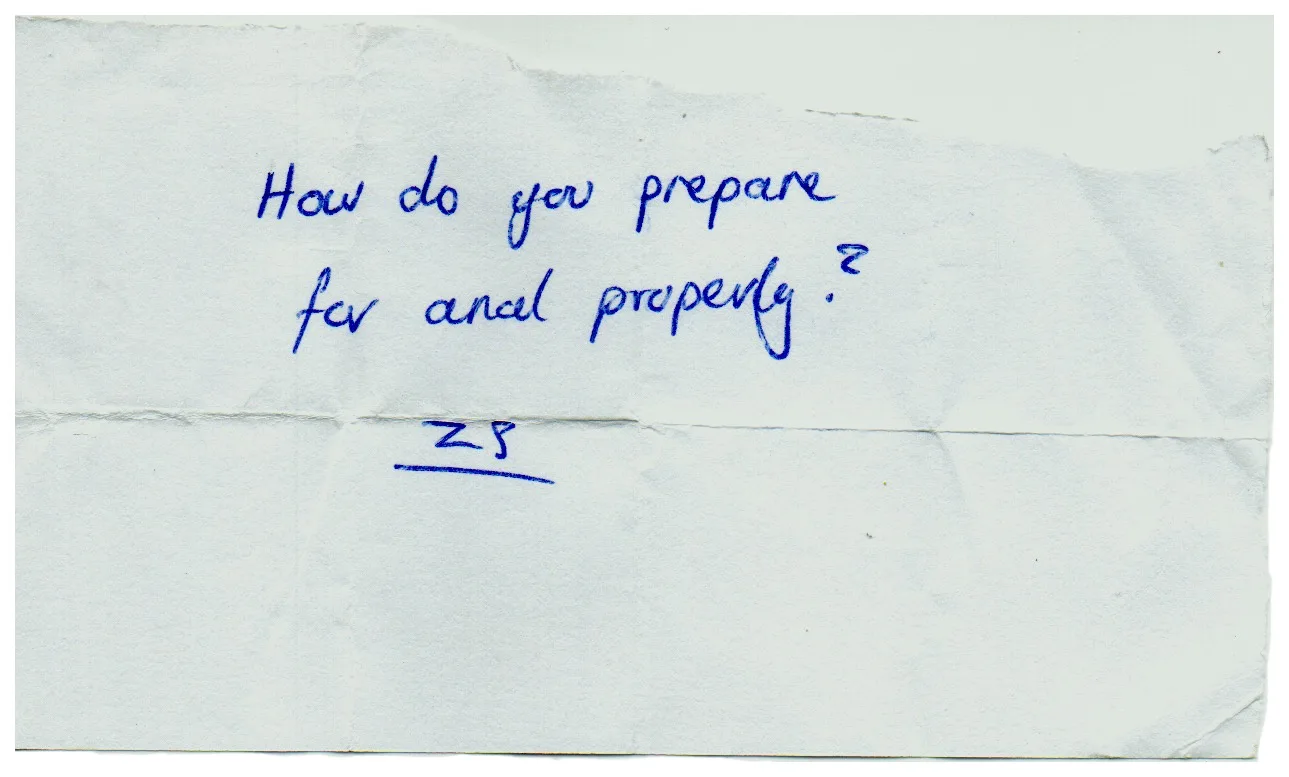
SexHow do you prepare for anal properly?
Read the answer
Need to talk to someone?
- ChildlineAny issue affecting under-19s. Abuse, bullying, mental health, relationships, sexual health.