
Chlamydia
The most common bacterial STI in the UK. Often has no symptoms. Cured easily with antibiotics.
Chlamydia is an infection you can get from having sex. It's the most common one in the UK. Most people who have it don't feel ill at all. It's easy to test for and easy to cure with medicine.
Chlamydia is a bacterial infection passed on through sex. It's the most common in the UK, especially among young people. The tricky thing about chlamydia is that most people who have it don't get any symptoms — so you can have it and pass it on without knowing.
- Chlamydia is the most common STI in the UK — it's especially common in under-25s.
- Most people with chlamydia have no symptoms at all.
- Testing is quick and easy — usually just a urine sample or a swab.
- It's cured with a short course of antibiotics.
- If left untreated, it can cause serious problems including issues.
How you get it
Chlamydia is passed on through unprotected vaginal, anal, or with someone who has it. It can also be passed on by sharing that haven't been washed or covered with a new between uses. You can't catch it from kissing, hugging, sharing towels, or using the same toilet.
Using condoms every time you have sex significantly reduces the risk. But because chlamydia is so common and so often has no symptoms, regular testing is the best way to stay on top of it if you're sexually active.
Symptoms (when they show up)
Most people with chlamydia don't notice anything — around 70% of people with a and 50% of people with a have no symptoms. When symptoms do appear, they might include:
- Unusual from the vagina, penis, or
- Pain or burning when you pee
- Pain in the lower belly (for people with a )
- Pain or swelling in the (for people with a penis)
- Bleeding between or after sex
Symptoms can take weeks to show up, or they might never appear at all. That's why waiting for symptoms before getting tested doesn't work — the infection can be there doing damage without you feeling a thing.
Why it matters if it's untreated
If chlamydia isn't treated, it can lead to more serious problems. In people with a uterus, it can cause pelvic inflammatory disease (PID), which can damage the and lead to fertility problems or ectopic pregnancies. In people with a penis, it can cause epididymitis (painful swelling in the tubes next to the testicles), which can also affect fertility in rare cases.
The good news is that all of this is avoidable. A simple test catches it, and a short course of antibiotics clears it up.
Getting tested
Testing for chlamydia is straightforward. It's usually a urine sample (you pee in a pot) or a swab — you can often do the swab yourself. Results come back within a couple of weeks, sometimes faster.
In the UK, you can get tested for free at:
- (GUM clinics)
- Your GP
- Some pharmacies
- Online — free postal test kits are available through the NHS in many areas
If you're under 25, the NHS National Chlamydia Screening Programme means you can get tested easily and often — it's specifically set up for your age group.
Things people get wrong
"I'd know if I had it." Probably not. Most people with chlamydia have zero symptoms. The only way to know is to test.
"It's a big deal to have an STI." Chlamydia is incredibly common and very treatable. Having it doesn't mean you've done something wrong — it means you've been sexually active and a bacteria got passed on. That's it.
"You can only get it from penetrative sex." Chlamydia can also be passed through oral sex and through sharing sex toys, though these are less common routes.
Things people ask about chlamydia
Can chlamydia go away on its own?
Sometimes the body can clear it, but you shouldn't count on that — untreated chlamydia risks serious complications. Antibiotics clear it quickly and reliably.
Do I have to tell my partner?
If you test positive, your recent sexual partners need to know so they can get tested and treated too. The clinic can help with this — including sending anonymous notifications if you don't want to do it directly.
Can I get chlamydia again after being treated?
Yes. Being treated doesn't make you immune. If you have sex with someone who has it, you can catch it again. That's why regular testing and condoms both matter.
How soon after sex should I get tested?
Chlamydia can take up to two weeks to show up on a test. If you test too early, you might get a false negative. Two weeks after the potential exposure is usually the advice, though a clinic can tell you what's best for your situation.
Where to get help
- Sexual health clinics (GUM clinics) — free, confidential testing and treatment. No GP referral needed.
- SH:24 / Fettle — free NHS-funded postal STI testing kits you do at home. [CHECK: regional availability]
- Brook — sexual health services and advice for under-25s.
Chlamydia is an infection caused by bacteria. You can catch it by having sex with someone who has it. It's the most common sexually passed infection in the UK, and it's especially common in young people.
The tricky thing is that most people with chlamydia don't feel anything at all. You can have it without knowing. That's why getting tested is so important, even if you feel fine.
Some people do get signs, like pain when they wee, unusual stuff coming from between their legs, or tummy pain. But most people get no signs at all.
If chlamydia isn't treated, it can cause serious problems inside the body over time, especially with being able to have babies later in life. But the good news is it's very easy to fix. You take antibiotics for a few days and it's gone.
Getting tested is simple. You usually just wee in a pot or do a swab yourself. It's free at , your doctor, and sometimes through home testing kits sent in the post.
Using helps stop it spreading. If you find out you have it, the people you've had sex with need to know so they can get tested too. The clinic can help with that.
Related terms
Questions about this
-
 Sexual Health
Can an STI go away if you have it?
Read the answer -
 Sex
SexWhat is oral sex?
Read the answer -
 Contraception & Pregnancy
How do you know if you're unable to have children?
Read the answer -
 Sexual Health
I don't know if I have an STI or not
Read the answer -
 Sexual Health
Where do STIs come from?
Read the answer -
 Sexual Health
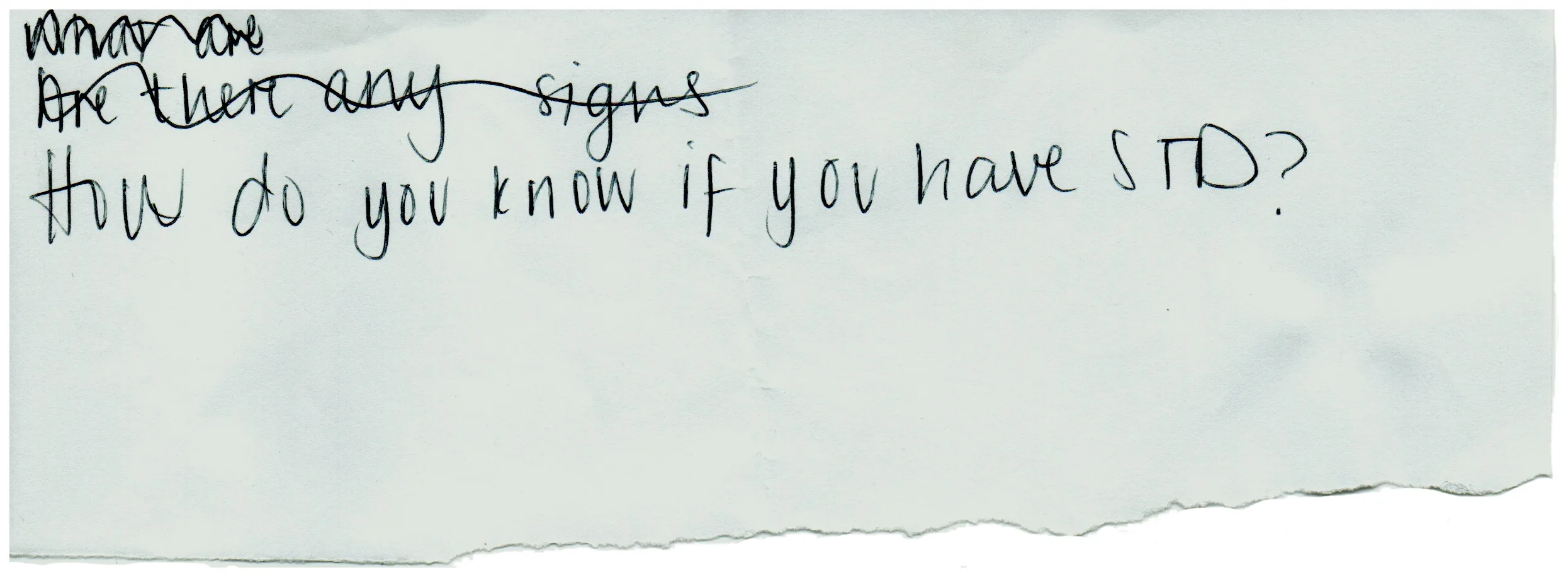
How do you know if you have STD?
Read the answer
Need to talk to someone?
- ChildlineAny issue affecting under-19s. Abuse, bullying, mental health, relationships, sexual health.