
Sexual health clinic
A free, confidential clinic where you can get STI testing, contraception, and sexual health advice. No parental permission needed.
A sexual health clinic is a place where you can get free, private help with things like testing for infections, birth control, and advice about sexual health. You don't need your parents' permission to go.
A sexual health clinic (sometimes called a GUM clinic — genitourinary medicine) is a place where you can get free, confidential help with anything related to sexual health. That includes testing and treatment, , , , and advice. You don't need to be referred by your GP, you don't need parental permission, and you don't need to be a certain age. You just turn up.
- Sexual health clinics offer free STI testing, contraception, and advice.
- Everything is confidential — they won't tell your parents, school, or GP (unless there's a serious safeguarding concern).
- You don't need an appointment at many clinics, though some operate on a booking system.
- You don't need to be 16 or over. Under the , young people can access services confidentially.
- They're staffed by healthcare professionals who do this every day — nothing you say will shock them.
[DIAGRAM: Flowchart showing what to expect at a sexual health clinic visit — arrival, check-in, consultation, testing, results, treatment]
What they offer
Sexual health clinics are a one-stop shop for:
- STI testing — urine tests, blood tests, and swabs for infections like , , , , and others. You can ask for specific tests (like a throat swab) if needed.
- STI treatment — if a test comes back positive, the clinic can treat you directly. For most bacterial STIs, that means antibiotics.
- Contraception — all methods are available, including , , , /IUS, , ring, and . They can fit methods on site.
- Emergency contraception — the morning-after pill and emergency IUD.
- testing — and advice on your options if you are .
- HIV services — testing, , , and referral for treatment.
- Advice and support — on anything sexual health related, including concerns about relationships, , or your body.
What to expect when you go
Walking into a sexual health clinic for the first time can feel daunting. Here's what usually happens:
- Arrival — you check in at reception. You'll usually be asked to fill in a short form with basic details and what you've come for. Some clinics use a screen or tablet for privacy.
- Waiting — you wait to be called. Clinics can be busy, so be prepared to wait. Bringing headphones or something to read helps.
- Consultation — a nurse or doctor sees you in a private room. They'll ask some questions about your sexual history, what you're concerned about, and what you need. This isn't awkward for them — they do it all day. Be honest, because it helps them give you the right tests and advice.
- Testing — depending on what you need, this might involve a urine sample (peeing in a pot), a blood test (for HIV, syphilis, hepatitis), or swabs (you can often do these yourself in a private room).
- Results — some results come back the same day, others take a week or two. The clinic will tell you how you'll get your results — usually by text, phone, or through an online portal.
- Treatment — if anything comes back positive, the clinic provides treatment and support, including help notifying partners.
Confidentiality
This is the bit young people worry about most: will my parents find out?
No. Sexual health clinics are confidential. They won't contact your parents, your school, or your GP — unless they believe you're in serious danger (a safeguarding concern, like abuse or exploitation). Even then, they'd talk to you about it first.
If you're under 16, the Fraser Guidelines allow healthcare professionals to provide services confidentially as long as they believe you understand the information and decisions involved. They might encourage you to involve a trusted adult, but they can't force you.
Things people get wrong
"You have to go through your GP." You don't. Sexual health clinics are self-referral — you just turn up or book online. Your GP doesn't need to know, and the clinic won't contact them unless you ask them to.
"They'll judge me." They won't. This is literally their job. They see people of all ages, backgrounds, and situations every day. Nothing you tell them will be a first.
"You need to have symptoms to get tested." Most STIs have no symptoms. Getting tested because you've been sexually active and want to check is one of the most common and sensible reasons people go. You don't need to be ill.
"It takes ages." It depends on the clinic and the day. Some visits are quick (in and out in 20 minutes). Others involve a wait. Drop-in clinics tend to be busier; booking an appointment can be faster.
Things people ask about sexual health clinics
How do I find one near me?
Search "sexual health clinic near me" or use the NHS service finder. Brook services are specifically for under-25s and offer the same things in a young-person-friendly setting.
Do I have to give my real name?
Most clinics ask for your name and date of birth for medical records, but some allow you to use a pseudonym. Ask at reception if this is a concern.
Can I go with a friend?
Yes — you can bring someone for support in the waiting room. They'd usually wait outside during the actual consultation, but having someone there can make the whole thing less stressful.
What if I'm embarrassed about what I need to say?
The staff have heard everything. You're not going to say anything that surprises them. If saying it out loud feels hard, you can write it down or point to it on the intake form. They'll make it as easy as possible.
Where to find a clinic
- NHS sexual health clinic finder — search by postcode for your nearest service.
- Brook — sexual health services specifically for under-25s, designed to be young-person-friendly.
- Your GP — can also provide many of the same services, though clinics are often quicker for STI testing and contraception.
A sexual health clinic is a free place where you can get help with anything to do with sexual health. This includes testing for infections, getting birth control, emergency pills, , and advice. Everything is private — they won't tell your parents, your school, or your doctor.
You don't need to be sent there by anyone. You just turn up or book online. You don't need to be a certain age. Young people can go on their own.
When you get there, you check in and wait to be seen. A nurse or doctor will talk to you in a private room and ask some questions about what you need. They do this all day and nothing you say will surprise them.
Testing is usually simple — weeing in a pot, a blood test, or a swab you can do yourself. Results come back in a few days to a couple of weeks, usually by text or phone.
If anything comes back positive, the clinic gives you treatment and helps you let partners know.
You don't need to have any signs of illness to get tested. Most infections have no signs at all. Going just to check is one of the most common reasons people visit.
You can search online for "sexual health clinic near me" or look for Brook services if you're under 25.
Related terms
Questions about this
-
 Sexual Health
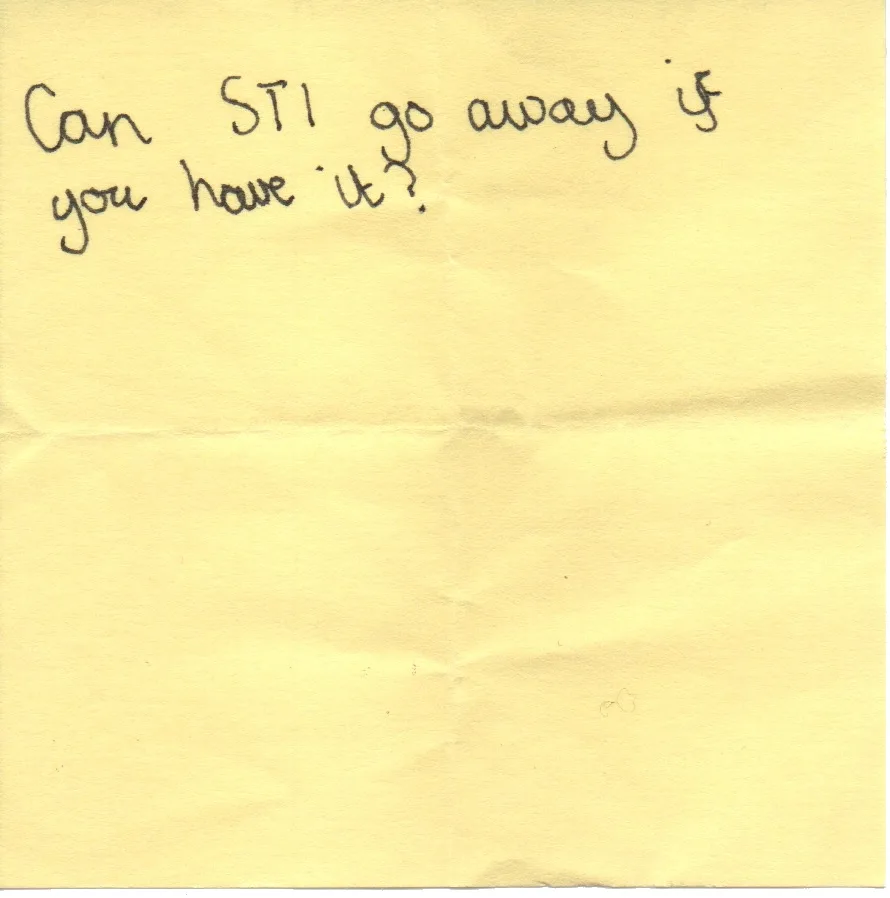
Can an STI go away if you have it?
Read the answer -
 Contraception & Pregnancy
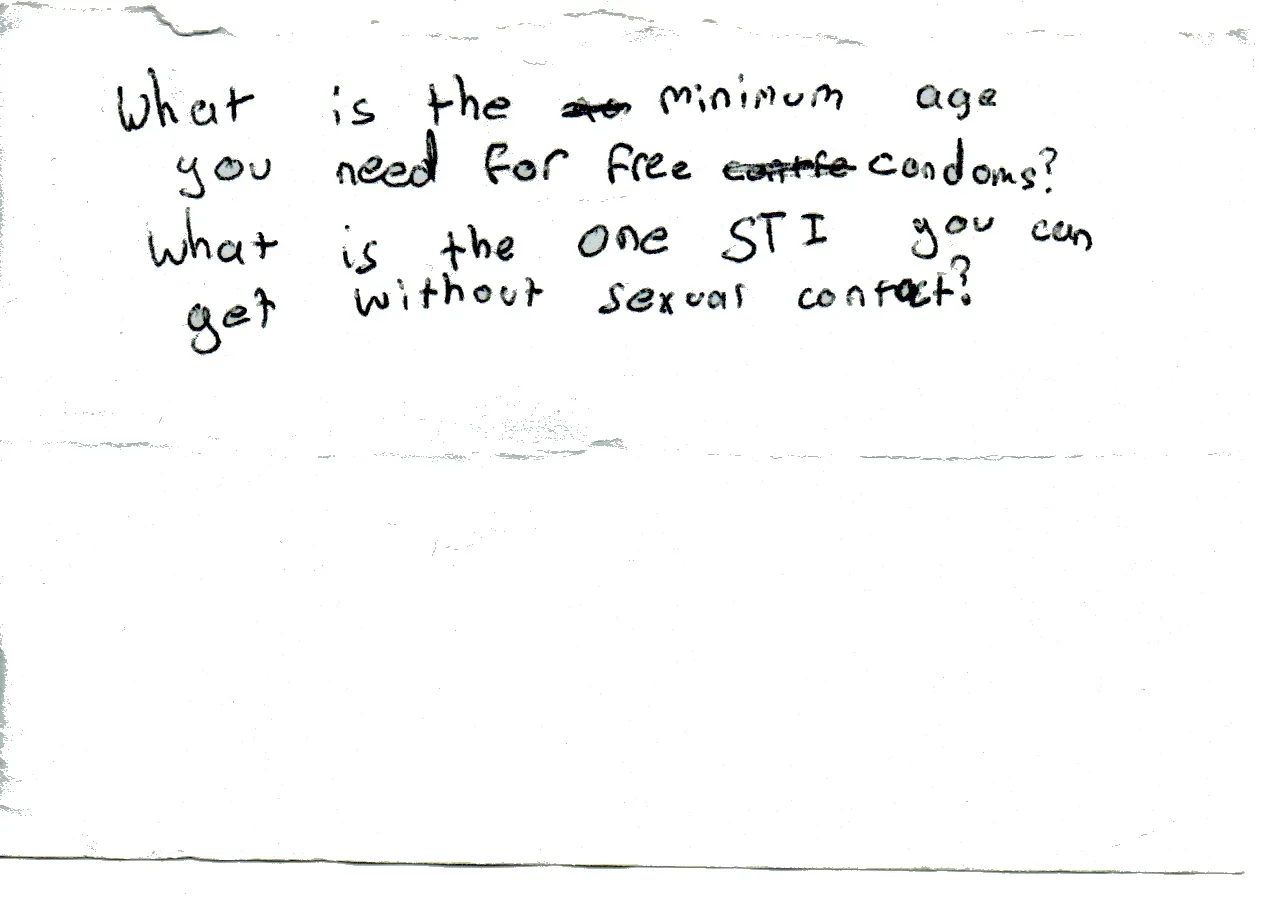
What is the minimum age you need for free condoms?
Read the answer -
 Contraception & Pregnancy
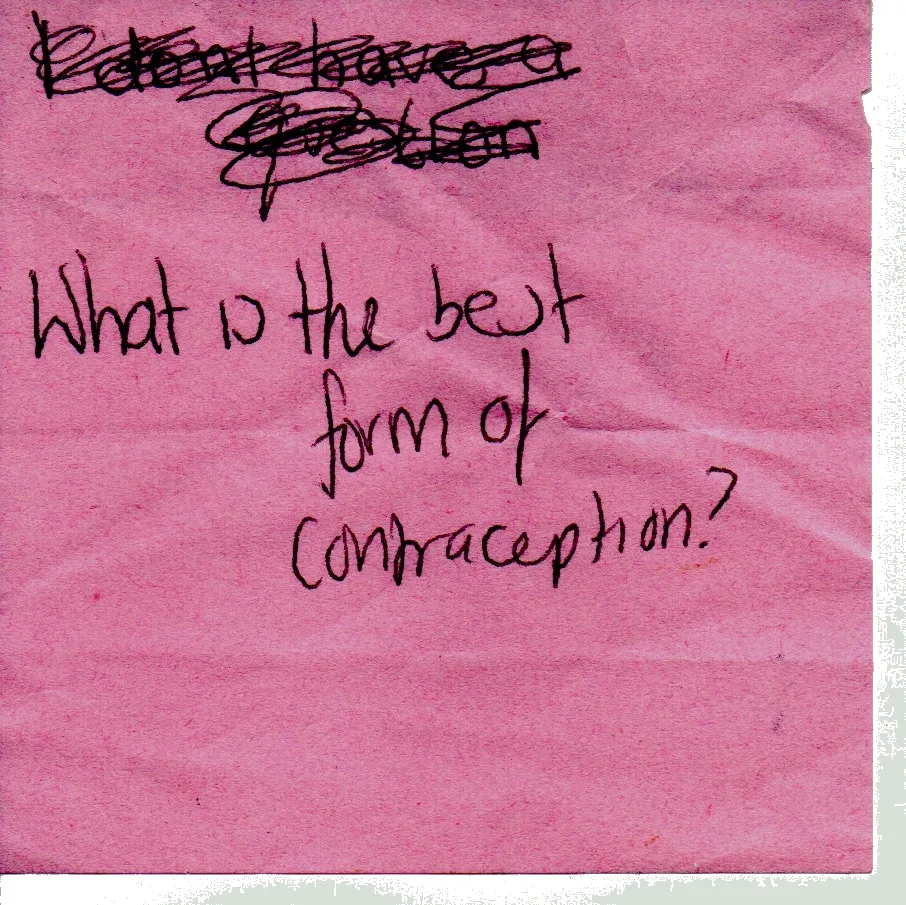
What is the best form of contraception?
Read the answer -
 Contraception & Pregnancy
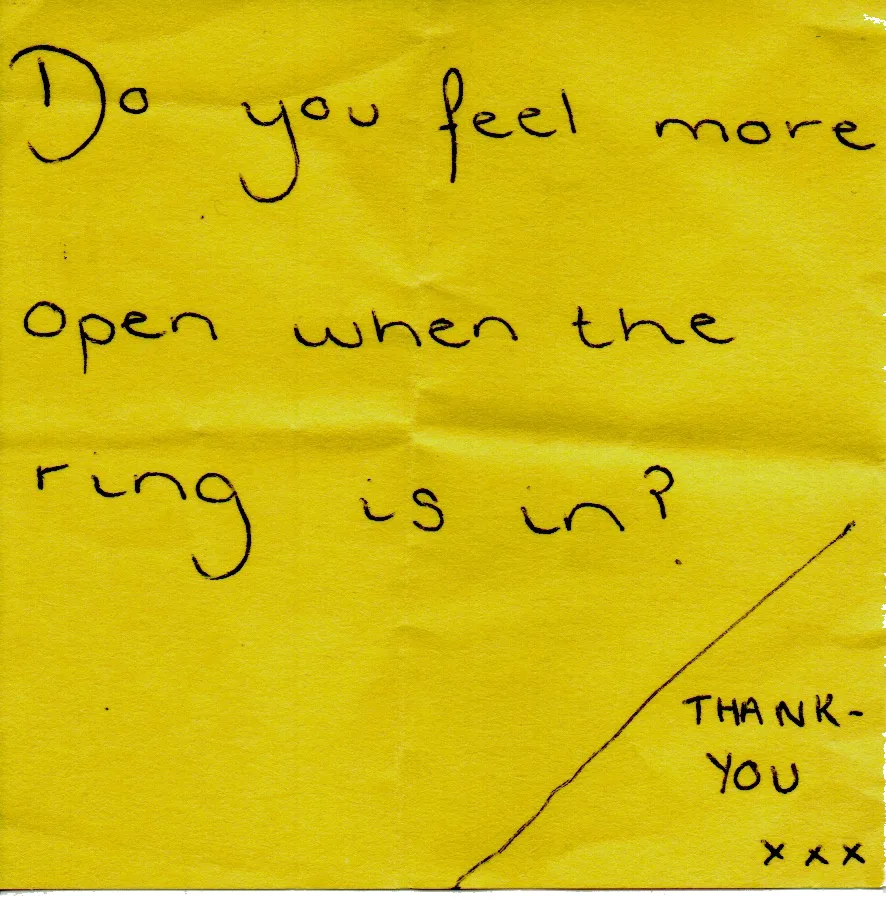
Do you feel more open when the ring is in?
Read the answer -
 Contraception & Pregnancy
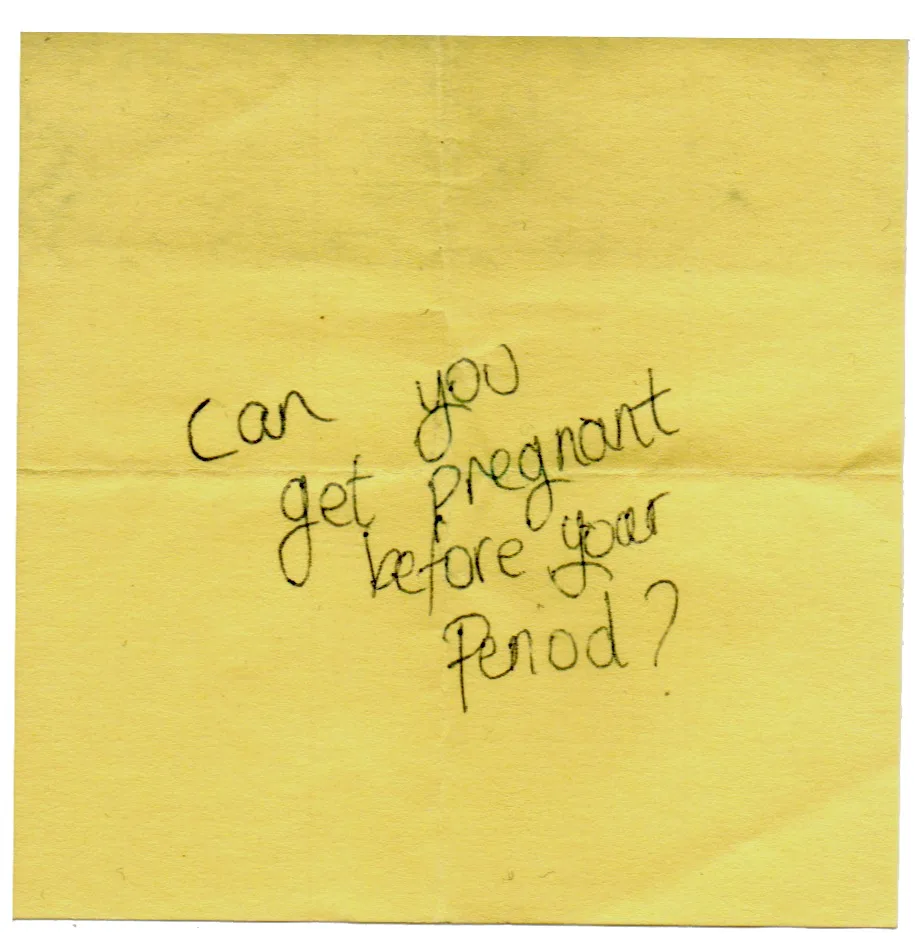
Can you get pregnant before your period?
Read the answer -
 Sex
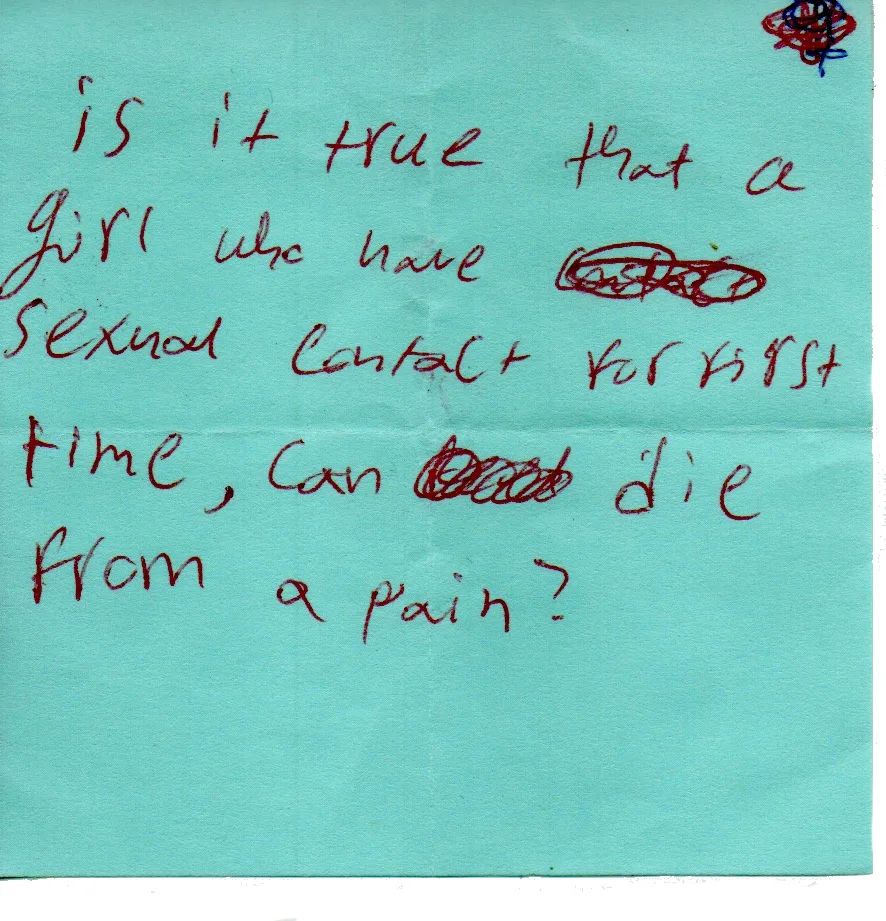
SexIs it true that a girl who has sexual contact for the first time can die from the pain?
Read the answer
Need to talk to someone?
- ChildlineAny issue affecting under-19s. Abuse, bullying, mental health, relationships, sexual health.