
Fraser Guidelines
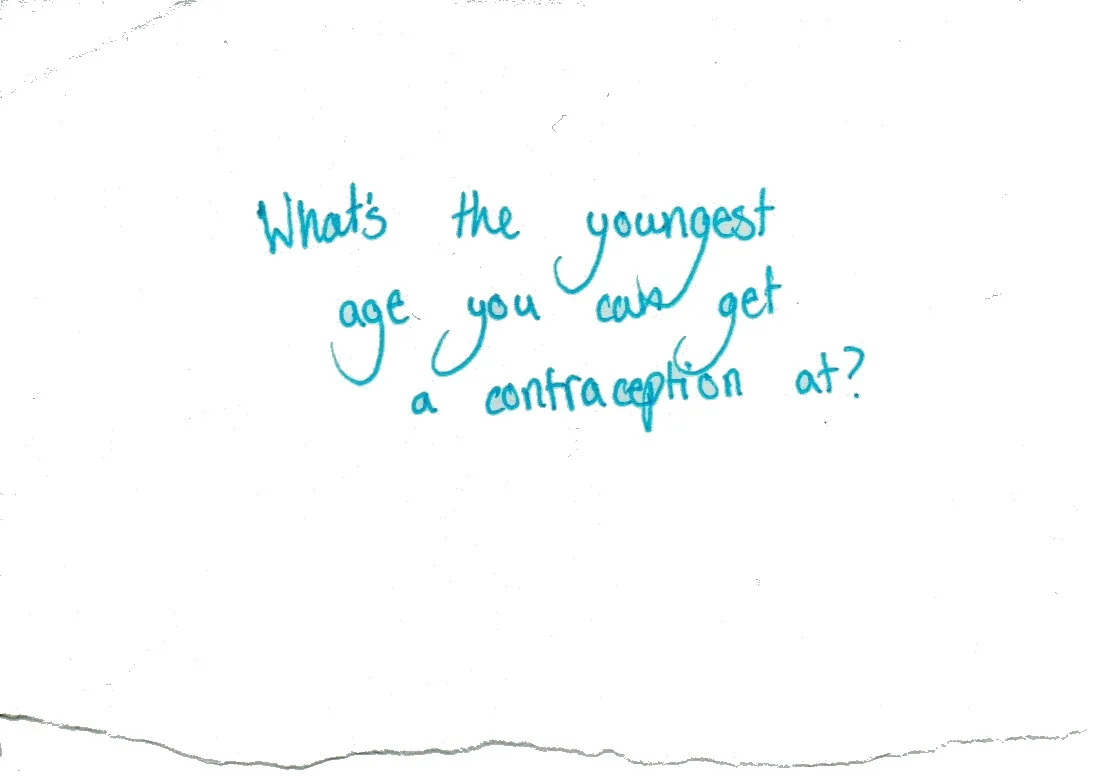
Legal framework allowing healthcare professionals to provide contraception to under-16s without parental consent, if the young person understands the advice.
Rules that allow doctors and nurses to give under-16s birth control and sexual health advice without needing a parent's permission, as long as the young person understands what they're being told.
The Fraser Guidelines are rules that allow healthcare professionals to give and sexual health advice to under-16s without needing a parent's permission. As long as the young person understands the information and the decision they're making, they can access these services confidentially. The guidelines exist to protect young people's health, not to encourage sexual activity.
- Under the Fraser Guidelines, you can get contraception and sexual health advice without parental , even if you're under 16.
- A healthcare professional must assess that you understand what's being discussed and can make an informed decision.
- Everything is confidential unless there's a serious safeguarding concern.
- The guidelines apply across the UK, though the exact legal basis varies slightly between nations. [CHECK: Scotland/NI specifics]
- They're closely related to "Gillick competence," which is the broader legal principle.
[DIAGRAM: Flowchart showing how Fraser Guidelines work — the criteria a healthcare professional checks before providing contraception to under-16s]
Fraser Guidelines vs Gillick competence
These two terms are related and often confused. Gillick competence is the broader legal principle that a child under 16 can consent to medical treatment if they have enough understanding and intelligence to fully comprehend what's involved. It came from a 1985 court case (Gillick v West Norfolk) and applies to all medical decisions, not just sexual health.
The Fraser Guidelines are the specific criteria from that same case, set out by Lord Fraser, that apply specifically to providing contraceptive advice and treatment to under-16s. They're a more focused version of Gillick competence, aimed at sexual health.
What the healthcare professional checks
Before providing contraception or sexual health advice to someone under 16, a healthcare professional will consider whether:
- The young person understands the advice and information being given
- They can't be persuaded to tell their parents or allow the professional to tell them
- They're likely to begin or continue having sex with or without contraception
- Their physical or mental health is likely to suffer without the advice or treatment
- Providing the advice or treatment is in the young person's best interests
This isn't a formal test — it's a conversation. The healthcare professional isn't trying to catch you out. They're making sure you understand what you're asking for and that providing it is the right thing for your health.
Why this matters
The Fraser Guidelines exist because the alternative — requiring parental consent for all under-16s — would stop some young people from accessing contraception and testing altogether. Some young people can't tell their parents. Some are in situations where telling parents would put them at risk. The guidelines make sure healthcare is available to the people who need it.
This means you can walk into a , GP surgery, or pharmacy and access contraception, STI testing, and advice without a parent knowing. The service is confidential. The only exception is if the healthcare professional believes you're in serious danger (a safeguarding concern) — and even then, they'd talk to you about it first.
Things people get wrong
"You have to be 16 to get contraception." You don't. Under the Fraser Guidelines, healthcare professionals can provide it to under-16s if the criteria are met.
"They'll tell my parents." They won't. The service is confidential. A healthcare professional might encourage you to involve a trusted adult, but they can't force you and they won't contact your parents behind your back (unless there's a safeguarding issue).
"It only applies to ." The Fraser Guidelines cover all contraception (pill, , , , ), STI testing, and sexual health advice.
Things people ask about the Fraser Guidelines
Will the doctor try to stop me from having sex?
No. Their job is to make sure you're safe and informed, not to judge your choices. They might ask some questions to understand your situation, but the goal is protecting your health.
What counts as a "safeguarding concern"?
If the healthcare professional believes you're being abused, exploited, or are in danger — for example, if there's a big age gap or signs of coercion. In that case, they have a duty to act, but they'd discuss it with you first.
Can I go to a pharmacy for emergency contraception if I'm under 16?
Yes. Pharmacists can provide emergency contraception to under-16s using the Fraser Guidelines. You don't need to see a GP first.
Does this apply to boys too?
Yes. The Fraser Guidelines apply to anyone under 16 seeking sexual health advice or contraception, regardless of gender.
Where to get help
- Brook — sexual health services specifically for under-25s. They use the Fraser Guidelines regularly and are set up to help young people.
- Sexual health clinics — free, confidential services available to all ages.
- Your GP or school nurse — can provide contraception and advice under the Fraser Guidelines.
The Fraser Guidelines are rules that say doctors, nurses, and pharmacists can give sexual health help to people under 16 without asking their parents first. This includes things like birth control, testing for infections, emergency pills, and advice.
The doctor or nurse will have a conversation with you to check that you understand what's being discussed and that you can make your own decision about it. It's not a test. They're just making sure you know what you're asking for.
Everything is kept private. They won't tell your parents or anyone else. The only time they might tell someone is if they think you're in danger, like if someone much older is pressuring you. Even then, they'd talk to you about it first.
These rules exist because some young people can't tell their parents about this stuff. Maybe their parents would react badly, or maybe they just feel more comfortable keeping it private. The rules make sure that young people can still get the help they need to stay safe.
This applies to everyone under 16, boys and girls. It covers all types of birth control, infection testing, and sexual health advice. You can use these rules at a , a doctor's surgery, or a pharmacy.
Related terms
Need to talk to someone?
- ChildlineAny issue affecting under-19s. Abuse, bullying, mental health, relationships, sexual health.