
Consent
Freely given, informed agreement to sexual activity. It must be ongoing and can be withdrawn at any point.
Consent means saying yes to something because you want to, not because someone made you. You can change your mind at any time.
Consent means someone freely and clearly agreeing to something. In the context of sex, it means every person involved is choosing to be there and choosing what happens — without pressure, manipulation, or fear. Consent can be given and taken back at any time.
- Consent must be freely given — not pressured, guilt-tripped, or coerced.
- It's ongoing. Saying yes to one thing doesn't mean yes to everything, and you can change your mind at any point.
- Silence, not resisting, or being "frozen" is not consent.
- Someone who is asleep, unconscious, or too drunk or high to make decisions cannot consent.
- In UK law, the is 16.
[DIAGRAM: Visual flowchart showing consent as ongoing — asking, checking in, respecting a no or change of mind at any point]
What consent actually looks like
Consent isn't a one-time checkbox at the start. It's an ongoing conversation — sometimes with words, sometimes by checking in and reading the situation. It sounds like "Do you want to...?", "Is this okay?", "Do you want to keep going?" and it looks like someone who's genuinely into what's happening, not just going along with it.
If someone says yes because they feel pressured, scared, or like they can't say no — that's not consent. If someone said yes earlier but now wants to stop — the consent is gone. If someone agrees to kissing but that doesn't mean they've agreed to anything else. Each step is its own question.
What it's not
Consent is not:
- Assuming someone is okay because they didn't say no
- Thinking someone "owes" you something because they flirted, came to your house, or sent a photo
- Pressuring someone until they give in (that's coercion, not agreement)
- Deciding someone is fine with something because they were fine with it last time
- Guessing based on what someone is wearing or how they're acting
A good rule: if you're not sure whether someone is into it, ask. And if the answer is anything less than a clear, enthusiastic yes — stop.
The law
Under the , consent means agreeing by choice and having the freedom and capacity to make that choice. If someone doesn't consent to sexual activity, that's a sexual offence — and this applies regardless of gender, sexuality, or relationship status. Being in a relationship with someone doesn't mean automatic consent.
The law is clear that certain people cannot consent:
- Anyone under 13 — the law says a child under 13 can never consent to sexual activity
- Anyone who is asleep, unconscious, or too intoxicated (by alcohol or drugs) to make a free choice
- Anyone being threatened, deceived, or coerced
The age of consent is 16 in the UK. Sexual activity with someone under 16 is illegal, though the law treats two young people of a similar age in a genuine relationship differently from an adult exploiting a young person.
Consent in real life
In real life, consent comes up all the time — not just with sex. Borrowing someone's stuff, sharing their photos, hugging them, tagging them in a post. The principle is the same: does the other person actually want this to happen?
With sexual situations specifically, alcohol makes things more complicated. If someone is drunk, their ability to consent is affected. "They were drunk so they were up for it" is not how consent works — in fact, it's the opposite. If someone is too drunk to make clear decisions, they can't consent.
Consent also matters online. Sending someone nudes they didn't ask for isn't consensual. Sharing someone's intimate images without their permission is illegal (see ). Pressuring someone to send photos is coercion.
Things people get wrong
"They didn't say no, so it was fine." The absence of "no" is not the same as "yes." Consent needs to be actively given — freezing, going quiet, or just not resisting doesn't count.
"You can't withdraw consent once you've started." Yes you can. At any point. If someone says stop, you stop. It doesn't matter what happened before that moment.
"Consent is a mood killer." Checking in with someone doesn't have to be awkward or clinical. "Is this good?" takes two seconds and shows you care. If asking ruins the mood, the mood wasn't built on mutual respect.
Things people ask about consent
What if I said yes but didn't really want to?
If you only said yes because you felt pressured, scared, or like you had no choice, that wasn't genuine consent. How you feel about it matters. If this has happened to you, talking to someone you trust or contacting a helpline can help.
Can you consent if you're drunk?
It depends on how drunk. If someone is tipsy but clearly making their own decisions, that's different from someone who's stumbling, barely coherent, or passed out. When in doubt, don't. It's always better to wait until everyone is sober and clear-headed.
What if we're in a relationship — do I still need to ask?
Yes. Being someone's boyfriend, girlfriend, or partner doesn't mean permanent consent. Every time is a new decision, and either person can say no at any point — including in a long-term relationship.
What if I'm not sure whether what happened to me was okay?
If something happened that you didn't want, or you're not sure whether you really consented, your feelings are valid. You can talk to someone about it — you don't have to figure it out alone.
Where to get help
- Childline (0800 1111) — free, confidential support for under-19s about anything, including sexual experiences that didn't feel right.
- Rape Crisis England & Wales — support for anyone who's experienced sexual violence or is unsure about something that happened to them.
- Galop — specialist support for LGBTQ+ people who've experienced sexual violence or abuse.
- The police (999 in emergency, 101 non-emergency) — sexual activity without consent is a crime and can be reported at any time.
Consent is about making sure everyone is happy with what's happening. Before you do something with someone else, you need to check that they want to do it too. And they need to check with you.
If someone says no, or doesn't seem sure, that means stop. Even if someone said yes before, they're allowed to change their mind. That's ok. Nobody should ever make you do something you don't want to do. And you should never make someone else do something they don't want to do.
Saying yes to one thing doesn't mean yes to everything. If someone agrees to kissing, that doesn't mean they've agreed to anything else. Each thing is a separate question.
If someone only says yes because they feel scared, pressured, or like they can't say no, that's not real consent. If someone is asleep, passed out, or very drunk, they can't consent at all.
In the UK, the law says you have to be 16 to agree to any kind of sexual activity. And even after 16, consent still has to be freely given every single time.
Consent isn't just about sex. It applies to things like hugging, sharing photos, or borrowing someone's stuff. The idea is the same — does the other person actually want this to happen?
If something happened to you that didn't feel right, you can talk to someone about it. You don't have to figure it out on your own.
Related terms
Questions about this
-
 Sex & the Law
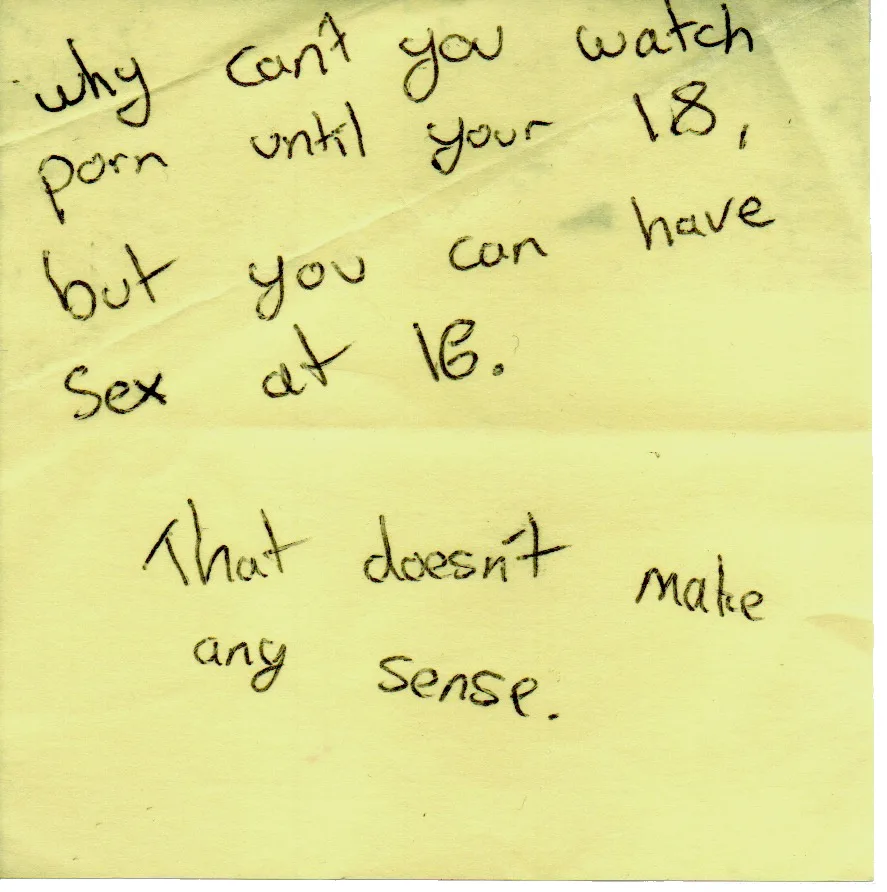
Why can't you watch porn until you're 18 but you can have sex at 16?
Read the answer -
 Sex
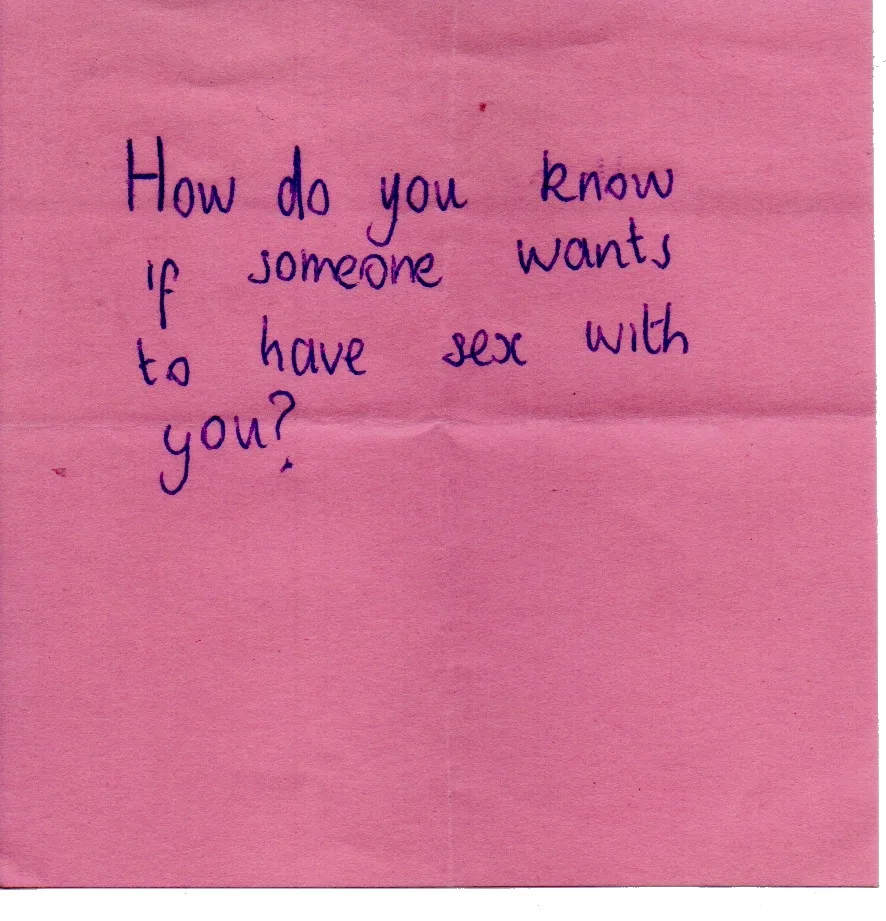
SexHow do you know if someone wants to have sex with you?
Read the answer -
 Relationships
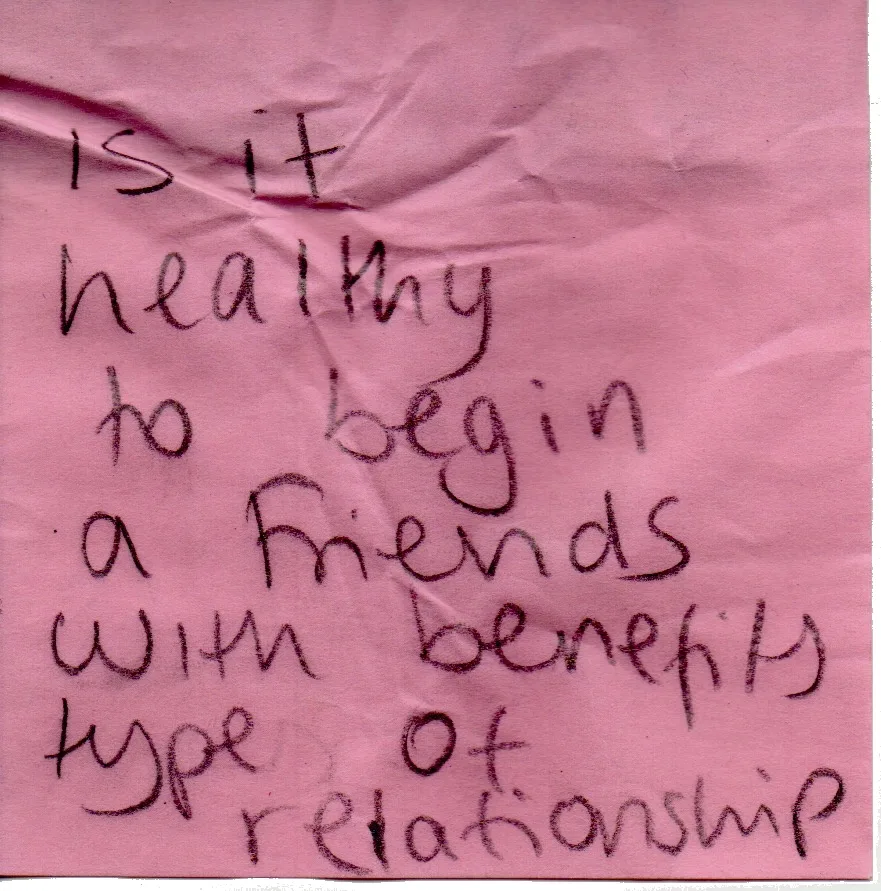
Is it healthy to begin a friends with benefits type relationship?
Read the answer -
 Sex & the Law
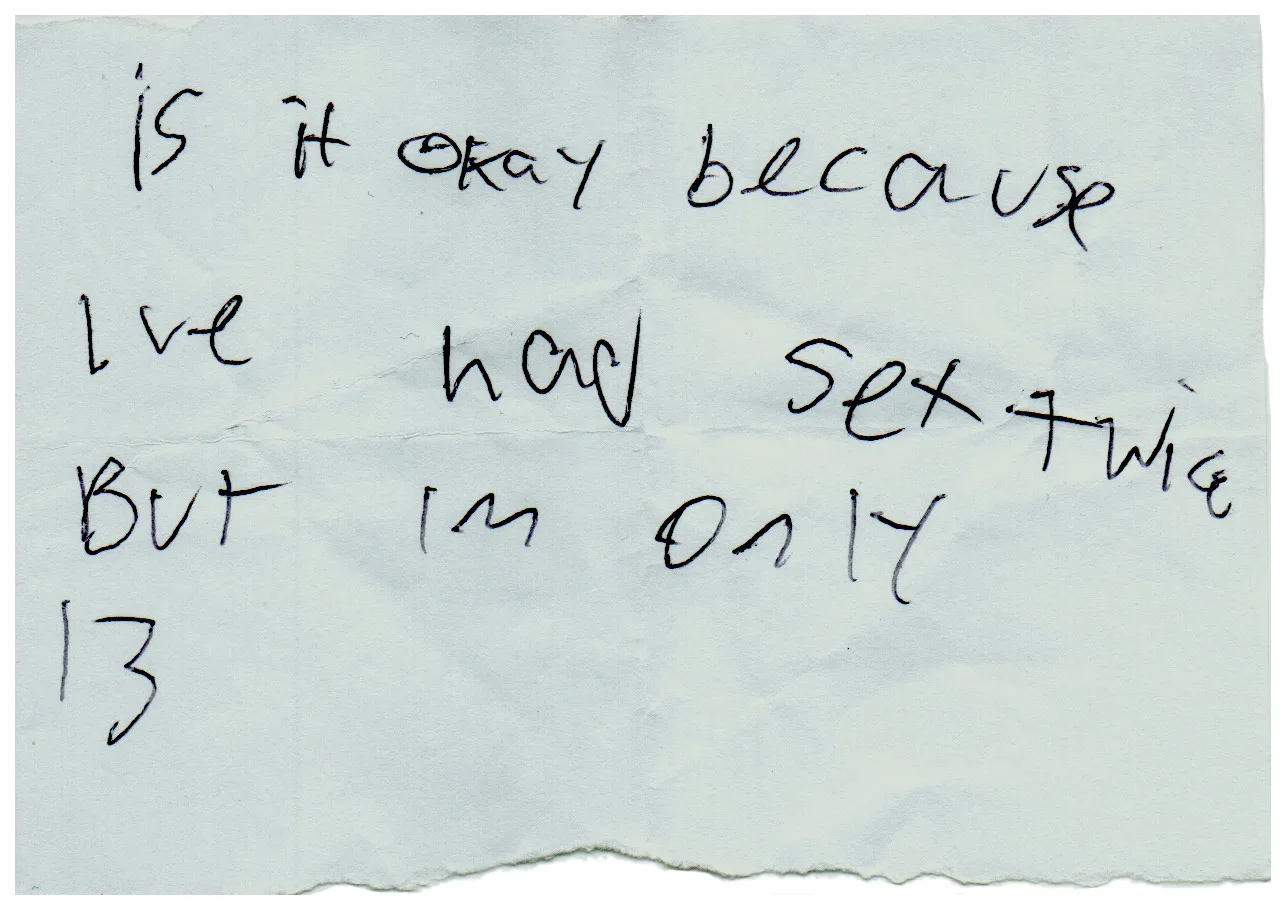
Is it okay because I've had sex twice but I'm only 13?
Read the answer -
 Sex
SexWhat would you say is the right age to have sex?
Read the answer -
 Sex & the Law
Can I get away with having sex with a teacher?
Read the answer
Need to talk to someone?
- ChildlineAny issue affecting under-19s. Abuse, bullying, mental health, relationships, sexual health.