
Power imbalance
When one person in a relationship has more control or authority than the other, making genuine consent harder.
A power imbalance is when one person in a relationship has more control or influence than the other — because of things like age, authority, or money. This can make it harder for the other person to say no freely.
A power imbalance is when one person in a relationship has more power, control, or influence than the other. That power can come from age, authority, experience, money, social status, physical size, or emotional manipulation. In the context of sex and relationships, power imbalances matter because they make genuine harder — if one person holds significantly more power, the other may not feel truly free to say no.
- A power imbalance means one person has more control or influence than the other.
- It can come from age, authority (teacher, boss, coach), experience, money, popularity, or emotional leverage.
- Power imbalances don't automatically make a relationship abusive — but they increase the risk.
- They make consent more complicated, because the less powerful person may feel unable to refuse.
- Recognising power imbalances helps you spot situations where someone might be taking advantage.
Where power imbalances show up
Power imbalances aren't always dramatic or obvious. Some examples in the world of young people:
- Age gaps — a 17-year-old with a 25-year-old. Even though both are over the , the older person has more life experience, independence, and often more emotional control. The younger person may feel flattered by the attention without recognising the dynamic.
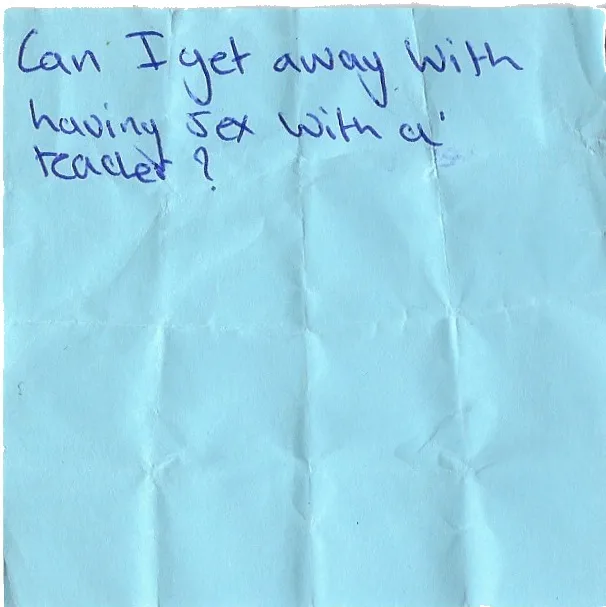
- Authority figures — a teacher, coach, or youth worker who uses their position to build a sexual or inappropriate relationship. This is why laws exist.
- Social status — someone more popular, more confident, or more socially powerful pressuring someone who wants to fit in or be accepted.
- Money and resources — a partner who pays for everything and uses that as leverage ("I've bought you all this stuff, you owe me").
- Emotional dependency — one person making the other feel like they can't cope without them, or that nobody else would want them.
Why it affects consent
Consent means agreeing freely, with the capacity and freedom to make that choice. When there's a significant power imbalance, "freedom" gets complicated. If saying no might mean losing your place on a team, getting a bad grade, being dumped, losing financial support, or being socially excluded — your "yes" isn't truly free. It's shaped by what you stand to lose.
This doesn't mean every relationship with a power difference is abusive. People in relationships are rarely perfectly equal in every way. The issue is when the imbalance is significant enough that one person can control, pressure, or manipulate the other — and when the more powerful person exploits that advantage.
Age gaps specifically
Age gaps come up a lot in conversations about power imbalances — especially when one person is a teenager. An older person being interested in a much younger person can feel exciting and flattering, but it's worth asking: why is this person pursuing someone so much younger? What do they get from the power difference?
This isn't about blanket rules — a two-year age gap between teenagers is very different from a ten-year gap between a teenager and an adult. But the bigger the gap, especially during teenage years, the more likely a power imbalance is at play.
Things people get wrong
"If I said yes, it was consensual — regardless of the power dynamic." Consent that happens under pressure, fear, or obligation isn't the same as consent given freely. A "yes" from someone who feels they can't say no isn't a real yes.
"Power imbalances only exist in abusive relationships." They exist everywhere — in friendships, families, workplaces, and dating. They only become a problem when they're exploited or when they undermine someone's ability to make free choices.
"If the younger person is mature for their age, the age gap doesn't matter." This is one of the most common things groomers say. Maturity doesn't erase a power imbalance — it's often used as justification for one.
Things people ask about power imbalances
How do I know if there's a power imbalance in my relationship?
Ask yourself: do I feel free to disagree, say no, or leave? Does the other person respect my decisions, or do they pressure me, guilt me, or make me feel like I owe them? If one person consistently gets their way and the other consistently gives in, there's likely an imbalance.
Is an age gap always a ?
Not always. Two adults with a few years' difference and similar life stages may be perfectly fine. But during teenage years, even a few years can represent a big gap in maturity, experience, and power. The younger you are, the more an age gap matters.
What if I feel like I have less power but I'm happy in the relationship?
It's possible to be in an unequal relationship and still be okay — as long as the more powerful person isn't exploiting that. But it's worth checking in with yourself honestly. Sometimes we adjust to a dynamic without realising it's shifted too far.
Where to get help
- Childline (0800 1111) — if a relationship feels off or someone with more power is making you uncomfortable.
- The Mix — support for under-25s on relationships and difficult situations.
- Women's / Galop — for anyone experiencing abuse in a relationship, including where power imbalance is a factor.
A power imbalance is when one person in a relationship has more power than the other. That power might come from being older, being in charge (like a teacher or coach), having more money, being more popular, or being more emotionally in control.
This matters because when one person has a lot more power, the other person might not feel truly free to say no. They might say yes to things because they're scared of losing something — like a place on a team, a friendship group, money, or the relationship itself. A "yes" that comes from fear or pressure isn't a real yes.
Power imbalances show up in lots of places. An older person dating a much younger person. A popular person pressuring someone who wants to fit in. A partner who pays for everything and then says "you owe me." A person who makes their partner feel like nobody else would want them.
Not every relationship with a power difference is bad. People are rarely perfectly equal. The problem is when the more powerful person uses that power to get what they want at the other person's expense.
If you're in a relationship where you feel like you can't disagree, can't say no, or feel like you owe the other person something — that's worth paying attention to.
Related terms
Questions about this
Need to talk to someone?
- ChildlineAny issue affecting under-19s. Abuse, bullying, mental health, relationships, sexual health.