
Hormones
Chemical messengers in the body that control things like growth, mood, and sexual development.
Hormones are chemical messages that travel through your blood and tell your body what to do. They control things like growing, mood, and the changes that happen during puberty.
Hormones are chemical messengers that travel through your blood and tell different parts of your body what to do. They control things like growth, mood, energy, hunger, sleep, , and sexual development. During , hormones are the reason your body starts changing — and they're also why your emotions can feel like a rollercoaster.
- Hormones are chemical signals that control how your body grows, develops, and functions.
- The main sex hormones are , , and — everyone has all three, just in different amounts.
- During puberty, a surge in hormones triggers all the physical changes you go through.
- Hormones also drive the , sex drive, mood changes, and .
- Hormonal works by altering hormone levels to prevent .
[DIAGRAM: Infographic showing key hormones (oestrogen, progesterone, testosterone, LH, FSH) with what each does during puberty and the menstrual cycle]
The key hormones in sex and puberty
Oestrogen — mainly produced by the . It drives many of the changes associated with puberty in people with ovaries: breast development, wider hips, the start of . It also plays a key role in the menstrual cycle, regulating and maintaining the lining. Everyone has some oestrogen, but people with ovaries have more.
Progesterone — also produced by the ovaries, mainly after ovulation. It prepares the uterus lining for a potential pregnancy each month. If no pregnancy happens, progesterone levels drop, and the lining sheds — that's a period.
Testosterone — mainly produced by the testes, but everyone has some. It drives changes like voice deepening, facial and body hair growth, muscle development, and increased sex drive during puberty. In people with ovaries, testosterone also plays a role in sex drive and energy.
FSH and LH — follicle-stimulating hormone and luteinising hormone. These are produced by the brain and tell the ovaries or testes to do their job — releasing , producing , and making sex hormones.
Why puberty feels so intense
During puberty, your body goes from producing very low levels of sex hormones to producing much more. This surge doesn't happen smoothly — it comes in waves and takes years to settle. That's why puberty isn't just physical changes; it's also mood swings, sudden strong emotions, feeling angry or tearful for no clear reason, and a new awareness of sexual attraction.
None of this means you're being dramatic or unreasonable. Your brain is genuinely processing a chemical shift. It levels out as you get older, but it can feel overwhelming while it's happening.
Hormones and contraception
Hormonal contraception (, , , , IUS, and ) works by adjusting your hormone levels — usually to prevent ovulation (no egg released means no pregnancy), thin the uterus lining, or thicken cervical mucus to block sperm. This is also why hormonal contraception can affect things like periods, mood, skin, and sex drive — because hormones don't just do one thing.
Things people get wrong
"Testosterone is a male hormone and oestrogen is a female hormone." Everyone has both. The balance is different depending on your body, but they're not exclusive to one sex. Testosterone plays a role in sex drive and energy for everyone.
"Mood swings during puberty are just you being dramatic." They're not. Hormonal changes genuinely affect how you feel. Your emotions are real, even if the trigger seems small.
"Hormones only matter during puberty." Hormones are active throughout your entire life. They control the menstrual cycle, fertility, mood, bone density, and loads of other things well beyond puberty.
Things people ask about hormones
Why do I feel so moody during puberty?
Because your body is adjusting to rapidly changing hormone levels. Your brain's emotional centres are affected by these shifts. It's real, it's temporary, and it gets easier.
Can hormones affect my skin?
Yes — hormones (especially testosterone) increase oil production in the skin, which is why acne is so common during puberty. It usually improves as hormone levels stabilise.
Do hormones control when you get your period?
Yes. The menstrual cycle is entirely driven by hormones — oestrogen and progesterone rise and fall in a pattern, and the drop in progesterone triggers the period.
Can stress affect my hormones?
Absolutely. Stress hormones (like cortisol) can disrupt sex hormone levels, which is why stress can delay periods, affect sex drive, and make mood swings worse.
Hormones are chemicals made by your body. They travel through your blood and send messages to different parts of your body, telling them what to do. They control things like how you grow, how you feel, how hungry you are, and when you sleep.
During , your body starts making a lot more of certain hormones. These are the ones that cause all the changes — growing taller, body hair, deeper voices, breasts developing, starting, spots, and stronger feelings about people.
The main ones are , , and . Everyone has all three, just in different amounts. Girls and women usually have more oestrogen and progesterone. Boys and men usually have more testosterone.
Hormones are also the reason puberty can feel so emotional. Your brain is dealing with a big chemical shift, which can cause mood swings, strong feelings, and crying or getting angry for no clear reason. That's not you being dramatic — it's your body adjusting. It calms down over time.
Hormones also control the monthly cycle that girls and women have. They rise and fall in a pattern, and when they drop, that's what causes a period.
Some types of birth control work by changing hormone levels in the body to stop from happening.
Related terms
Questions about this
-
 Puberty
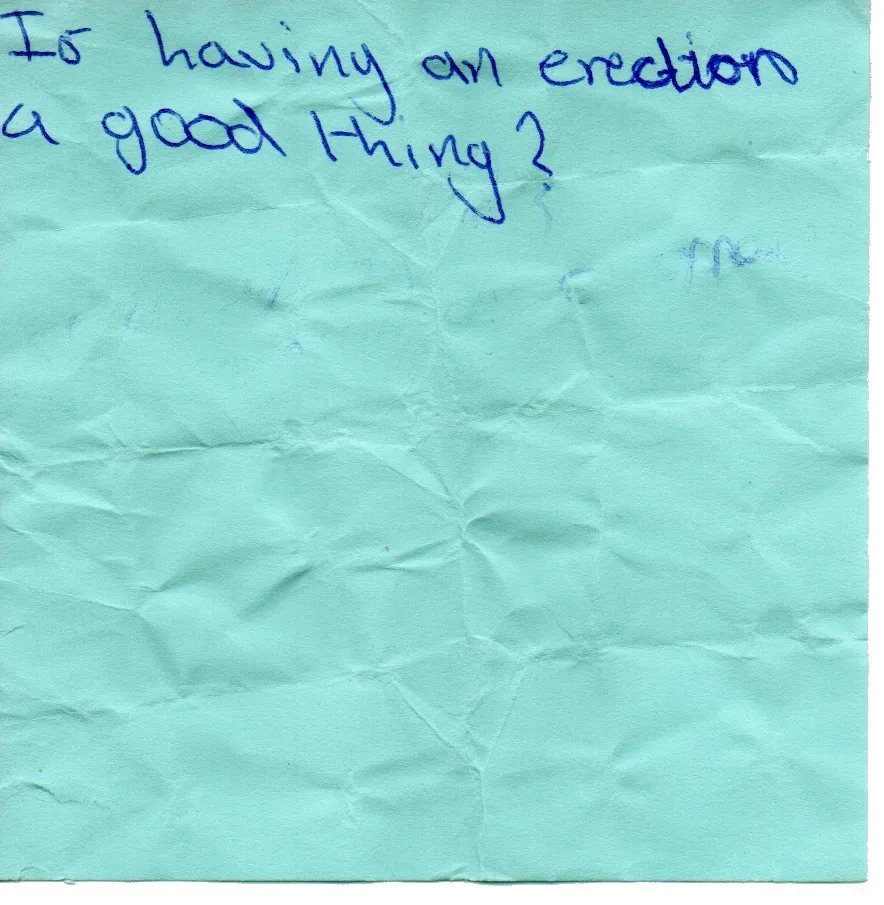
Is having an erection a good thing?
Read the answer -
 Relationships
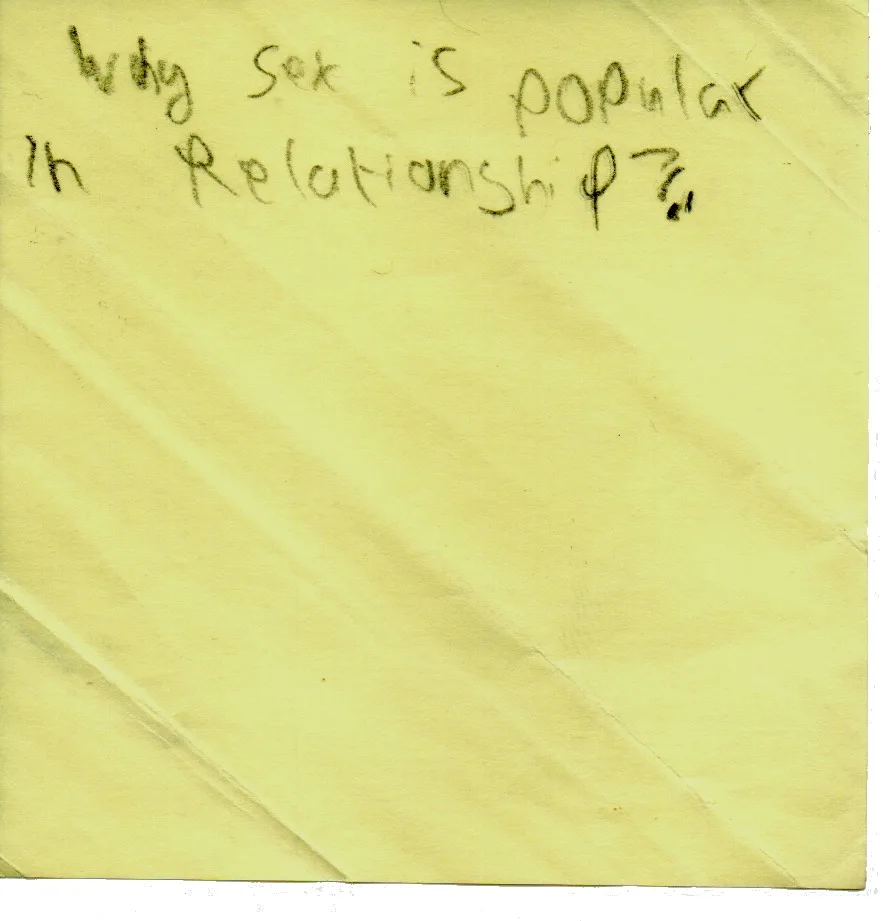
Why is sex so popular in relationships?
Read the answer -
 Sexual Health
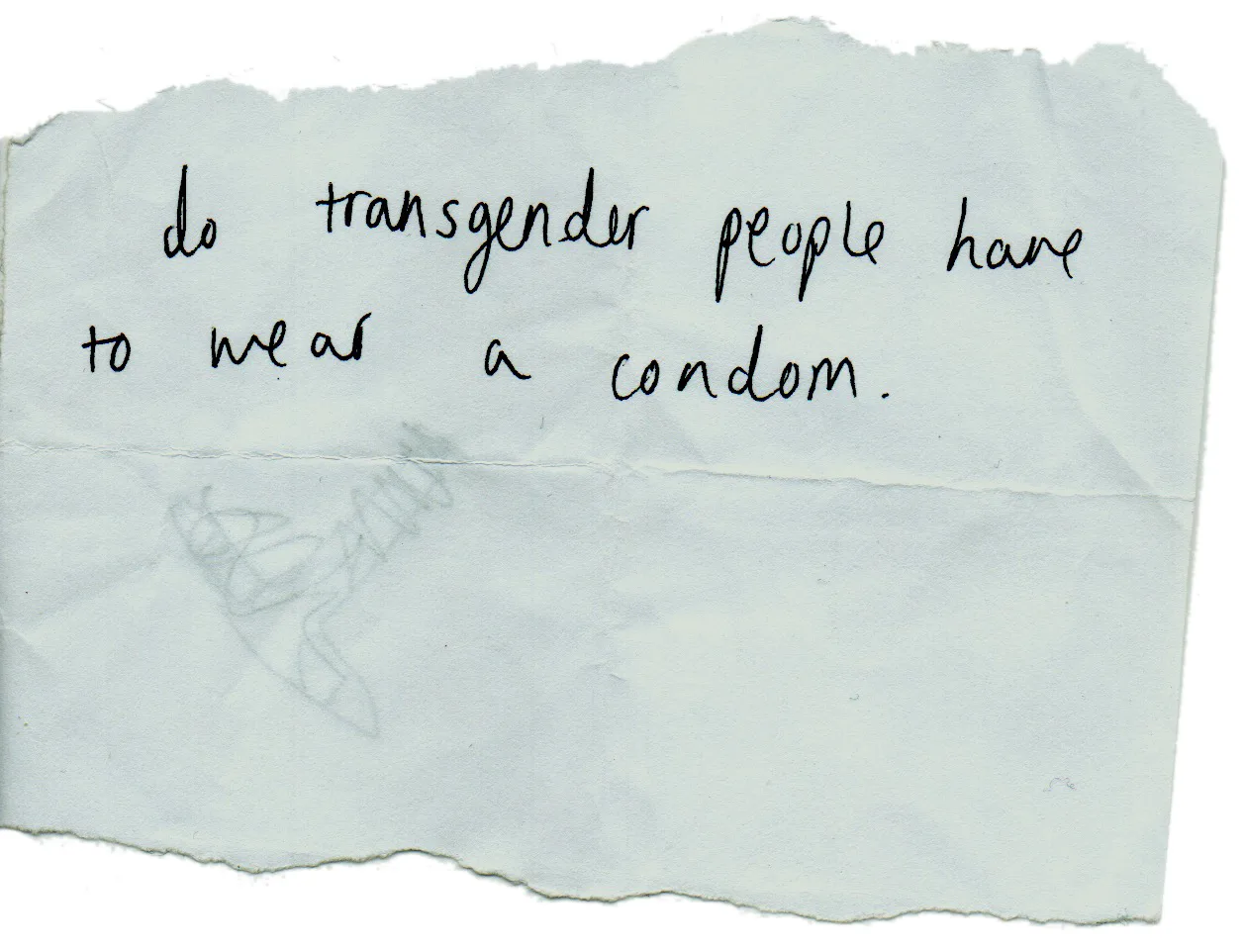
Do transgender people have to wear a condom?
Read the answer -
 Puberty
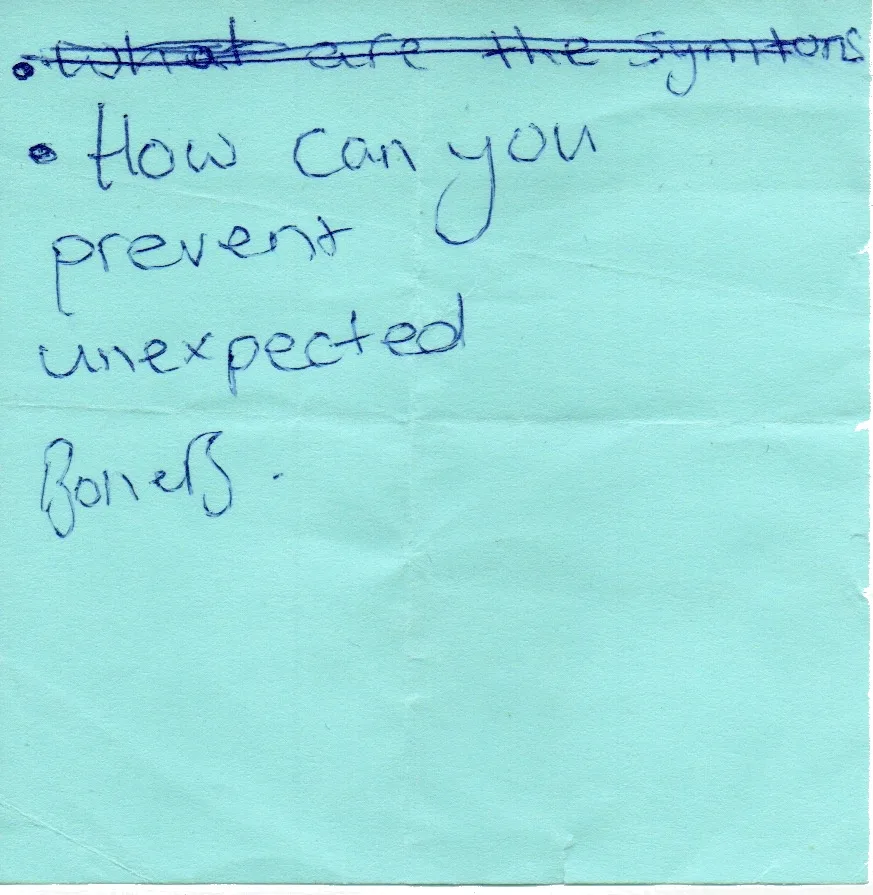
How can you prevent unexpected boners?
Read the answer -
 Anatomy
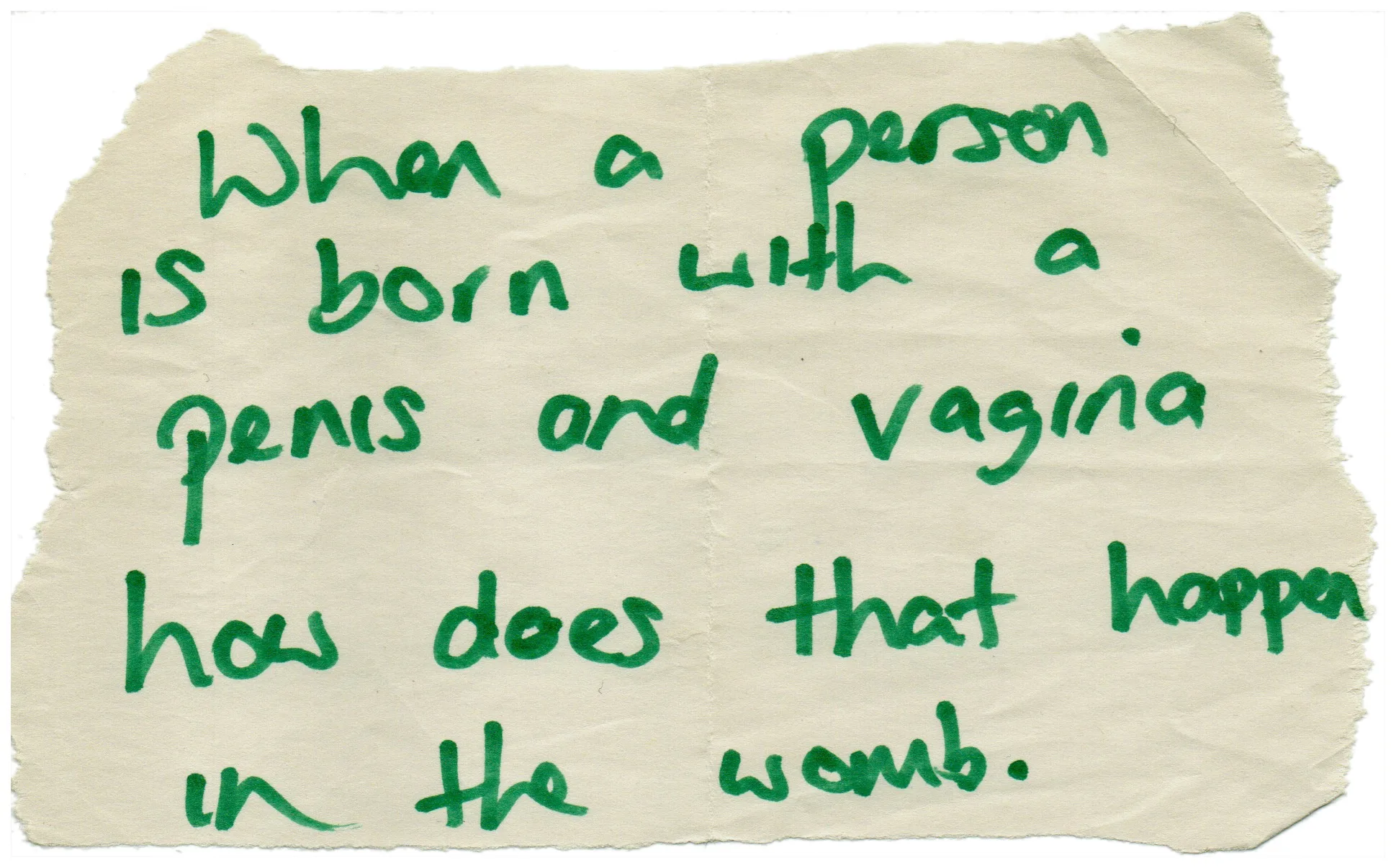
When a person is born with a penis and vagina how does that happen in the womb?
Read the answer -
 Contraception & Pregnancy
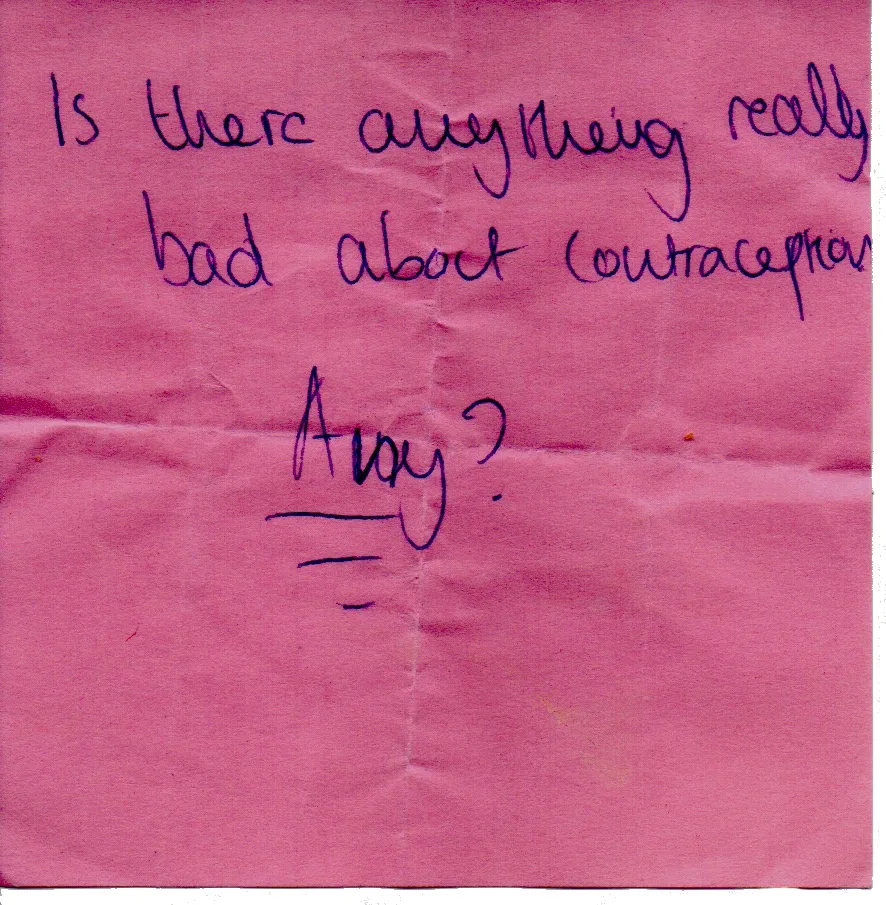
Is there anything really bad about contraception?
Read the answer
Need to talk to someone?
- ChildlineAny issue affecting under-19s. Abuse, bullying, mental health, relationships, sexual health.