
Testosterone
The main hormone driving male puberty, sex drive, and characteristics like a deeper voice and body hair.
Testosterone is a hormone that causes many of the changes during puberty for boys and men, like the voice getting deeper, body hair growing, and muscles developing. Everyone has some, but boys and men have more.
Testosterone is a hormone that plays a major role in , , and physical development — especially in people with testes. It's often called a "male hormone," but everyone produces it; people with testes just make a lot more. It's responsible for changes like voice deepening, facial hair, muscle development, and increased sex drive during puberty.
- Testosterone is mainly produced by the testes (and smaller amounts by the and adrenal glands).
- It drives puberty in people with testes: voice breaking, body hair, muscle growth, genital development.
- It plays a role in sex drive for everyone — not just people with a .
- Levels surge during puberty and remain high throughout adulthood, gradually declining with age.
- It's also used in gender-affirming hormone therapy for trans men and some people.
[DIAGRAM: Infographic showing what testosterone does in the body — effects on muscles, voice, hair growth, mood, sex drive]
What it does during puberty
When puberty starts in people with testes, testosterone levels increase dramatically. This triggers:
- Voice deepening (the larynx grows, voice "breaks")
- Facial and body hair growth
- Muscle and bone development, broader shoulders
- Growth of the penis and
- Increased oil production in the skin (spots)
- Sex drive and sexual thoughts becoming more prominent
- production beginning
These changes happen gradually over several years, not overnight.
Testosterone in everyone
Everyone has testosterone — people with ovaries produce it in smaller amounts from the ovaries and adrenal glands. In all bodies, testosterone contributes to sex drive, energy levels, bone density, and muscle maintenance. The idea that it's exclusively a "male" hormone is wrong — it's a human hormone that exists in different amounts.
Things people get wrong
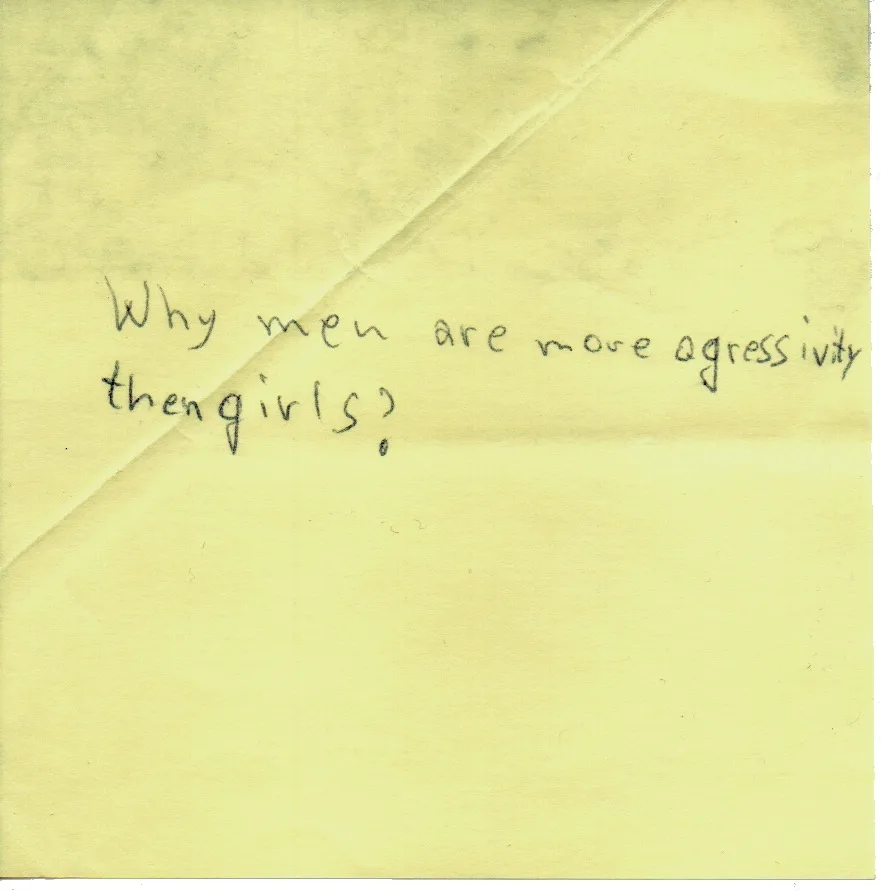
"Testosterone makes you aggressive." The link between testosterone and aggression is much weaker than people think. Testosterone can influence competitiveness and confidence, but "testosterone made me do it" isn't backed by science.
"More testosterone is always better." Very high testosterone levels can cause problems — acne, mood issues, and health risks. The body works best within a normal range.
"Testosterone is only relevant to men." It affects sex drive, energy, and mood in everyone. Low testosterone in people with ovaries can cause fatigue and reduced libido too.
Things people ask about testosterone
Why do I feel so angry or hyped up during puberty?
Rising testosterone levels affect mood and emotions. Feeling more intense, competitive, or easily frustrated is common during puberty. It's hormonal and it settles as your body adjusts.
Is testosterone used in gender-affirming treatment?
Yes. Trans men and some non-binary people may take testosterone as part of hormone therapy to develop characteristics like a deeper voice, facial hair, and body fat redistribution. This is prescribed and monitored by specialist clinics. [CHECK: current NHS pathway]
Can anything lower your testosterone?
Stress, poor sleep, heavy alcohol use, and certain medications can temporarily reduce testosterone levels. In most young people, these effects are reversible.
Testosterone is a hormone — a chemical message that travels through the blood and tells parts of the body what to do. It's mainly made in the balls () in boys and men, but everyone has some.
During , testosterone causes a lot of the changes that happen to boys' bodies. The voice gets deeper. Hair grows on the face, chest, and other parts of the body. Muscles get bigger. The shoulders get broader. The and testicles grow. Spots can appear because the skin gets oilier. Sexual thoughts and feelings become stronger.
These changes happen slowly over several years.
Testosterone also affects in everyone — not just boys and men. Girls and women make smaller amounts, and it plays a role in their energy and how interested they feel in sex too.
During puberty, rising testosterone can also affect your mood. Feeling more intense, competitive, or easily frustrated is common. It's caused by the and it settles down over time.
The idea that testosterone makes people aggressive isn't really true. It can make you feel more intense, but it doesn't make you violent.
Testosterone is also used as medicine for some men as part of changing how their body looks and sounds.
Related terms

Need to talk to someone?
- ChildlineAny issue affecting under-19s. Abuse, bullying, mental health, relationships, sexual health.