
Puberty
The period of physical and emotional changes when a child's body develops into an adult's. Usually happens between ages 9 and 16.
Puberty is when your body changes from a child's body into an adult's body. It involves growing taller, getting body hair, and lots of other changes. It usually happens between ages 9 and 16.
Puberty is the when your body changes from a child's into an adult's. It's triggered by and involves physical changes (growing taller, body hair, developing breasts or broader shoulders, genitals maturing), emotional changes (mood swings, new feelings, stronger emotions), and the beginning of sexual and reproductive development. It happens to everyone, but the timing, order, and pace vary a lot from person to person.
- Puberty usually happens between ages 9 and 16. There's no "right" time to start.
- It's driven by hormones — mainly , , and .
- Physical changes take several years to complete. It's not an overnight thing.
- Emotional changes are just as real as physical ones. Mood swings, intense feelings, and self-consciousness are all normal parts of it.
- Everyone goes through puberty at their own pace. Starting early or late is usually completely normal.
[DIAGRAM: Timeline infographic showing typical puberty changes for different bodies — approximate ages for breast development, voice breaking, , body hair, periods, etc.]
Changes in bodies with ovaries
Puberty in people with is mainly driven by oestrogen. The typical sequence (though it varies):
- Breast development — usually the first visible sign. Starts with small buds under the nipple. One breast often develops before the other or grows faster — this is normal.
- Pubic and body hair — hair starts growing around the , under the arms, and on the legs.
- Growth spurt — a period of rapid height increase, usually peaking around age 11-12.
- Body shape changes — hips widen, body fat redistributes to hips, thighs, and bum.
- Vaginal — a white or clear fluid that starts before the first period.
- Periods — usually begins about 2-3 years after breast development starts. The average age for a first period in the UK is 12-13, but 9-16 is the normal range.
- Skin and sweat changes — skin becomes oilier (hello, spots), and sweat glands become more active (hello, body odour).
Changes in bodies with testes
Puberty in people with testes is mainly driven by testosterone. The typical sequence:
- grow — usually the first sign, though it's less obvious than breast development. The may darken in colour.
- growth — the penis gets longer and then wider over a couple of years.
- Pubic and body hair — hair around the base of the penis, then underarms, legs, chest, and face.
- Growth spurt — tends to happen later than in people with ovaries, usually peaking around 13-14.
- Voice breaking — the larynx (voice box) grows, making the voice deeper. It might crack or squeak during the transition.
- and wet dreams — the body starts producing and . (wet dreams) are common.
- Skin and sweat changes — oilier skin, spots, and stronger body odour.
- Broader shoulders and muscle development — the body becomes more muscular over time.
The emotional side
Puberty isn't just physical. The same hormones that change your body also affect your brain. This can mean:
- Mood swings — feeling fine one minute and angry, sad, or tearful the next. This is hormonal, not you being dramatic.
- Self-consciousness — becoming more aware of your body and how others see you. Comparing yourself to others is common.
- New feelings — sexual attraction, crushes, and curiosity about sex often start during puberty. This can feel exciting, confusing, or both.
- Stronger emotions generally — things can feel more intense during puberty. Friendships, arguments, embarrassment, excitement — everything gets turned up.
These emotional changes are real and valid. Your brain is literally rewiring itself during adolescence, and that takes time.
The timing question
Puberty starts when your body is ready, and that timing is mostly genetic. Starting at 9 is normal. Starting at 14 is normal. Being the first or last in your year group to go through changes can feel isolating, but it doesn't mean anything is wrong.
If puberty signs appear before age 8 (in people with ovaries) or age 9 (in people with testes), it's called precocious puberty and is worth a GP visit to check. [CHECK: current referral thresholds] If there are no signs of puberty by 14-15, that's also worth mentioning to a GP — again, not necessarily a problem, but worth checking.
Things people get wrong
"Everyone goes through puberty at the same age." The range is huge. Two people the same age can be at completely different stages and both be normal.
"Puberty is just about your body." The emotional and psychological changes are just as significant — and often harder to deal with than the physical ones.
"Once puberty starts, it's over quickly." Puberty typically takes 2-5 years. Some changes (like height) finish relatively quickly; others (like brain development) continue into your early twenties.
Things people ask about puberty
Why am I developing faster/slower than my friends?
Because puberty runs on its own timeline for each person. Genetics are the biggest factor. Being ahead or behind your friends doesn't mean anything about your health — it's just variation.
Is it normal to feel really emotional?
Yes. Hormonal shifts genuinely affect your mood and emotions. It's not weakness or attention-seeking — it's biology. It gets easier as your body adjusts.
When will I stop growing?
Most people reach their adult height by 16-18 (people with ovaries usually a bit earlier). But some continue growing slowly into their early twenties.
What if I hate how my body is changing?
That's a really common feeling. Your body is doing something new and unfamiliar, and it takes time to adjust. If the feeling is persistent and distressing — especially if it's related to your — talking to someone you trust can help.
Where to get help
- Your GP or school nurse — for any concerns about puberty timing, development, or symptoms.
- Childline (0800 1111) — if you're struggling with how puberty is making you feel.
- Brook — information about puberty, bodies, and growing up for young people.
Puberty is the time when your body starts changing from a child's body into an adult's body. It's caused by — chemicals your body starts making a lot more of.
For girls, changes usually include breasts developing, hips getting wider, body hair growing, skin getting oilier, and eventually starting. For boys, changes usually include the voice getting deeper, shoulders getting broader, body and facial hair growing, the and growing, and the body starting to make .
Everyone also gets taller during puberty (a ), starts sweating more, and may get spots.
Puberty doesn't just change your body. It changes how you feel too. You might have mood swings, feel more emotional than usual, feel self-conscious about your body, or start having new feelings like crushes. All of this is caused by the same hormones that are changing your body. It's real, not you being dramatic.
Everyone goes through puberty at different times. Some people start at 9. Some don't start until 14 or 15. Both are normal. Being earlier or later than your friends doesn't mean anything is wrong.
The whole process takes a few years. It doesn't happen all at once. Some changes are quick and others are gradual.
If you're worried about anything to do with puberty — whether it's too early, too late, or something doesn't feel right — a doctor or school nurse can help.
Related terms
Questions about this
-
 Puberty
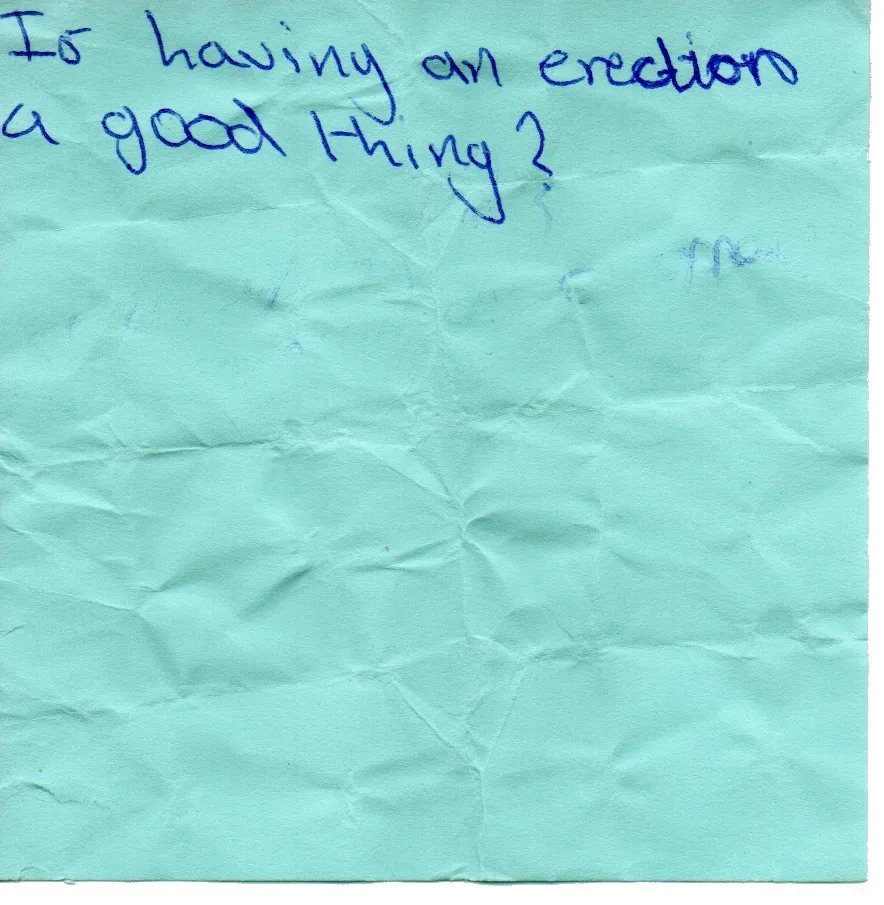
Is having an erection a good thing?
Read the answer -
 Puberty
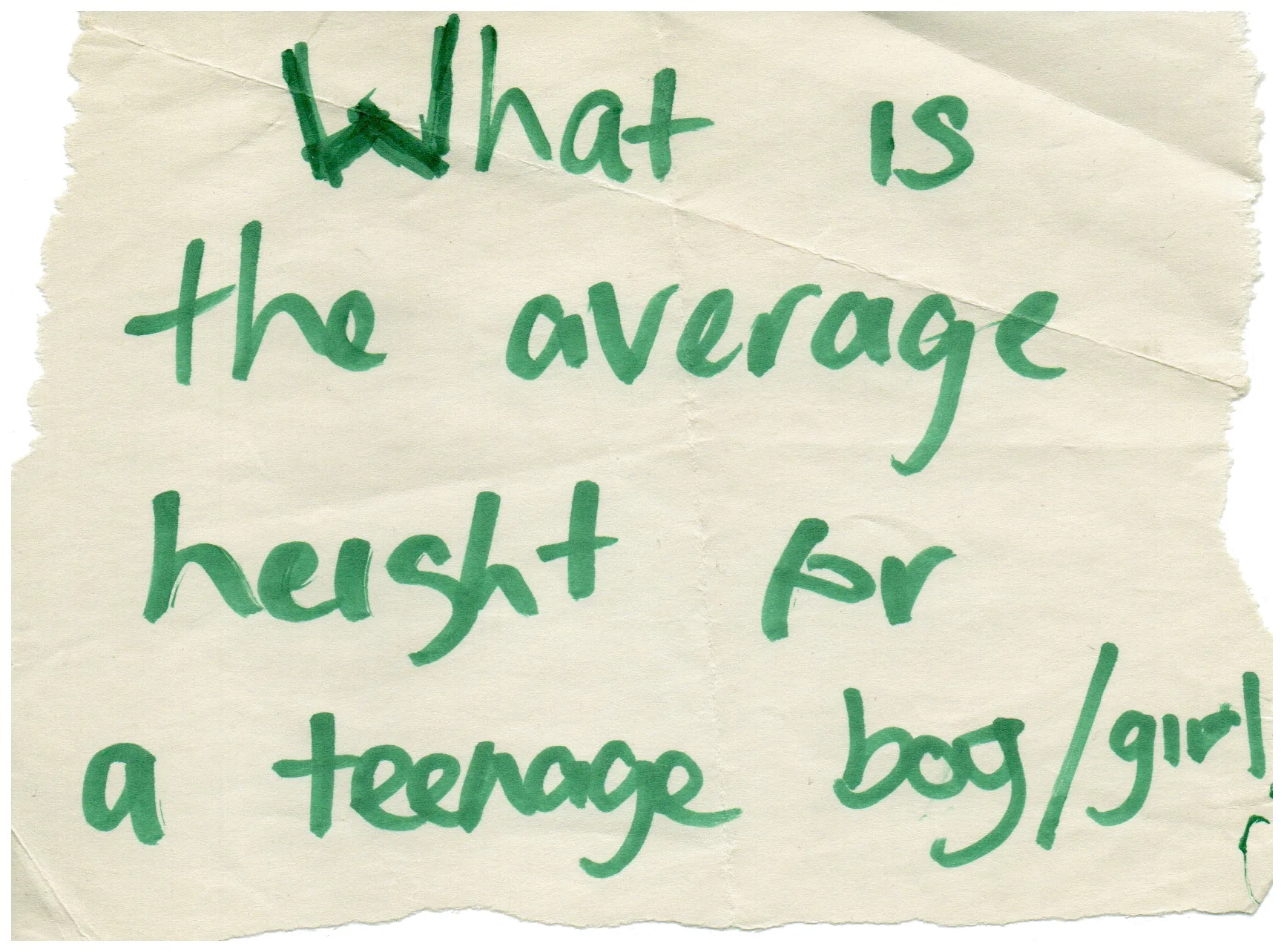
What is the average height for a teenage boy:girl?
Read the answer -
 Contraception & Pregnancy
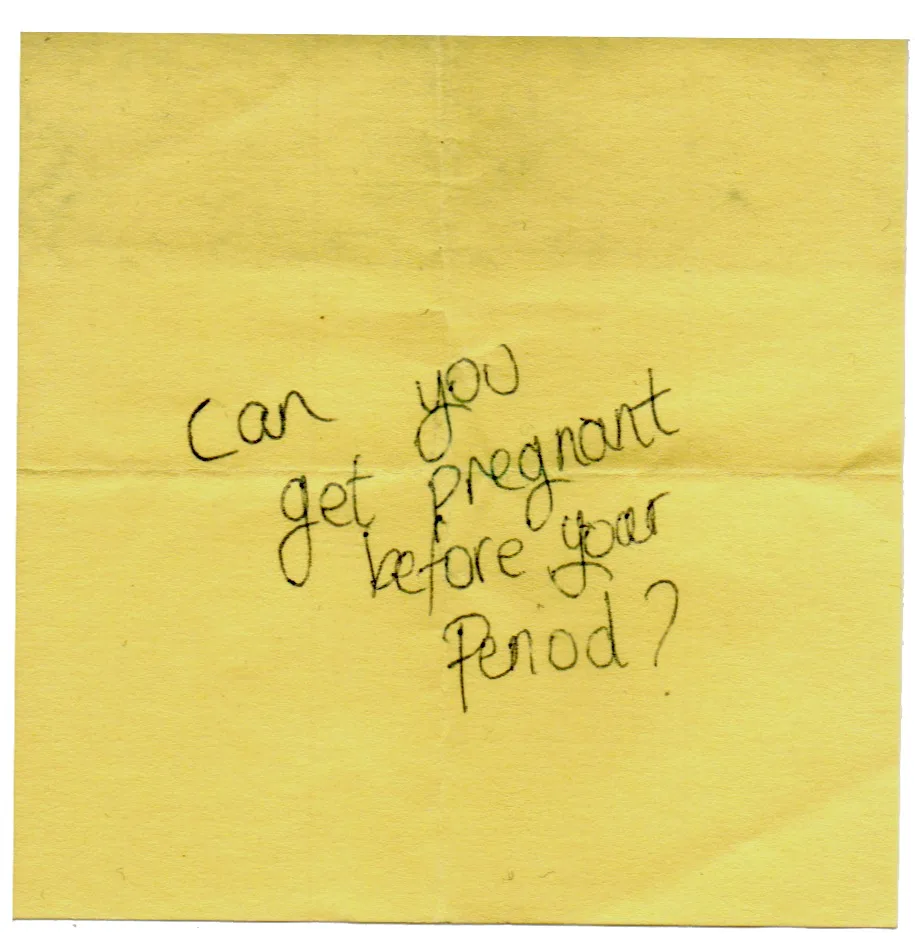
Can you get pregnant before your period?
Read the answer -
 Sex
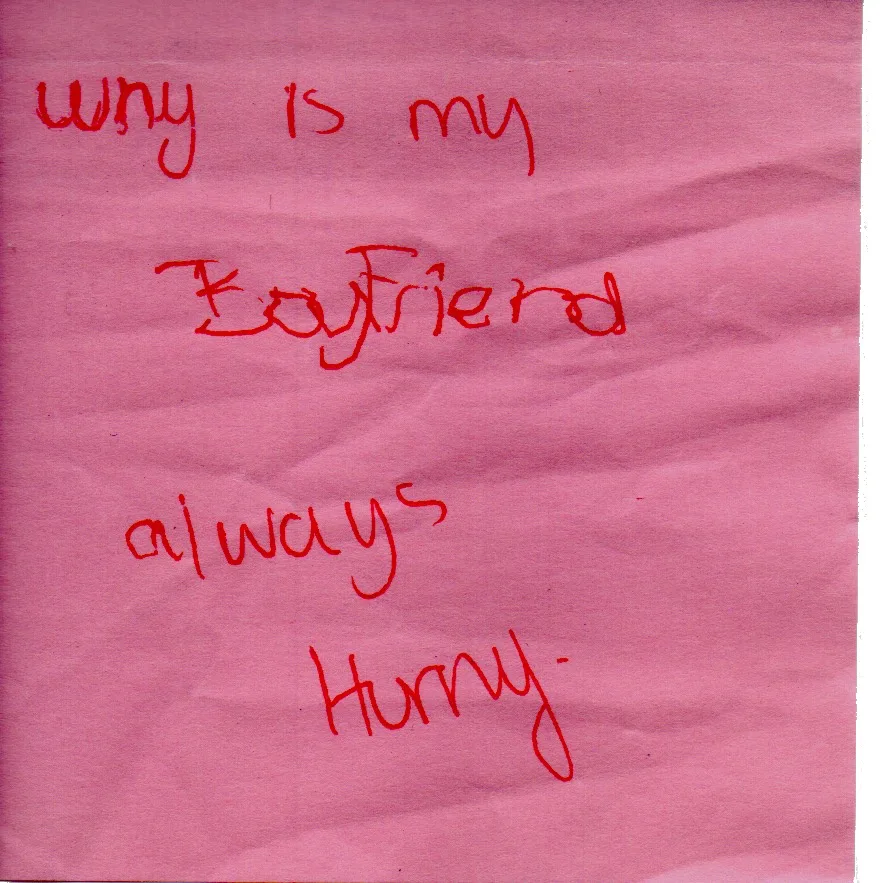
SexWhy is my boyfriend always horny?
Read the answer -
 Anatomy
How can I grow my penis?
Read the answer -
 Anatomy
How big is the average erect penis size?
Read the answer
Need to talk to someone?
- ChildlineAny issue affecting under-19s. Abuse, bullying, mental health, relationships, sexual health.