
Pulling out
Removing the penis from the vagina before ejaculation. Not a reliable method of contraception.
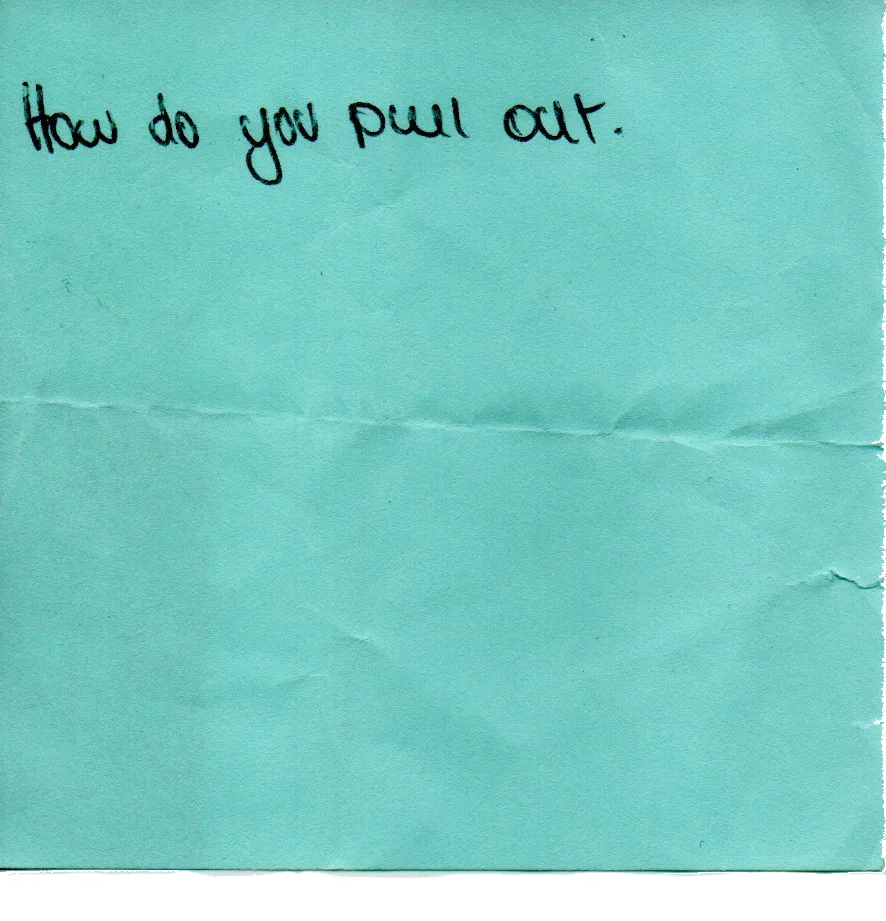
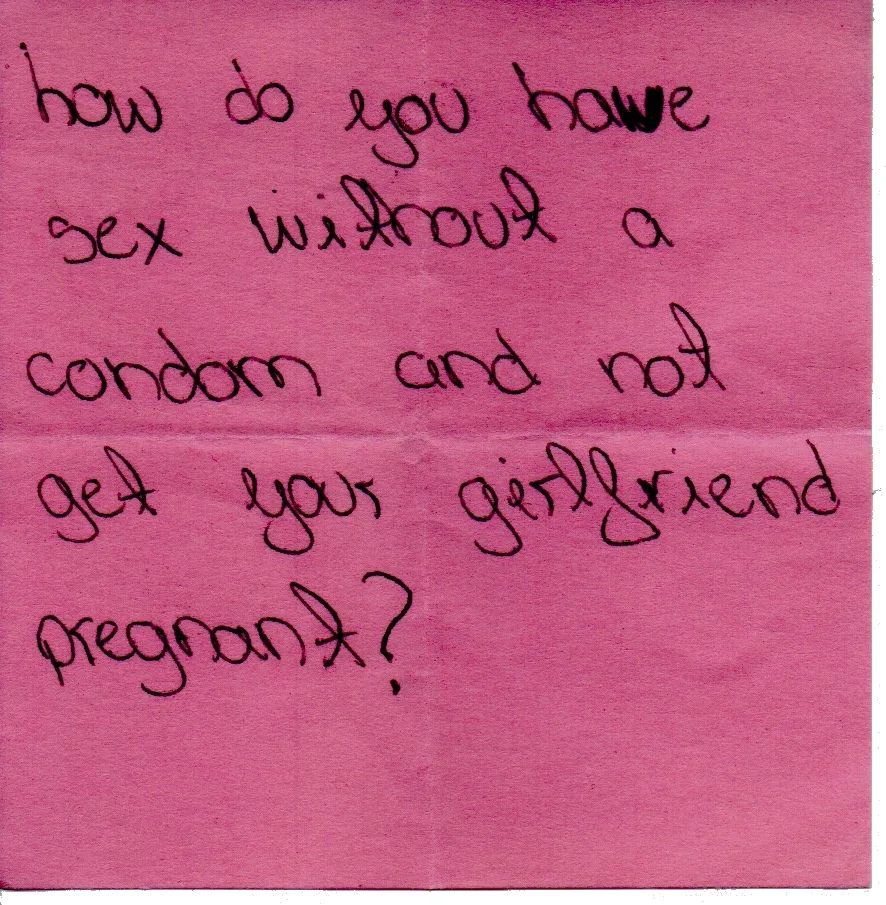
Pulling out means taking the penis out before finishing (ejaculating) during sex, to try to stop pregnancy. It's not very reliable. About 1 in 5 people using this method get pregnant within a year.
Pulling out (also called the withdrawal method) means removing the from the before , so doesn't enter the body. It's used by some people as a way to try to prevent . The problem is that it's not very reliable — about 1 in 5 people using this method will get within a year, and it doesn't protect against at all.
- Pulling out means withdrawing the penis before ejaculation during vaginal sex.
- With perfect use, it's about 96% effective. In typical (real-world) use, it's about 78% — meaning roughly 1 in 5 users get pregnant per year. [CHECK: current effectiveness figures]
- () can contain , which means pregnancy is possible even if the person pulls out in time.
- It requires a lot of self-control and timing — which is especially unreliable for younger or less experienced people.
- It offers zero protection against STIs.
Why people use it
Despite being unreliable, pulling out is one of the most commonly used "methods" — especially among young people. The reasons are practical: it costs nothing, needs no planning, doesn't require a prescription, and doesn't involve putting anything on or in the body. Some people use it because they don't have access to other in the moment, or because they think it's "good enough."
It's better than nothing — a couple using withdrawal consistently has a lower pregnancy risk than a couple using no method at all. But it's significantly less effective than , , or any other proper contraception method. Relying on it as your main approach is a gamble.
Why it fails
Pulling out fails for two main reasons:
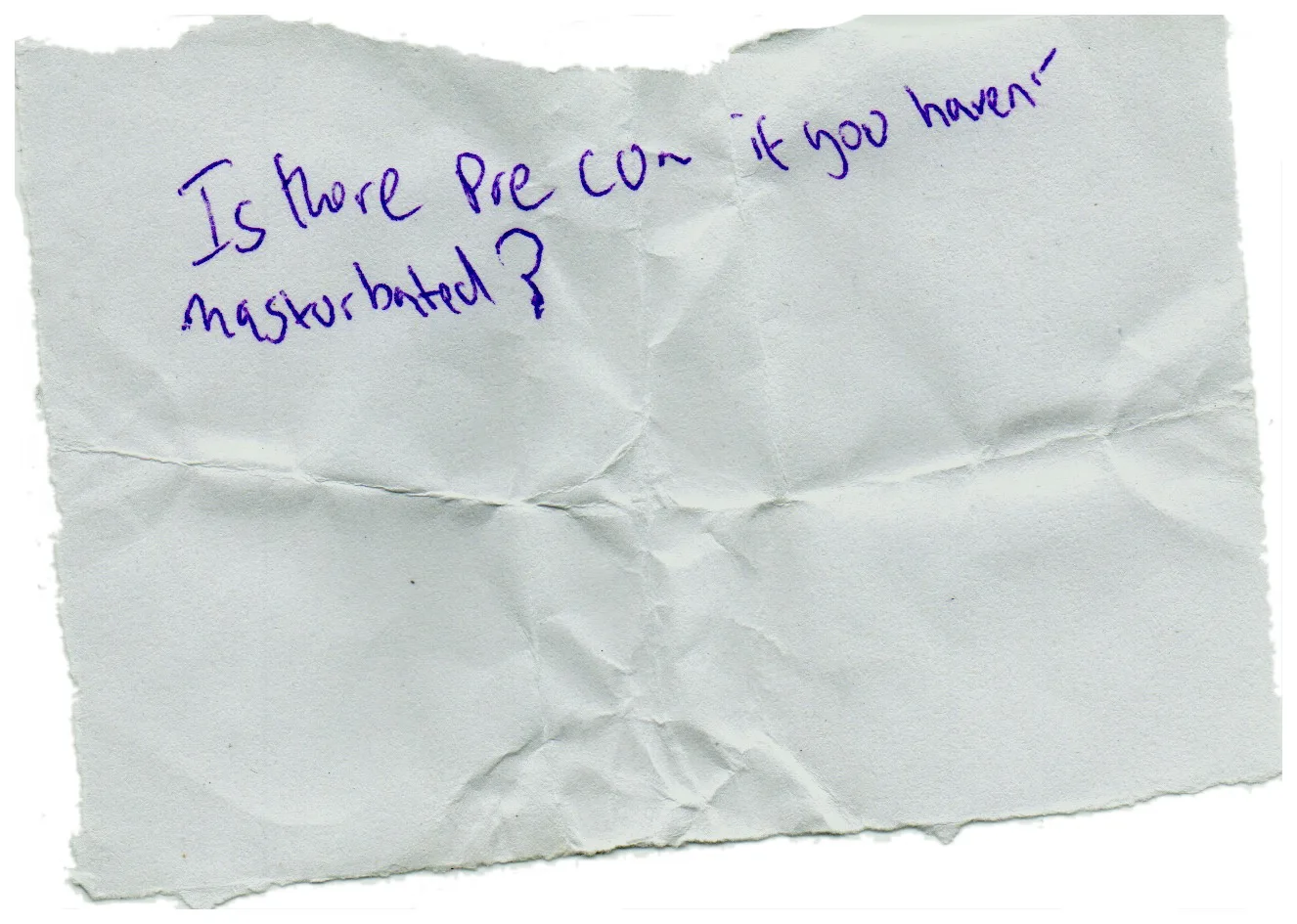
Pre-ejaculate can contain sperm. Before ejaculation, the penis releases pre-cum, which can carry sperm — especially if there's been a recent ejaculation and sperm are still in the . This means pregnancy is possible even if the person withdraws before they come.
Timing is hard. Ejaculation can happen faster than expected — especially with high , excitement, or inexperience. The "point of no return" comes quickly, and once it arrives, pulling out isn't possible. In the heat of the moment, self-control and timing aren't guaranteed.
What it doesn't do
Pulling out does nothing to prevent STIs. STIs are transmitted through skin-to-skin contact, pre-ejaculate, vaginal fluid, and other routes that aren't affected by whether ejaculation happens inside or outside the body. If STI protection matters (and it should), condoms are what you need.
Things people get wrong
"If I pull out in time, there's no risk of pregnancy." There is — because of pre-ejaculate, because timing isn't foolproof, and because "in time" is harder to judge than people think.
"It's a proper method of contraception." It's technically listed as a method, but no healthcare professional would recommend it as a primary option. Every other method is significantly more effective.
"I can always pull out — I have great self-control." Arousal affects judgement and reaction time. Even people who are confident in their self-control sometimes don't make it. And pre-cum is released before you even get to that point.
Things people ask about pulling out
Is pulling out better than nothing?
Yes — statistically, it's better than using nothing at all. But that's a low bar. Using a condom, the pill, or any other method is significantly more effective and also offers (in the case of condoms) STI protection.
Can I use pulling out alongside another method?
Some people use withdrawal as a backup alongside another method (like condoms or the pill) for extra reassurance. But if you're already using effective contraception, pulling out on top of that doesn't add much.
What if I pulled out but I'm worried I didn't do it in time?
If there's a risk of pregnancy, (the morning-after pill or emergency ) can help — the sooner the better. Get to a pharmacy, GP, or .
Why does anyone use this method if it's so unreliable?
Because it's free, always available, and doesn't require planning. Some people also prefer the sensation of sex without a condom. These are real reasons, even if they don't make pulling out a good idea as your only method.
Where to get help
- Pharmacies — for emergency contraception if pulling out didn't go to plan.
- Sexual health clinics — for free contraception, advice, and STI testing.
- Brook — contraception services and advice for under-25s.
Pulling out means taking the out of the body before ejaculating (finishing), so the fluid with in it doesn't go inside. Some people use it to try to prevent .
The problem is it doesn't work very well. About 1 in 5 people who rely on this method get within a year.
There are two main reasons it fails. First, clear fluid comes out of the penis before someone finishes, and this fluid can contain small amounts of sperm. So even if the person pulls out in time, pregnancy is still possible. Second, timing is hard. The point where you can't stop can come faster than expected, especially when you're excited or nervous.
Pulling out also does nothing to stop infections being passed on through sex. Infections spread through skin contact and body fluids that are already there during sex, not just through the fluid that comes out at the end.
It's better than using nothing at all, but every other method of birth control works much better. If you've relied on pulling out and you're worried it didn't work, you can get emergency birth control (the morning-after pill) from a pharmacy or clinic. The sooner the better.
Related terms
Need to talk to someone?
- ChildlineAny issue affecting under-19s. Abuse, bullying, mental health, relationships, sexual health.