
Pre-ejaculate
Clear fluid released from the penis during arousal, before ejaculation. Can contain small amounts of sperm.
Pre-ejaculate (pre-cum) is clear, slippery fluid that comes out of the penis when someone is turned on, before they finish. It can contain small amounts of sperm, so pregnancy is possible from it.
(usually called ) is clear, slippery fluid that comes out of the during sexual , before . It's produced by the and its main job is to prepare the for ejaculation — neutralising any leftover acidity from urine so have a better chance of surviving. You can't control it; it happens automatically when you're turned on.
- Pre-ejaculate is clear fluid released from the penis during arousal, before ejaculation.
- It's produced by the Cowper's glands, not the .
- It can contain small amounts of sperm — which is why isn't reliable .
- The amount varies a lot from person to person. Some produce a noticeable amount, others barely any.
- It can also transmit , just like .
What it does
The urethra carries both urine and semen at different times. Urine is acidic, and sperm don't do well in acidic conditions. Pre-ejaculate is slightly alkaline, so it flushes out and neutralises the leftover acidity in the urethra, giving sperm a better survival environment when ejaculation happens. It also acts as a natural .
You might notice a small amount of clear, slippery fluid at the tip of the penis during arousal — that's pre-ejaculate. It's involuntary; it happens on its own and you can't stop it or choose when it appears.
The pregnancy question
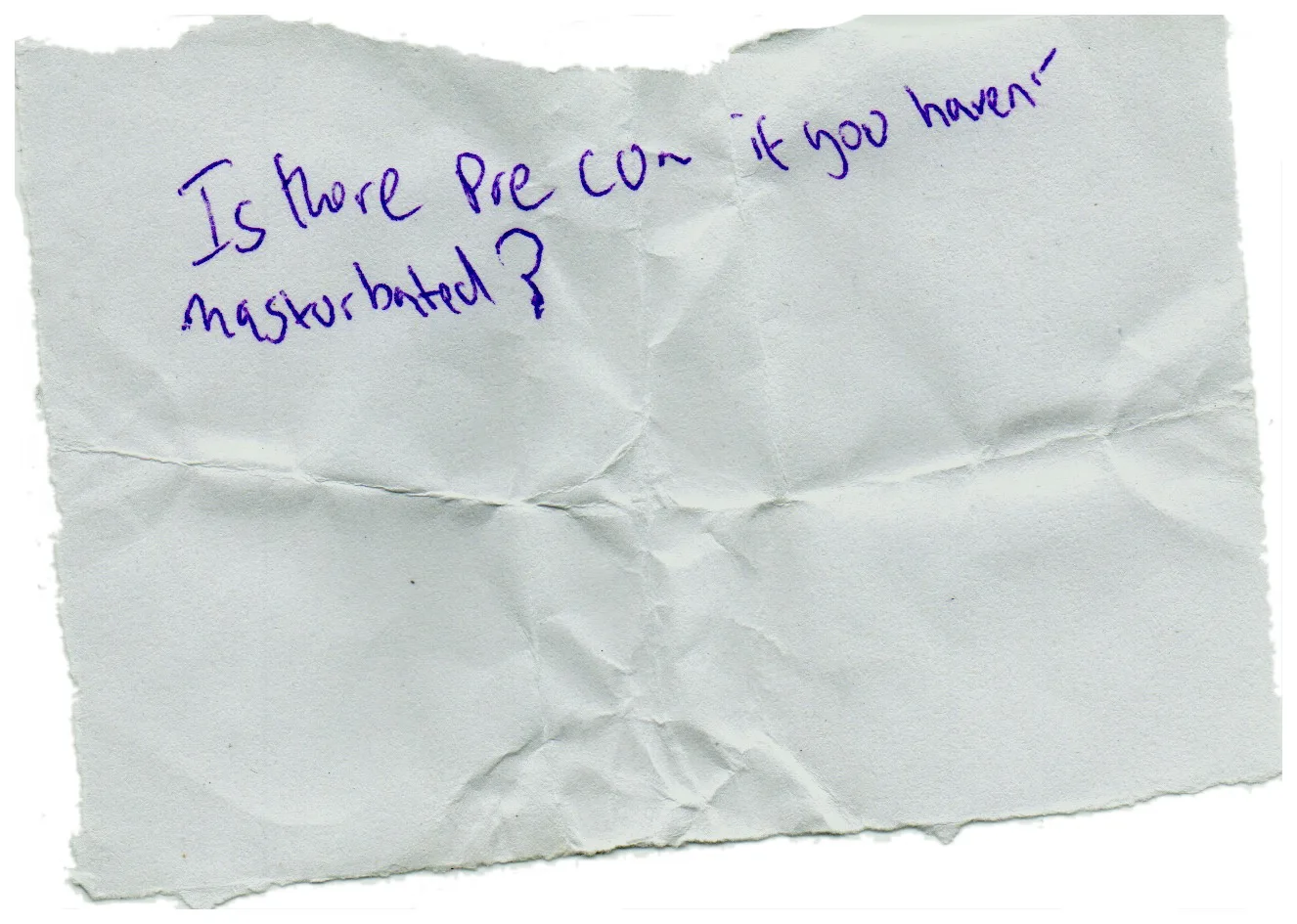
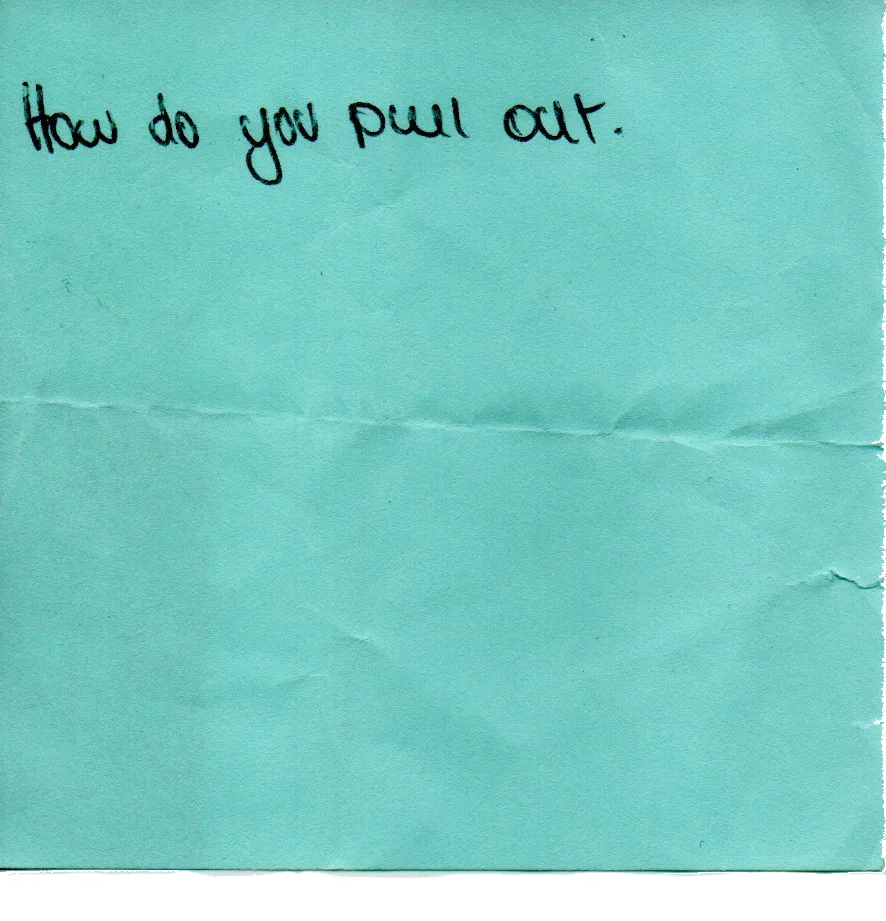
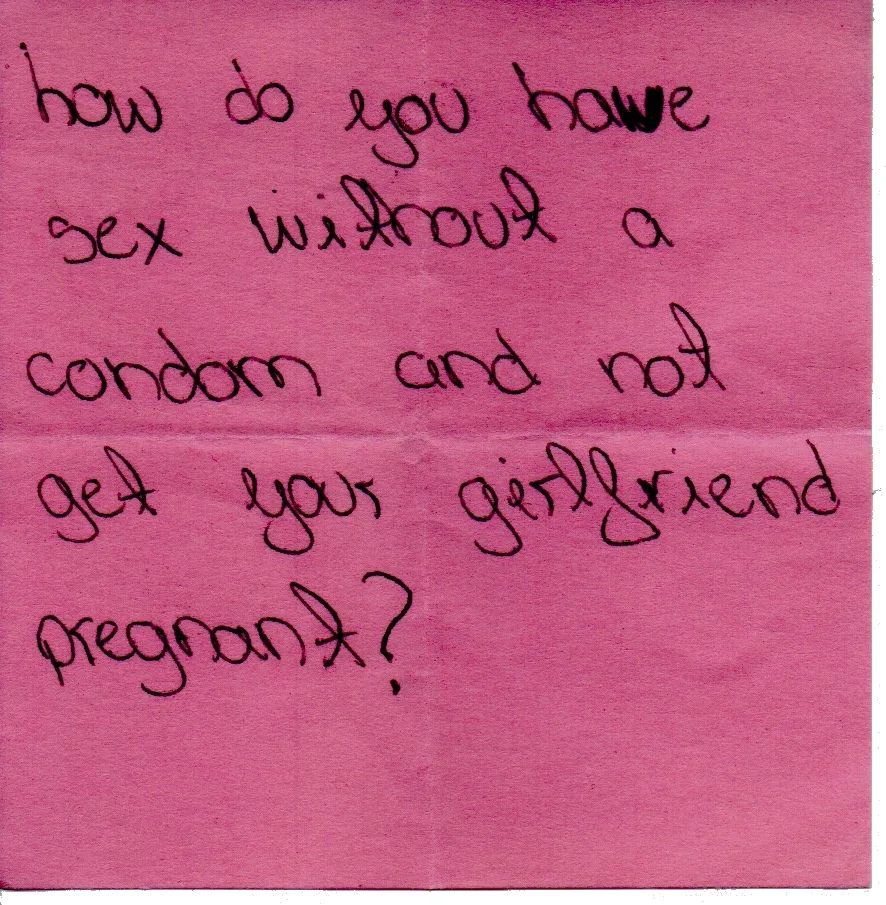
This is the big one: can pre-cum get someone ? The answer is yes, it's possible. Research has found that pre-ejaculate can sometimes contain sperm — particularly if there's been a recent ejaculation and some sperm are still in the urethra. This is one of the main reasons why the withdrawal method (pulling out before ejaculation) isn't considered reliable contraception.
The risk from pre-ejaculate alone is lower than from full ejaculation, but it's not zero. If avoiding matters, use a proper method of contraception rather than relying on pulling out.
STI transmission
Pre-ejaculate can carry sexually transmitted infections in the same way semen can — including , , and . This is why should be put on before any genital contact, not just before ejaculation. Waiting until the last moment means pre-ejaculate has already been in contact with the other person.
Things people get wrong
"Pre-cum can't get you pregnant." It can. The risk is lower than from ejaculation, but sperm can be present in pre-ejaculate, especially if there's been a recent ejaculation.
"You can feel it coming and control it." You can't. Pre-ejaculate is released automatically during arousal. There's no way to hold it back or time it.
"It's the same as semen." It's not. Semen is thicker, white or grey, and contains a high concentration of sperm. Pre-ejaculate is clear, thinner, and produced by different glands. But it can pick up sperm left in the urethra from a previous ejaculation.
Things people ask about pre-ejaculate
Is it normal to produce a lot of pre-cum?
Yes. The amount varies hugely from person to person. Some produce enough to notice, others barely any. Both are normal.
Does peeing before sex reduce the sperm in pre-cum?
Possibly — urinating may flush out some leftover sperm from the urethra. But it's not a reliable contraceptive strategy. Use actual contraception.
Can you get an STI from pre-cum?
Yes. Pre-ejaculate can carry infections. This is why condoms should go on before any genital contact, not just before ejaculation.
, usually called , is a clear, slippery fluid that comes out of the tip of the when someone is sexually excited. It comes out before the main fluid () and it happens on its own — you can't control it.
Its main job is to clean out the tube inside the penis and make conditions better for when they come through later.
The important thing to know is that pre-cum can sometimes contain small amounts of sperm. That means is possible from it, even if the person pulls out before they finish. The risk is lower than from the full amount of fluid, but it's not zero. That's one of the main reasons isn't a reliable way to stop pregnancy.
Pre-cum can also carry infections that are passed on through sex. That's why a should go on before any contact between private parts, not just before someone finishes.
The amount of pre-cum varies a lot from person to person. Some people make a noticeable amount, others barely any. Both are normal.
Related terms
Need to talk to someone?
- ChildlineAny issue affecting under-19s. Abuse, bullying, mental health, relationships, sexual health.
For Teachers