
HPV
Human papillomavirus. The most common STI globally. Some strains cause genital warts, others are linked to cancer. A vaccine is available.
HPV is the most common infection passed on through sex. Most types are harmless and your body gets rid of them on its own. Some types can cause genital warts. A few types can lead to cancer. There's a vaccine given in schools to protect against it.
HPV stands for human papillomavirus. It's the most common sexually transmitted infection in the world — most sexually active people will come into contact with it at some point. There are over 100 strains of HPV. Most are harmless and your body clears them on its own, but some strains cause and others are linked to cancers, including cervical cancer. There's a vaccine that protects against the most dangerous strains, and it's offered to all young people in UK schools.
- HPV is the most common globally — most people encounter it at some point.
- There are over 100 strains. Most are harmless and clear on their own.
- Low-risk strains (mainly 6 and 11) cause genital warts.
- High-risk strains (mainly 16 and 18) can cause cervical cancer and other cancers.
- The HPV vaccine (offered in Year 8 in UK schools) protects against both types.
[DIAGRAM: Infographic showing HPV facts: how it spreads, link to genital warts and cervical cancer, vaccination timeline]
How it spreads
HPV is passed on through skin-to-skin contact during sexual activity — vaginal, anal, and , as well as genital touching and . You don't need penetrative sex to catch it. reduce the risk but can't fully prevent it, because HPV can live on skin that condoms don't cover.
Because HPV is so common and usually has no symptoms, most people who carry it don't know they have it. Your immune system usually clears the virus within 1-2 years without you ever being aware of it.
The two things it can cause
Genital warts — caused by low-risk strains (mainly HPV 6 and 11). These are fleshy bumps that appear on or around the genitals or . They're treatable but can come back. They don't cause cancer.
Cancer — caused by high-risk strains (mainly HPV 16 and 18). These strains can cause cell changes that, if left unchecked over many years, can develop into cancer. The most common is cervical cancer, but HPV can also cause cancers of the throat, anus, , , and . This is a slow process — it usually takes 10-20 years from infection to cancer, and screening (like cervical smear tests) catches the cell changes long before that point.
It's important to understand that having HPV doesn't mean you'll get cancer. Most people clear the virus. The high-risk strains only cause problems when the infection persists for years without the immune system clearing it.
The vaccine
The HPV vaccine is one of the most effective cancer-prevention tools that exists. In the UK, it's offered to all Year 8 students (age 12-13), regardless of gender. The vaccine currently used is Gardasil 9, which protects against nine strains of HPV — including the ones that cause most genital warts and most HPV-related cancers. [CHECK: current vaccine and dosing schedule]
The vaccine works best when given before any exposure to HPV, which is why it's offered at 12-13 — before most people are sexually active. If you missed it at school, you can still get it for free on the NHS up to age 25. [CHECK: current catch-up age limit]
Since the vaccine was introduced in the UK, rates of cervical cancer in young women have dropped dramatically. It's one of the most successful vaccination programmes in the world.
Things people get wrong
"HPV is rare." It's the opposite — it's the most common STI in the world. Most sexually active people will get it at some point.
"HPV always causes problems." Most strains cause no symptoms at all and are cleared by the immune system. Only a small number of strains cause warts or cancer.
"Only women need the vaccine." The vaccine is given to all genders in the UK. HPV causes cancers in people of all genders, and vaccinating everyone reduces transmission for the whole population.
"If I've had the vaccine, I can't get HPV." The vaccine protects against the most important strains but not all 100+. You can still get other strains. But you're protected against the ones most likely to cause serious problems.
Things people ask about HPV
If most people get HPV, what's the point of worrying about it?
Because while most HPV infections are harmless, the ones that aren't can cause cancer. The vaccine prevents the dangerous strains, and cervical screening catches problems early. It's about reducing a small but real risk.
Can I get tested for HPV?
There's no routine HPV test for young people. HPV testing is done as part of cervical screening (smear tests), which starts at age 25 in the UK. There's no blood test for HPV, and there's no standard test for people with a penis.
I missed the vaccine at school. Can I still get it?
Yes. The NHS offers catch-up vaccination for free up to age 25. Contact your GP or a . [CHECK: current catch-up availability]
Does HPV go away?
In most cases, yes. The immune system clears the virus within 1-2 years. It's only when certain high-risk strains persist for many years that problems can develop — and that's what screening is designed to catch.
Where to get help
- Your GP or school nurse — for HPV vaccination if you've missed it, or questions about HPV.
- Jo's Cervical Cancer Trust — information about HPV, cervical screening, and cervical cancer.
- Sexual health clinics — for genital wart treatment and sexual health advice.
HPV stands for human papillomavirus. It's the most common infection passed on through sex in the world. Most people who are sexually active will come into contact with it at some point.
There are over 100 types of HPV. Most of them are harmless. Your body fights them off on its own within a year or two, and you usually never know you had it.
Some types cause small bumps on the private parts or bum called . These can be treated.
A few types can cause cancer, most commonly cancer of the (the opening to the womb). But this takes many years to develop, and checks done by doctors can catch the warning signs long before cancer starts.
HPV spreads through skin touching skin during sexual activity. You don't need full sex to catch it. help lower the risk but can't stop it completely, because the virus lives on skin that condoms don't cover.
The HPV vaccine is given in schools around age 12-13 to both boys and girls. It protects against the types most likely to cause warts and cancer. Since the vaccine was introduced, rates of cervical cancer in young women have dropped a lot.
If you missed the vaccine at school, you can still get it for free up to age 25.
Related terms
Questions about this
-
 Sexual Health
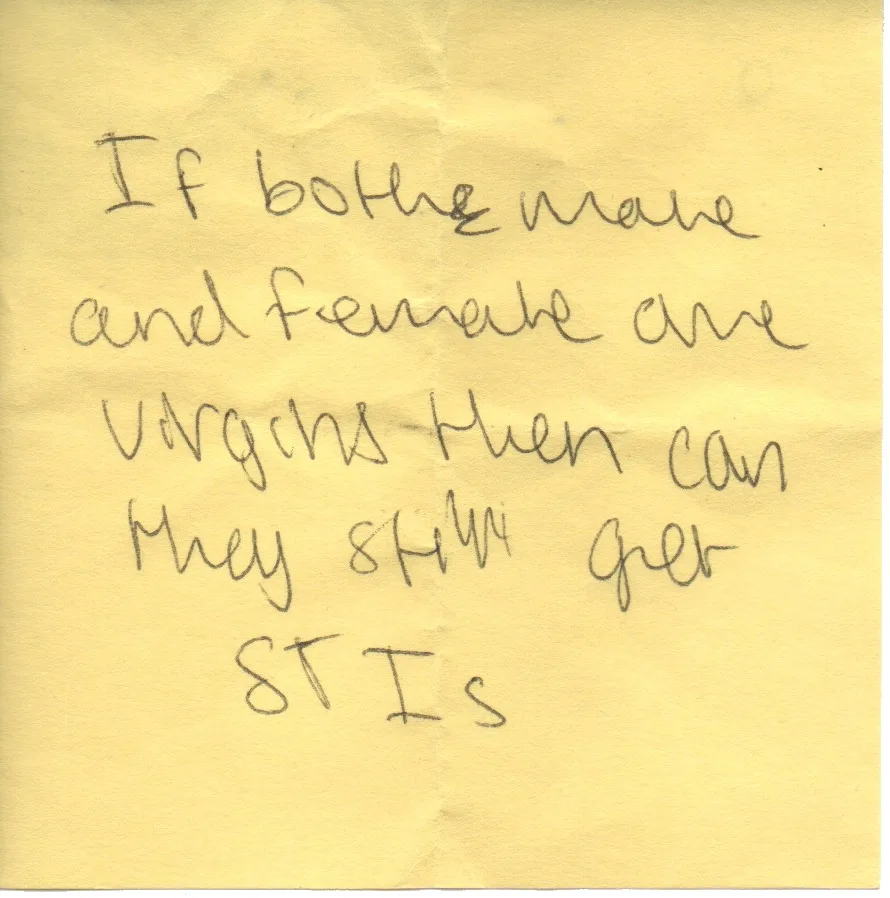
If both male and female are virgins can they still get STIs?
Read the answer -
 Sexual Health
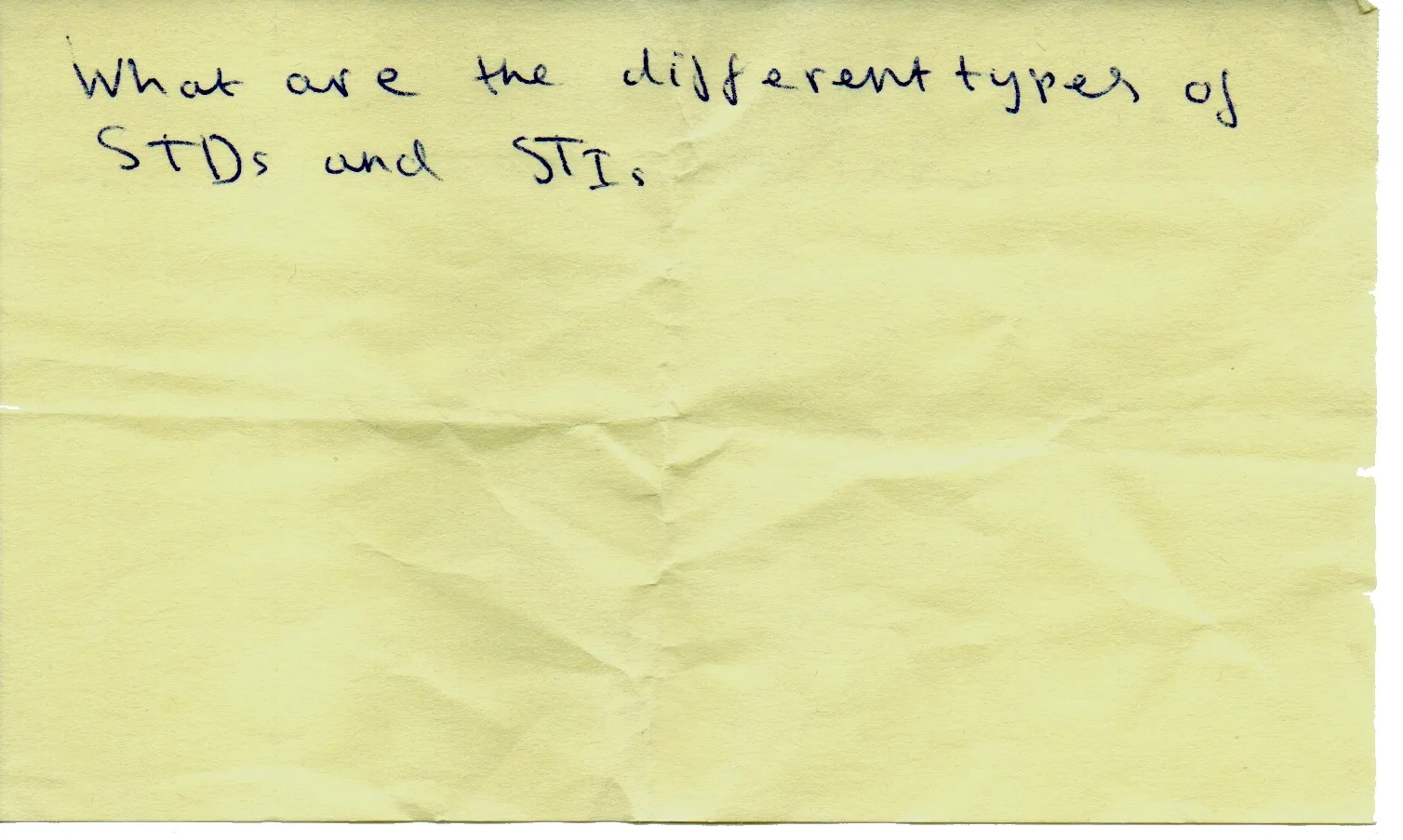
What are the different types of STI?
Read the answer -
 Sexual Health
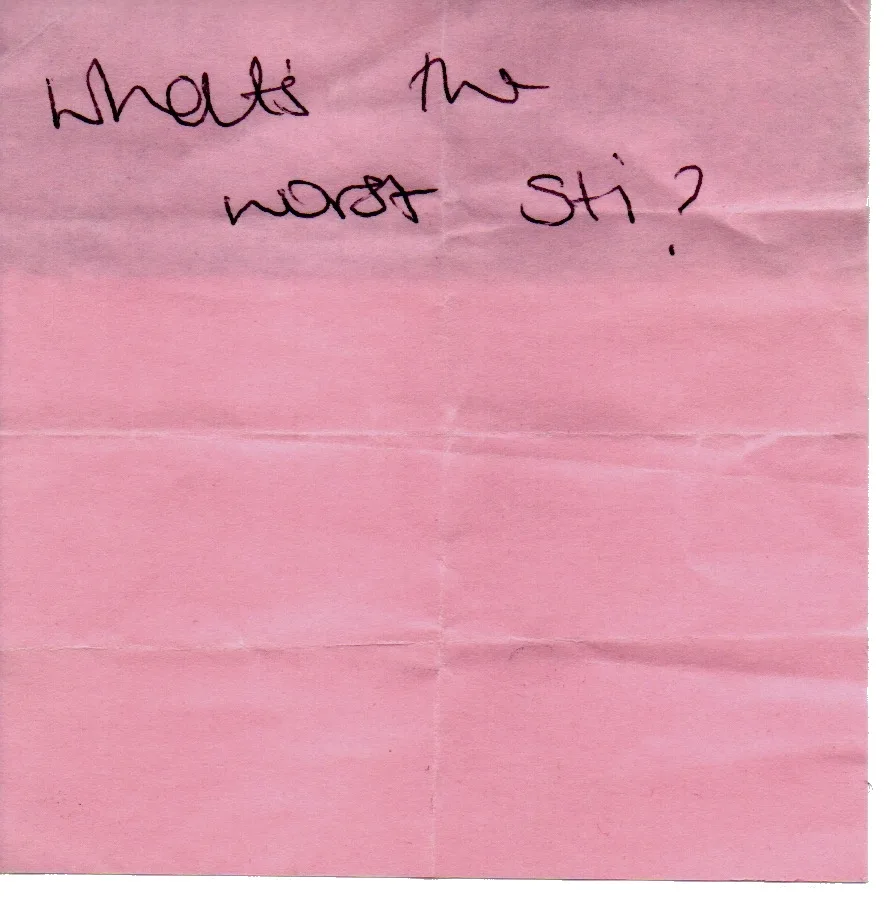
What's the worst STI?
Read the answer -
 Sexual Health
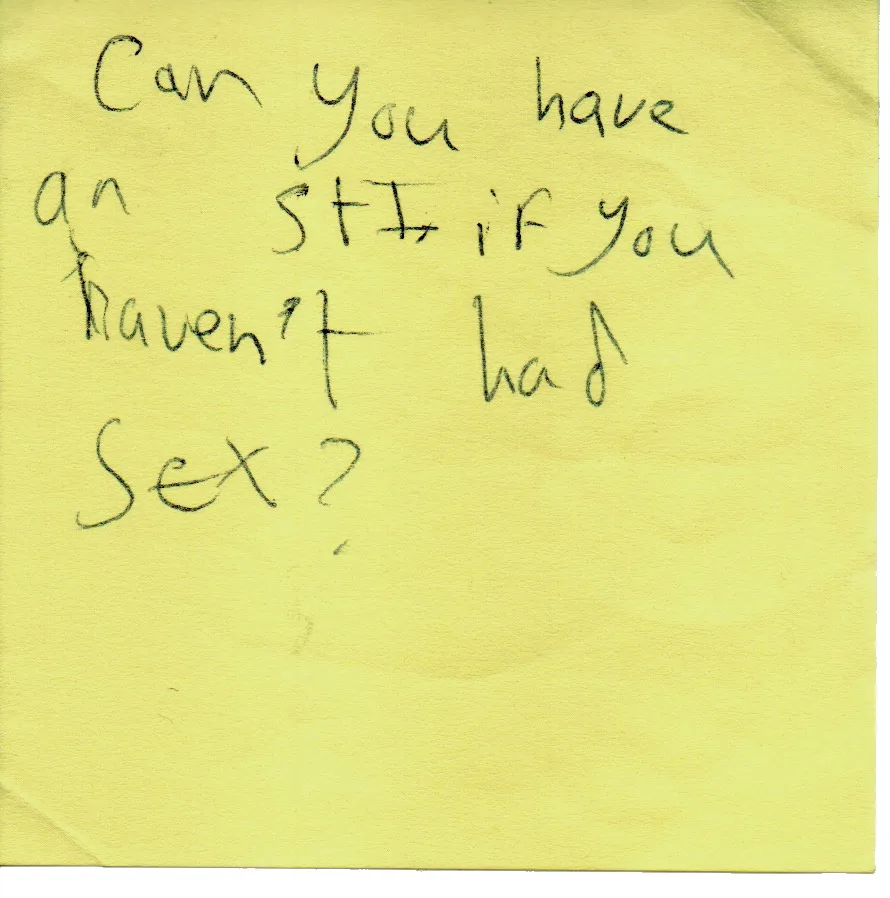
Can you have an STI if you haven't had sex?
Read the answer -
 Sexual Health
What's the most common STI/STD?
Read the answer -
 Sex
SexIs oral sex safe?
Read the answer
Need to talk to someone?
- ChildlineAny issue affecting under-19s. Abuse, bullying, mental health, relationships, sexual health.