
Herpes
A viral infection causing sores or blisters. HSV-1 typically causes cold sores, HSV-2 causes genital herpes. Can't be cured but can be managed.
Herpes is a very common virus that causes sores or blisters. One type usually appears around the mouth (cold sores). The other type usually appears around the private parts. It can't be cured but it can be managed.
Herpes is a very common viral infection caused by the herpes simplex virus (HSV). There are two types: HSV-1, which usually causes around the mouth, and HSV-2, which usually causes sores around the genitals. Both types can affect either area. Herpes can't be cured, but outbreaks can be managed, and for most people it's a minor, manageable condition — despite the stigma around it.
- Herpes is caused by two types of virus: HSV-1 (usually oral) and HSV-2 (usually genital).
- It's incredibly common — the majority of people carry HSV-1, and about 1 in 10 people in the UK have genital herpes. [CHECK: current UK prevalence]
- It spreads through skin-to-skin contact, including kissing and sexual contact.
- There's no cure, but antiviral medication can reduce outbreaks and symptoms.
- The stigma around herpes is wildly out of proportion to the actual medical reality.
The two types
HSV-1 is the virus that usually causes cold sores — blisters on or around the lips. Most people pick it up as children from non-sexual contact like a kiss from a family member. HSV-1 can also cause genital herpes if it's transferred to the genitals through .
HSV-2 usually causes genital herpes — sores or blisters around the genitals or . It's mainly spread through vaginal, anal, or oral sex. HSV-2 is less common than HSV-1, but still very widespread.
Both types cause similar symptoms — painful blisters or sores that crust over and heal within 1-3 weeks. The first outbreak is usually the worst. After that, the virus stays in the body and can reactivate from time to time, causing further outbreaks — though these tend to be milder and less frequent over the years. Some people have one outbreak and never have another.
How it spreads
Herpes is passed through direct skin-to-skin contact with an infected area. The risk is highest when sores are visible, but the virus can also be passed on when there are no symptoms at all — this is called shedding. reduce the risk but don't eliminate it completely, since the virus can live on skin that condoms don't cover.
HSV-1 can be passed to the genitals through oral sex (giving someone oral sex while you have a cold sore). This is actually one of the most common ways people get genital herpes now.
The stigma problem
The stigma around herpes is enormous — and completely disproportionate to the reality. Most of the population carries HSV-1 (cold sores), and nobody bats an eyelid about that. But the moment the same virus is on someone's genitals, it's suddenly treated as shameful or disgusting. Medically, they're the same virus.
A genital herpes diagnosis can feel devastating because of this stigma, not because of the actual condition. For most people, herpes is an occasional mild inconvenience. The emotional impact of the diagnosis is usually far worse than the physical reality.
Treatment
There's no cure for herpes, but antiviral medication (usually aciclovir or valaciclovir) can:
- Shorten and reduce the severity of outbreaks
- Be taken daily to suppress the virus and reduce the chance of passing it on
- Make outbreaks less frequent over time
Many people with herpes rarely or never need medication because their outbreaks are infrequent or mild.
Things people get wrong
"Herpes means your sex life is over." It absolutely doesn't. Most people with herpes have normal, healthy sex lives. Many people in relationships where one partner has herpes and the other doesn't manage it successfully with communication, medication, and condoms.
"You can only get it when someone has visible sores." The risk is highest during an outbreak, but asymptomatic shedding means the virus can be passed on even when no sores are present.
"Herpes is rare." It's one of the most common infections in the world. Most people carrying HSV-1 don't even know it. Genital herpes (HSV-2) affects roughly 1 in 10 people in the UK. [CHECK]
"Cold sores and genital herpes are completely different things." They're caused by closely related viruses (HSV-1 and HSV-2) and can both appear in either location. A cold sore on the mouth can give someone genital herpes through oral sex.
Things people ask about herpes
How do I know if I have it?
If you have painful blisters or sores on your genitals, mouth, or anus, get checked at a . They can test by swabbing a sore. Blood tests for herpes exist but aren't always reliable and aren't routinely offered in the UK. [CHECK: current NHS testing policy]
Do I have to tell partners?
If you have genital herpes, telling sexual partners is the right thing to do so they can make informed decisions. It's a difficult conversation, but most people handle it better than you'd expect. A sexual health clinic can give advice on how to approach it.
Can I give someone genital herpes from a cold sore?
Yes — through oral sex. If you have an active cold sore, avoid oral sex until it's fully healed.
Will outbreaks happen forever?
For most people, outbreaks become less frequent and less severe over time. Some people stop having them altogether after the first year or two.
Where to get help
- Sexual health clinics (GUM clinics) — free testing, diagnosis, and treatment.
- Herpes Viruses Association — UK-based support and information specifically for people with herpes. Runs a helpline.
- Your GP — can prescribe antiviral medication and offer advice.
Herpes is a very common virus. There are two types. One mainly causes — blisters around the mouth. The other mainly causes blisters around the private parts or bum. Both types can appear in either place.
Most people catch the mouth type as children, usually from a kiss from a family member. The genital type is usually caught through sex. You can also get the mouth type on the private parts if someone gives while they have a cold sore.
Herpes spreads through skin touching skin. The risk is highest when there are visible sores, but it can sometimes spread even when there's nothing to see.
Once you have the virus, it stays in your body. Most of the time it does nothing. But sometimes it wakes up and causes an outbreak of sores. The first time is usually the worst. After that, outbreaks tend to get milder and happen less often. Some people only ever get one.
There's no cure, but medicine can make outbreaks shorter, less painful, and less frequent.
Herpes gets a lot of shame and stigma, but it's actually a very minor condition for most people. Cold sores are herpes too, and almost nobody thinks twice about those. The emotional worry about having it is usually much worse than the actual thing itself.
help reduce the risk but can't stop it completely, because the virus lives on skin that a condom doesn't cover.
Related terms
Questions about this
-
 Sexual Health
Can an STI go away if you have it?
Read the answer -
 Sex
SexWhat is oral sex?
Read the answer -
 Sexual Health
Where do STIs come from?
Read the answer -
 Sexual Health
If both male and female are virgins can they still get STIs?
Read the answer -
 Sexual Health
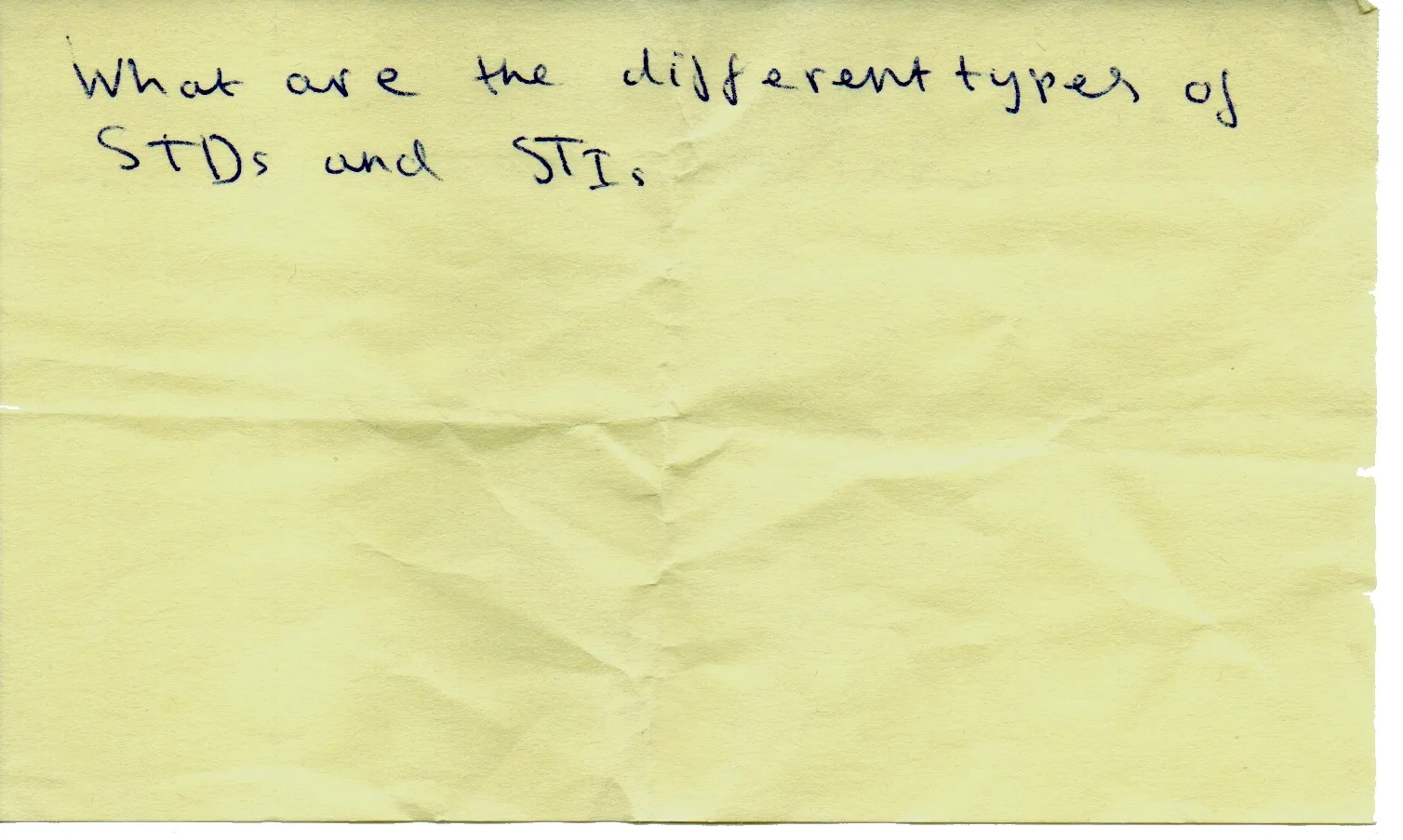
What are the different types of STI?
Read the answer -
 Sexual Health
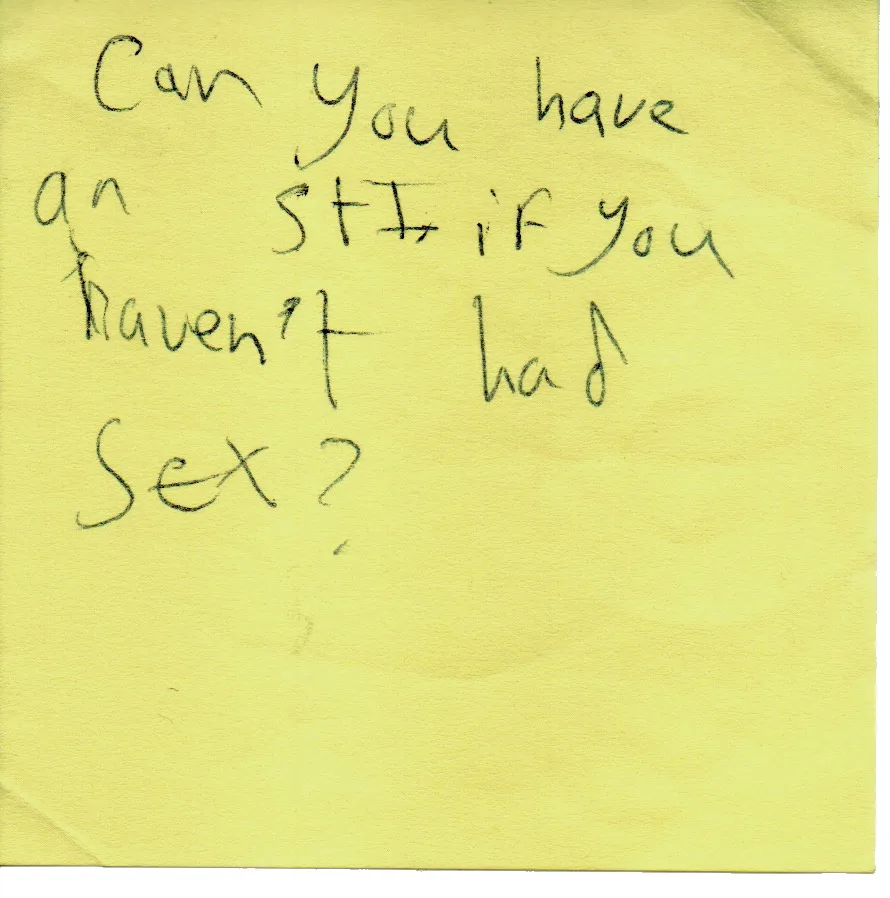
Can you have an STI if you haven't had sex?
Read the answer
Need to talk to someone?
- ChildlineAny issue affecting under-19s. Abuse, bullying, mental health, relationships, sexual health.