
Fertility
The ability to conceive children. Affected by age, health, hormones, and other factors.
Fertility is the ability to have children. It depends on things like age, health, and hormones. Some things, like untreated infections from sex, can make it harder to have children later.
Fertility is the ability to conceive a child — to get or to get someone else pregnant. It depends on lots of things: age, general health, , and whether the reproductive system is working as it should. Most people don't know much about their own fertility until they actually try to have a baby.
- Fertility means the ability to reproduce — to create a .
- It's affected by age, health, hormones, weight, stress, and more.
- Untreated (especially and ) are one of the biggest preventable causes of fertility problems.
- Fertility isn't something most young people need to worry about right now, but understanding it helps you protect it.
- Infertility means difficulty conceiving — it's more common than people think, affecting roughly 1 in 7 couples. [CHECK: current UK stat]
How fertility works
For pregnancy to happen, you need a few things to line up: an needs to be released (), need to reach it (usually through sex), and the fertilised egg needs to in the . If any part of this chain doesn't work — no ovulation, blocked , low sperm count, problems with implantation — then pregnancy becomes harder or doesn't happen.
For people with , fertility is linked to the . An egg is released roughly once a month, and there's a of about six days per cycle when pregnancy is possible. For people with testes, sperm are produced continuously from onwards, so fertility doesn't follow a monthly cycle in the same way.
What affects it
Lots of things influence fertility:
- Age — fertility declines with age, more sharply for people with ovaries (egg quality and quantity decrease, especially after the mid-30s). People with testes also see a gradual decline but over a longer timeframe.
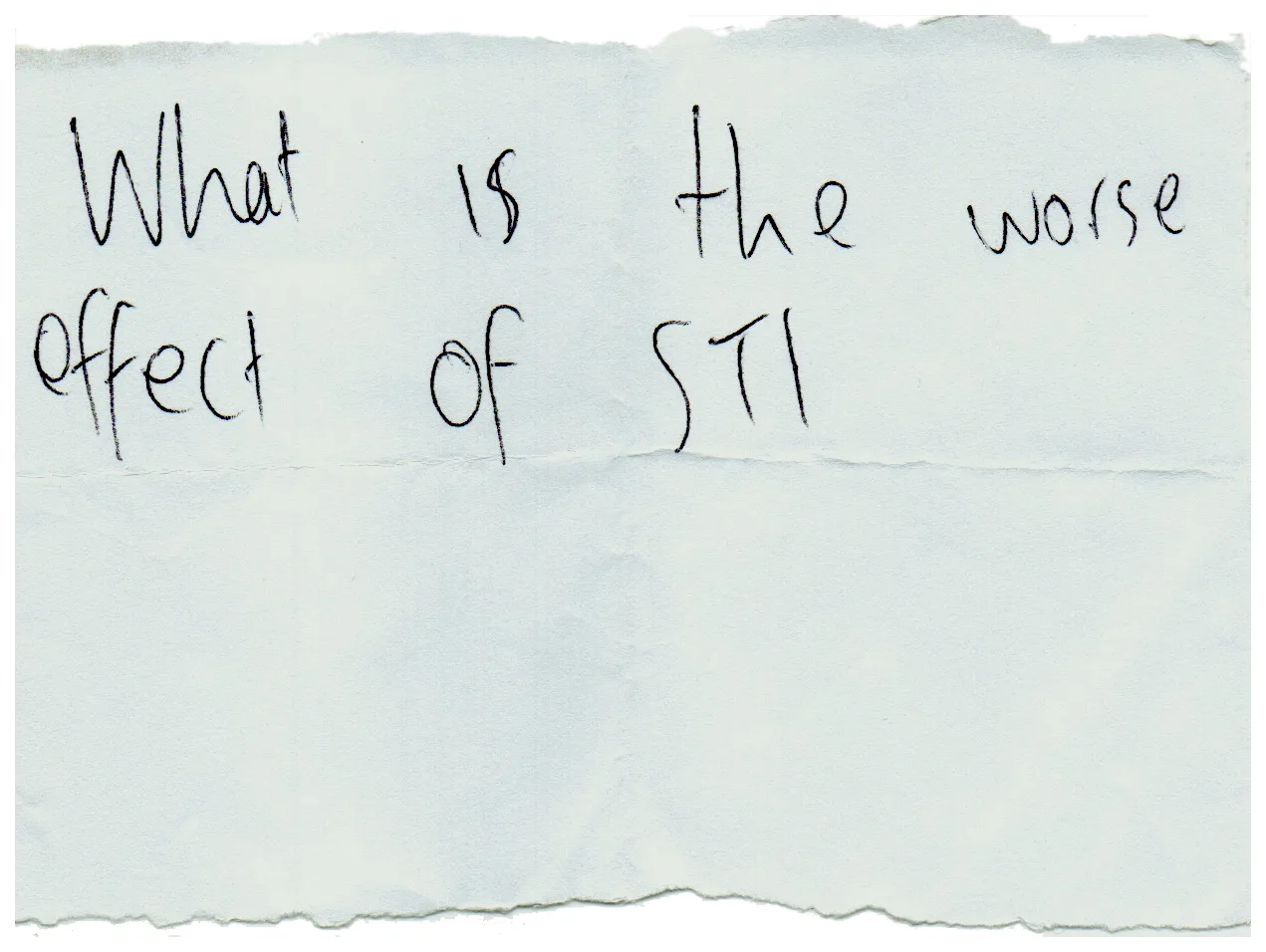
- STIs — untreated chlamydia and gonorrhoea can cause pelvic inflammatory disease, which can scar and block the fallopian tubes. This is one of the most common preventable causes of fertility problems — and a major reason why regular STI testing matters.
- General health — conditions like PCOS (polycystic ovary syndrome) and endometriosis can affect fertility. Extreme weight loss or gain, excessive exercise, and high stress can also disrupt ovulation.
- Lifestyle — smoking, heavy alcohol use, and some recreational drugs can reduce fertility in all genders.
- Hormones — the whole system depends on hormones working in balance. Conditions that disrupt hormones can affect the ability to conceive.
Why it matters now
You probably aren't thinking about having a baby right now, and that's fine. But some of the things that affect fertility later in life are happening now. Getting tested and treated for STIs protects your future fertility. Understanding how your menstrual cycle works helps you notice if something seems off. Knowing that prevents pregnancy but doesn't damage your fertility means you can use it without worry.
Things people get wrong
"Contraception damages your fertility." It doesn't. Hormonal contraception (, implant, , etc.) doesn't affect your ability to get pregnant once you stop using it. Fertility returns — sometimes very quickly.
"If you can get your , you're definitely fertile." Having periods is a good sign, but it doesn't guarantee fertility. Issues like blocked tubes or problems with egg quality wouldn't necessarily show up in your cycle.
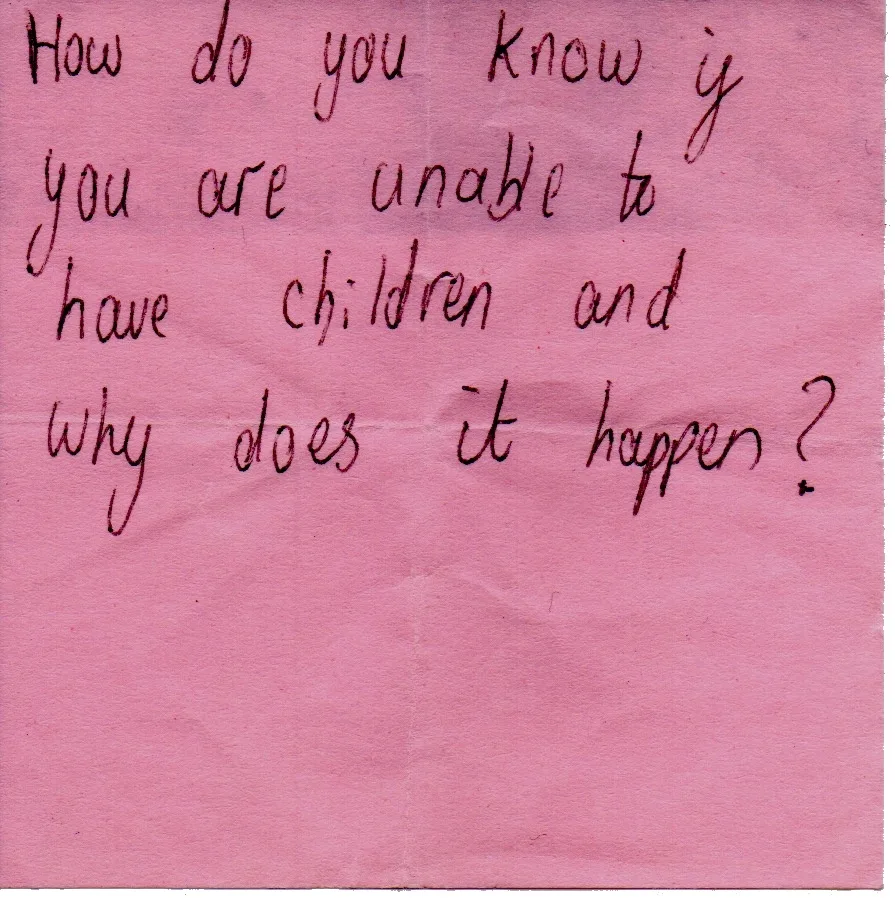
"Infertility is rare." It's actually quite common. About 1 in 7 couples in the UK have difficulty conceiving. [CHECK] It affects people of all genders.
Things people ask about fertility
Can I find out if I'm fertile?
There's no simple test that tells you definitively. Doctors can check specific things — hormone levels, sperm count, whether tubes are blocked — but most people only have these tests if they're having trouble conceiving. For now, the best thing is to look after your reproductive health generally.
Does having an affect fertility?
A straightforward, uncomplicated abortion does not affect future fertility. This is well established medically. Complications that affect fertility are very rare.
Can STIs really make you infertile?
Yes — specifically, untreated STIs. Chlamydia and gonorrhoea can cause pelvic inflammatory disease if they're not treated, which can permanently damage the fallopian tubes. The key word is "untreated" — if you catch and treat an STI early, it's very unlikely to affect your fertility.
Do people with a have fertility issues too?
Yes. Low sperm count, poor sperm quality, and problems with sperm delivery are all real. About a third of fertility problems in couples are related to the male partner. [CHECK]
Where to get help
- Your GP — for any concerns about your menstrual cycle, reproductive health, or fertility.
- — for STI testing, which is one of the most practical things you can do to protect your fertility.
- Fertility Network UK — information and support for anyone affected by fertility issues.
Fertility means whether your body is able to make a baby. For to happen, an has to be released, has to reach it, and the joined egg has to settle into the womb. If any part of that doesn't work, it becomes harder to get .
Girls and women release one egg about once a month from onwards. They're born with all their eggs already. Boys and men start making sperm at puberty and keep making it throughout life.
Lots of things affect fertility. Age is one — it gets harder to get pregnant as you get older, especially for girls and women after their mid-30s. Health matters too. Certain conditions can make it harder.
One of the biggest things young people can do to protect their fertility is to get tested for infections passed on through sex. Infections like can damage the inside of the body if they're not treated, making it much harder to have babies later. The good news is these infections are easy to treat if caught early.
Birth control does not damage fertility. When you stop using it, your ability to get pregnant comes back.
Having trouble getting pregnant is more common than people think — it affects roughly 1 in 7 couples. It can affect anyone, regardless of gender.
Related terms

Need to talk to someone?
- ChildlineAny issue affecting under-19s. Abuse, bullying, mental health, relationships, sexual health.
For Teachers