
Sperm
Male reproductive cells produced in the testicles. Sperm fertilises an egg to cause pregnancy.
Sperm are tiny cells made inside a boy's or man's balls. They're far too small to see without a microscope. If a sperm reaches an egg inside someone's body, pregnancy can start.
Sperm are the reproductive cells produced in the . They're microscopic — far too small to see without a microscope — and their job is to travel through the reproductive tract and fertilise an . Each contains hundreds of millions of them, but only one sperm is needed to fertilise an egg and start a . Sperm are carried in , which is the fluid released during ejaculation.
- Sperm are reproductive cells made in the testicles. They're the cells needed to fertilise an egg.
- Each ejaculation contains roughly 200-500 million sperm. [CHECK: commonly cited range]
- Sperm can survive inside the body for up to 5 days — which is why sex before can still cause pregnancy.
- Sperm production starts during and continues throughout life.
- Sperm and semen are different things. Sperm are the cells; semen is the fluid that carries them.
[DIAGRAM: Labelled diagram of a sperm cell showing head (acrosome, nucleus), midpiece, and tail]
What they look like
Under a microscope, a sperm cell has three parts:
- The head — contains the genetic material (DNA) that combines with the egg's DNA if fertilisation happens. The front of the head has a cap called the acrosome, which contains enzymes that help the sperm break through the outer layer of the egg.
- The midpiece — packed with mitochondria (the cell's energy source) that power the tail.
- The tail — a long, whip-like structure that propels the sperm forward. It moves in a swimming motion, and this is how sperm travel through the reproductive tract.
A single sperm is about 0.05mm long — roughly 1,000 times smaller than the egg it's trying to reach.
How they're made
Sperm are produced in the testicles through a process called spermatogenesis. This starts during puberty and continues throughout life — unlike eggs, which are a fixed supply from birth. The full process of making a mature sperm takes about 64-72 days. [CHECK: current maturation timeline]
The testicles produce sperm constantly — millions per day. Unused sperm are reabsorbed by the body. There's no need to "release" them regularly; the body handles the turnover on its own (though ejaculation — through sex or — is one way they leave the body).
Sperm production needs a temperature slightly cooler than normal body temperature, which is why the testicles hang outside the body in the .
The journey to the egg
During vaginal sex, sperm are deposited near the . From there, they have to swim through the cervix, through the , and up into the — a journey of about 15-18cm, which for something 0.05mm long is a massive distance. Most don't make it. Out of hundreds of millions, only a few hundred typically reach the egg.
Sperm can survive inside the body for up to 5 days if conditions are right (the cervical mucus around ovulation helps them survive). This is why the is about 6 days — sex several days before ovulation can still lead to pregnancy because the sperm may still be alive when the egg is released.
Things people get wrong
"Sperm and semen are the same thing." They're not. Semen is the fluid; sperm are the microscopic cells within it. A vasectomy stops sperm from entering the semen, but the person still ejaculates semen — it just doesn't contain sperm.
"Sperm die immediately outside the body." They die quickly on dry surfaces (within minutes), but in warm, moist conditions they can survive a bit longer. Inside the body, they can survive up to 5 days. On skin or fabric, they die fast and are unlikely to cause pregnancy through indirect contact.
"The fastest sperm wins." It's not really a race. The sperm that fertilises the egg isn't necessarily the first to arrive — it's the one that successfully penetrates the egg's outer layer. Many sperm work together to weaken that layer before one breaks through.
Things people ask about sperm
Can sperm survive in water?
Sperm die quickly in water (bath, pool, hot tub) because the temperature, chlorine, and dilution kill them rapidly. You can't get from being in the same pool or bath as semen.
Does sperm count matter?
For , yes — a higher sperm count increases the chances of one reaching the egg. Low sperm count is one of the more common causes of male-factor infertility. But for most young people, this isn't something to worry about.
Can anything damage sperm?
Heat (very hot baths, laptops on the lap for extended ), smoking, heavy drinking, some drugs, and certain medications can all affect sperm quality. For most young people, these effects are temporary and reversible.
Is it true that sperm determines the sex of a baby?
Yes. Eggs always carry an X chromosome. Sperm carry either an X or a Y. If an X-carrying sperm fertilises the egg, the baby is XX (typically female). If a Y-carrying sperm fertilises it, the baby is XY (typically male). So the sperm determines the chromosomal sex.
Sperm are tiny cells made inside the balls () of boys and men. They're way too small to see with your eyes — you'd need a microscope. Their job is to travel through someone's body and join with an . If one sperm reaches an egg, a can start.
Each time someone ejaculates (finishes), hundreds of millions of sperm come out in the fluid. But only one is needed to start a pregnancy.
Sperm are carried in the white fluid () that comes out of the . Sperm and semen aren't the same thing. Sperm are the tiny cells. Semen is the liquid that carries them.
Once inside someone's body, sperm can survive for up to 5 days. That's why sex that happens a few days before an egg is released can still lead to pregnancy — the sperm might still be alive when the egg arrives.
Boys and men start making sperm during and keep making them throughout life. The balls make millions every day. Unused ones are just absorbed back into the body.
Sperm die quickly outside the body on dry surfaces. You can't get from a swimming pool, bath, or toilet seat.
It's the sperm that decides whether a baby will be a boy or a girl, depending on which type of genetic information it carries.
Related terms
Questions about this
-
 Contraception & Pregnancy
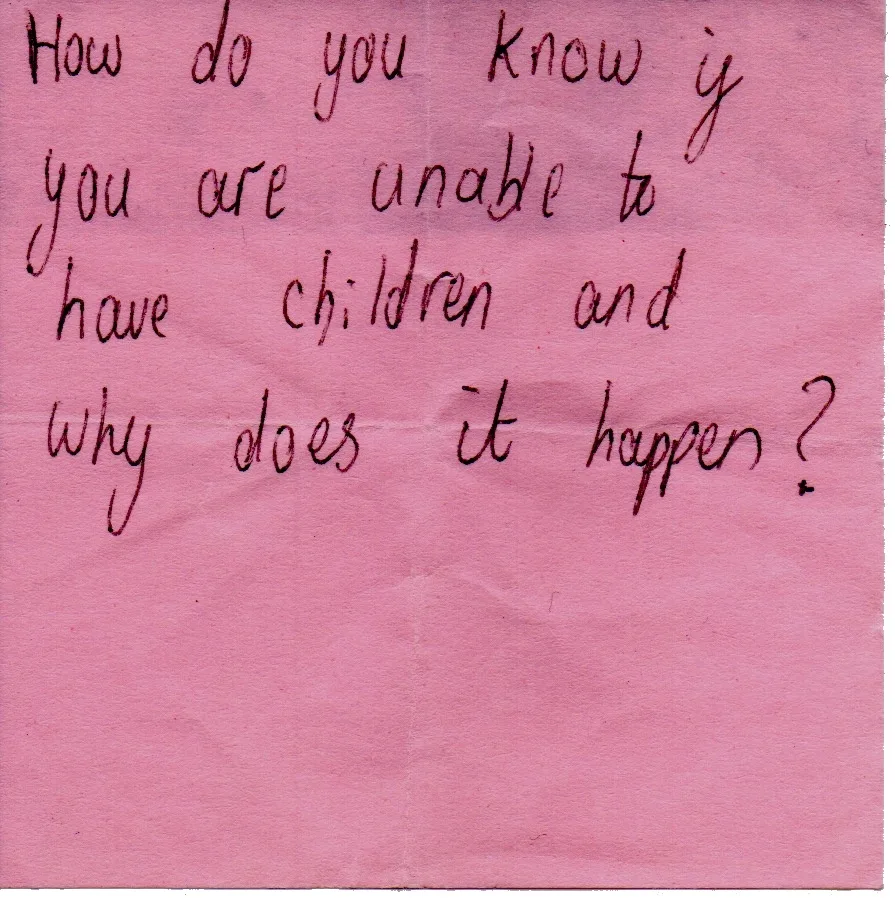
How do you know if you're unable to have children?
Read the answer -
 Contraception & Pregnancy
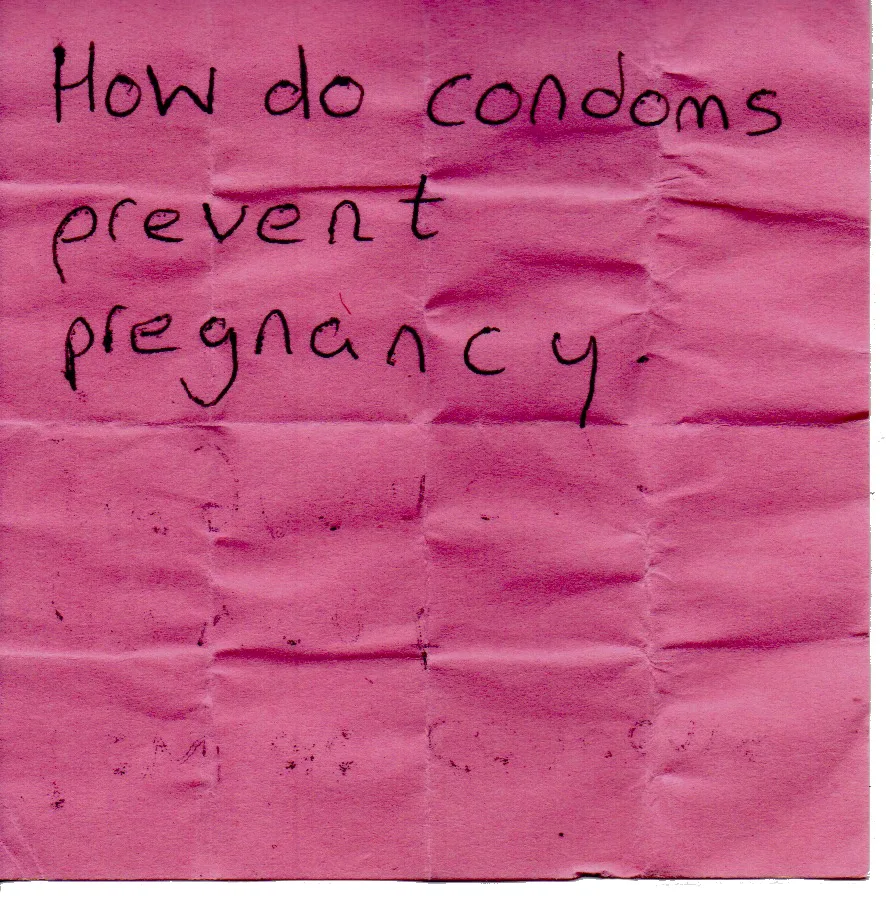
How do condoms prevent pregnancy?
Read the answer -
 Contraception & Pregnancy
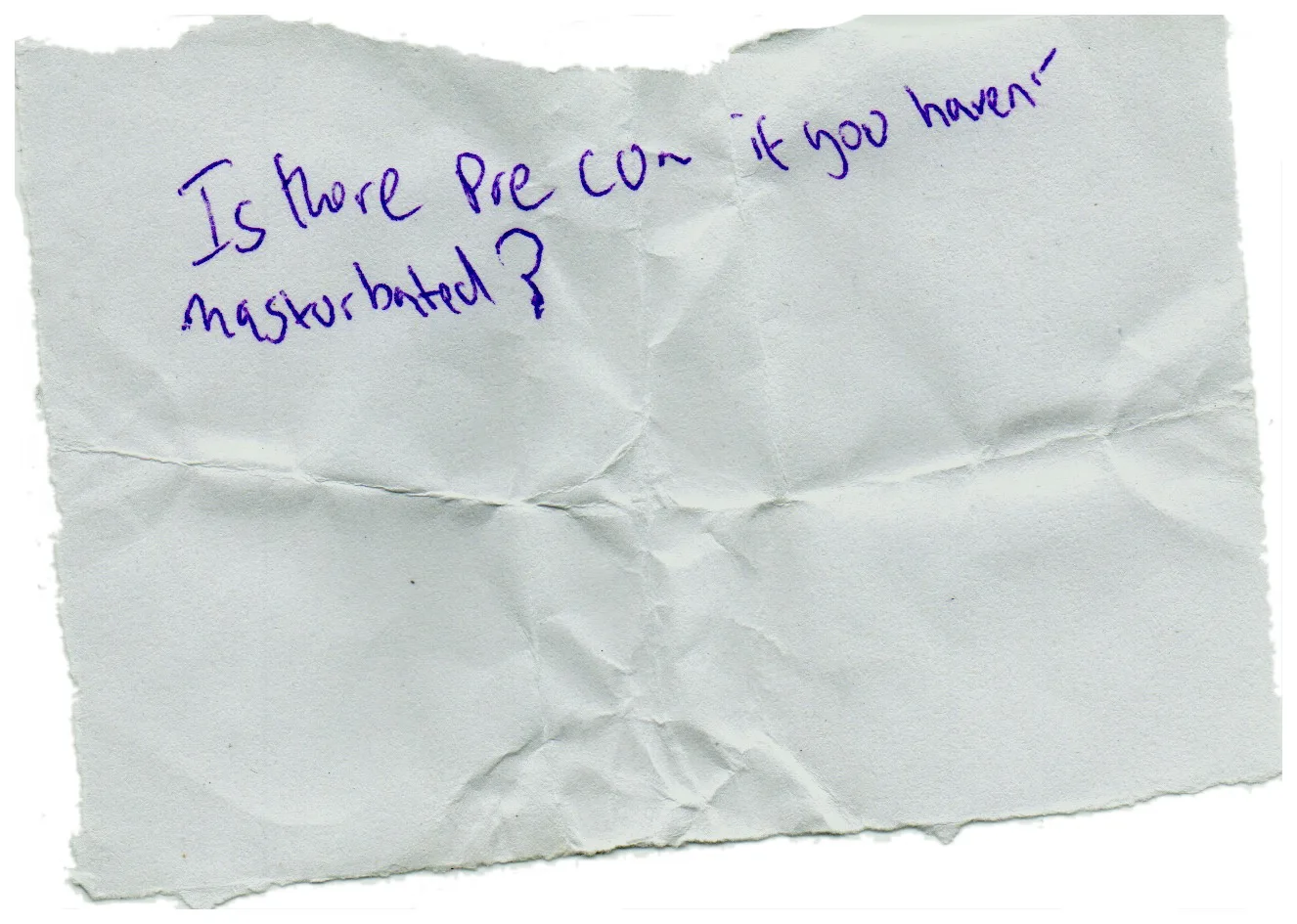
Is there pre-cum if you haven't masturbated?
Read the answer -
 Sexual Health
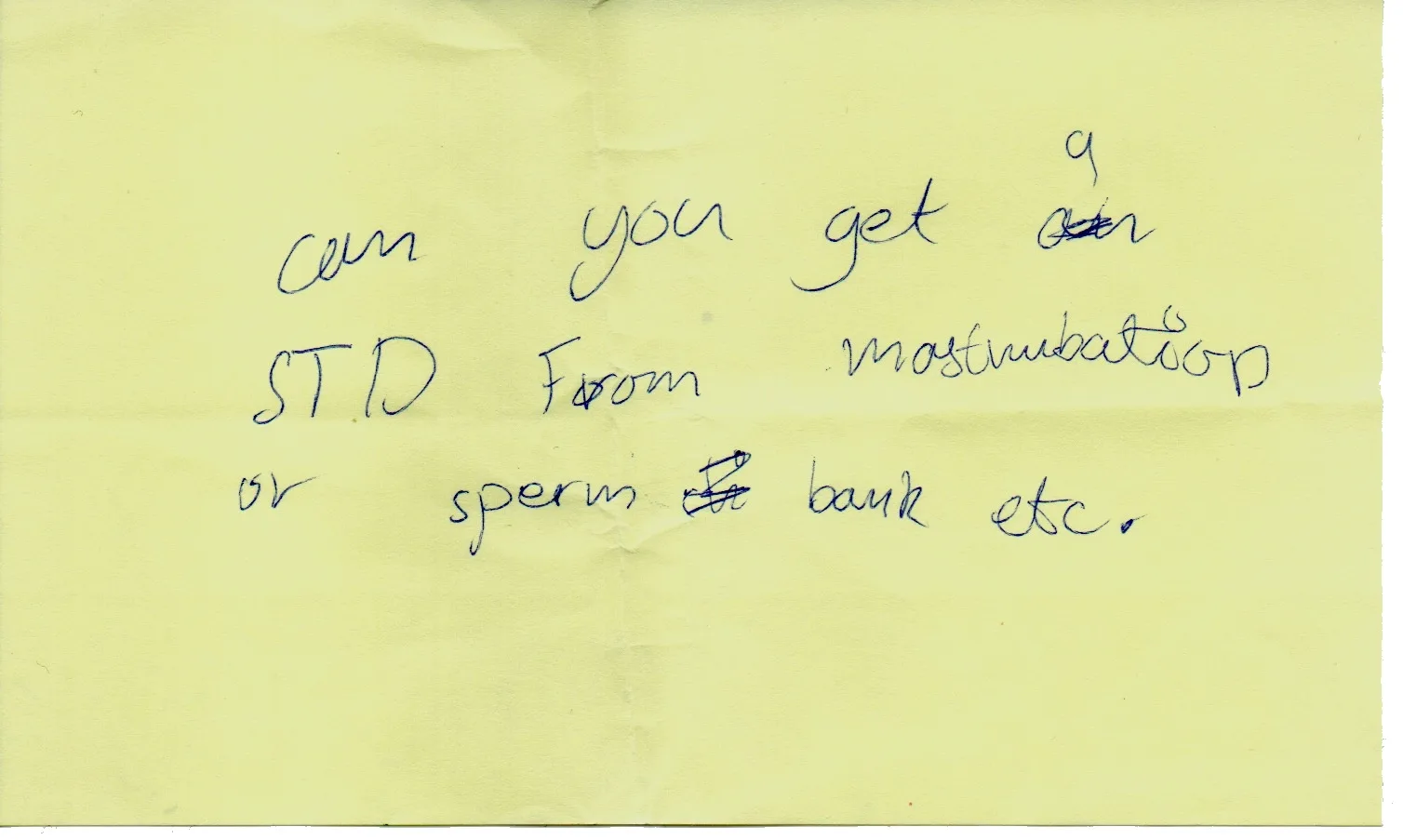
Can you get an STI from masturbation or sperm bank etc?
Read the answer -
 Puberty
When do your balls drop?
Read the answer -
 Contraception & Pregnancy
How do you pull out?
Read the answer
Need to talk to someone?
- ChildlineAny issue affecting under-19s. Abuse, bullying, mental health, relationships, sexual health.
For Teachers