
Egg
Female reproductive cell released from the ovary during ovulation. If fertilised by sperm, pregnancy begins.
An egg is a tiny cell inside a girl's or woman's body. One is released each month. If it joins with a sperm, a pregnancy can start. If it doesn't, it leaves the body during a period.
An egg (also called an ovum) is a reproductive cell produced by the . Once a month, during , an egg is released from one of the ovaries and travels down a fallopian tube. If it meets a and gets fertilised, can begin. If it doesn't, it breaks down and leaves the body along with the lining during a .
- An egg is the reproductive cell needed from the ovary side for pregnancy to happen.
- One egg is usually released each month during ovulation.
- It can survive for about 12-24 hours after being released.
- People with ovaries are born with all their eggs already — roughly 1-2 million at birth, though only about 400-500 will ever be released during their lifetime.
- Fertilisation happens when a sperm meets the egg, usually in the fallopian tube.
[DIAGRAM: Diagram showing egg cell structure and its release from the ovary during ovulation]
How it works
People with ovaries are born with all the eggs they'll ever have — they don't produce new ones. At birth, there are around 1-2 million immature eggs stored in the ovaries. By , that number has dropped to around 300,000-400,000. Each month from puberty onwards, trigger a group of eggs to start maturing, but usually only one fully matures and is released. This release is called ovulation.
The released egg travels down the fallopian tube towards the uterus. This journey takes a few days. If sperm are present in the fallopian tube (from sex that happened in the days before or on the day of ovulation), one sperm may fertilise the egg. The fertilised egg then in the lining of the uterus, and pregnancy begins.
If the egg isn't fertilised, it breaks down. The thickened uterus lining, which had built up to support a potential pregnancy, sheds — and that's a period.
Why it matters
Understanding eggs and ovulation is key to understanding how pregnancy happens, how the works, and how some types of work (hormonal contraception often prevents ovulation, meaning no egg is released).
It's also relevant to . Because people with ovaries are born with a fixed number of eggs, the number decreases over time. This is one of the reasons fertility declines with age — though for young people, this isn't something to worry about right now.
Things people ask about eggs
How big is an egg?
About the size of a grain of sand — roughly 0.1mm. It's the largest cell in the human body, but still tiny. You can't see it with the naked eye without really good lighting.
Can you feel ovulation happening?
Some people do. It's sometimes called "mittelschmerz" — a mild ache or twinge on one side of the lower belly around mid-cycle. Others don't notice anything at all. Both are normal.
Can you run out of eggs?
Technically yes, but it happens gradually over decades. The number declines naturally from birth. When the supply gets very low, menopause happens — but that's usually in your late 40s or 50s, not something young people need to think about.
Is it always one egg at a time?
Usually, yes. Occasionally two eggs are released in the same cycle — if both are fertilised, that's how non-identical (fraternal) twins happen.
An egg is a very tiny cell made inside a girl's or woman's body, in two small organs called the . About once a month, one egg is released and travels down a tube towards the womb. This is called .
If the egg meets a (from sex), the two can join together. The joined egg then settles into the lining of the womb, and a starts.
If the egg doesn't meet a sperm, it breaks down. The soft lining that had built up inside the womb comes away and leaves the body. That's what a is.
Girls and women are born with all the eggs they'll ever have — about one to two million. They don't make new ones. By the time starts, that number has gone down, but there are still hundreds of thousands left. Only about 400-500 will ever actually be released during a lifetime.
The egg only survives for about 12-24 hours after being released. That's a short window, but sperm can survive in the body for up to five days, so pregnancy can happen from sex that took place a few days before the egg was released.
An egg is about the size of a grain of sand. It's the biggest cell in the human body, but still tiny.
Related terms
Questions about this
-
 Contraception & Pregnancy
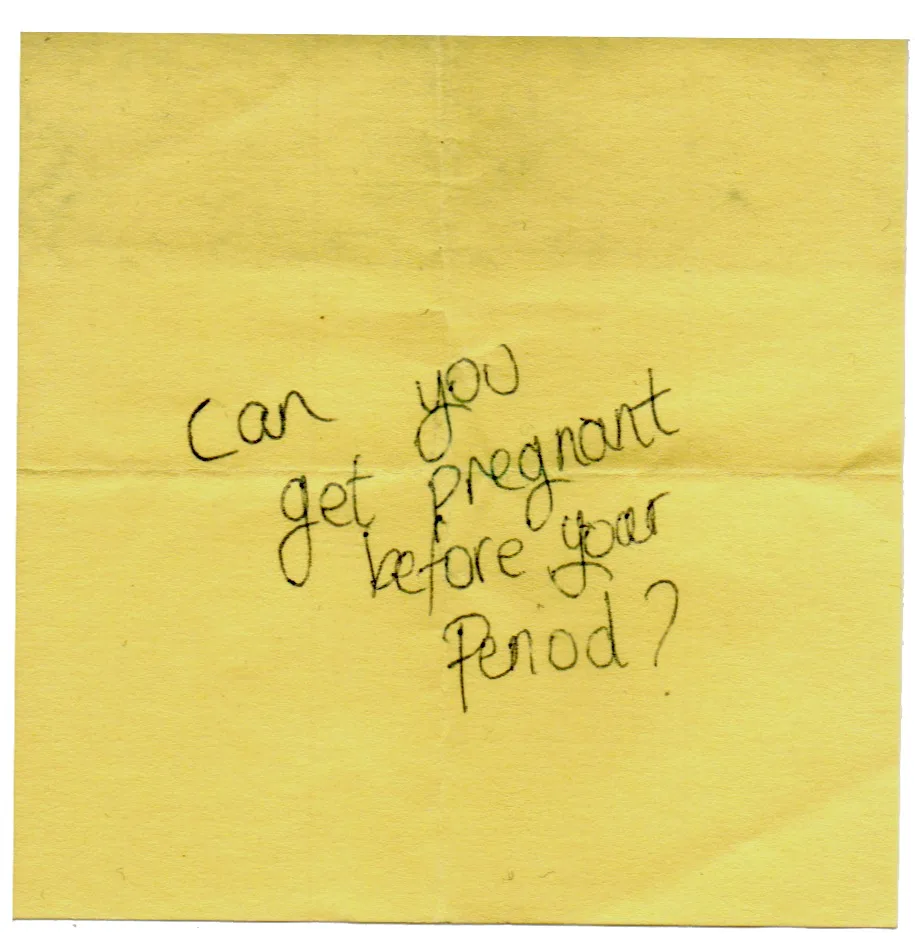
Can you get pregnant before your period?
Read the answer -
 Contraception & Pregnancy
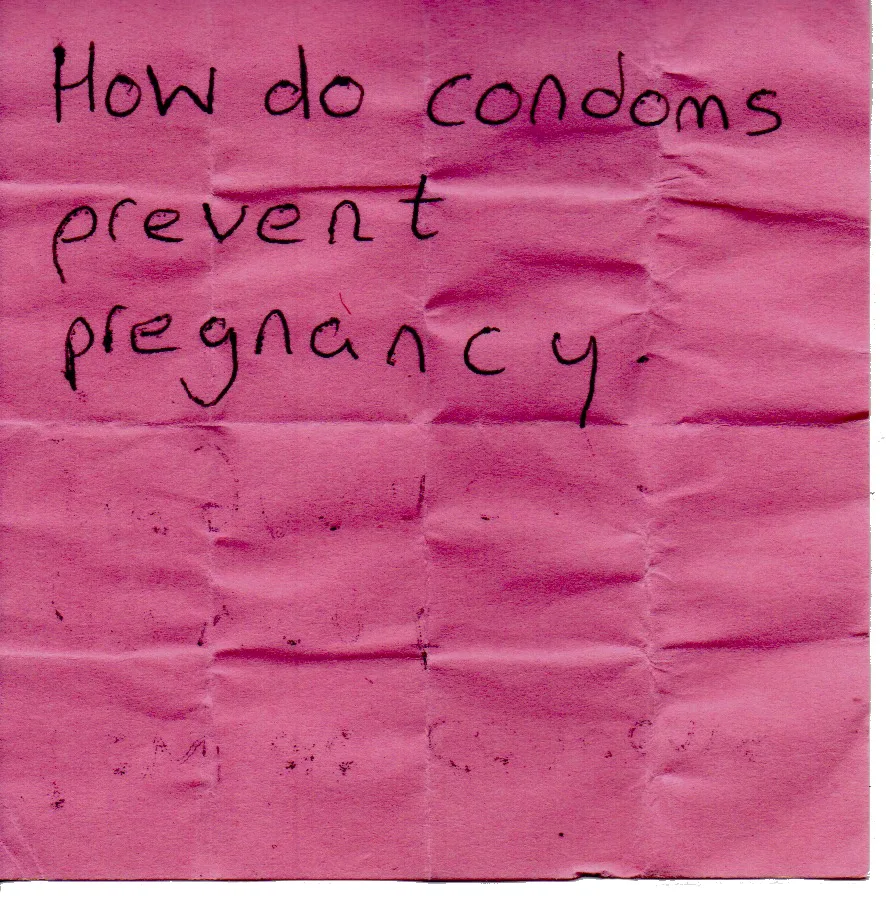
How do condoms prevent pregnancy?
Read the answer -
 Contraception & Pregnancy
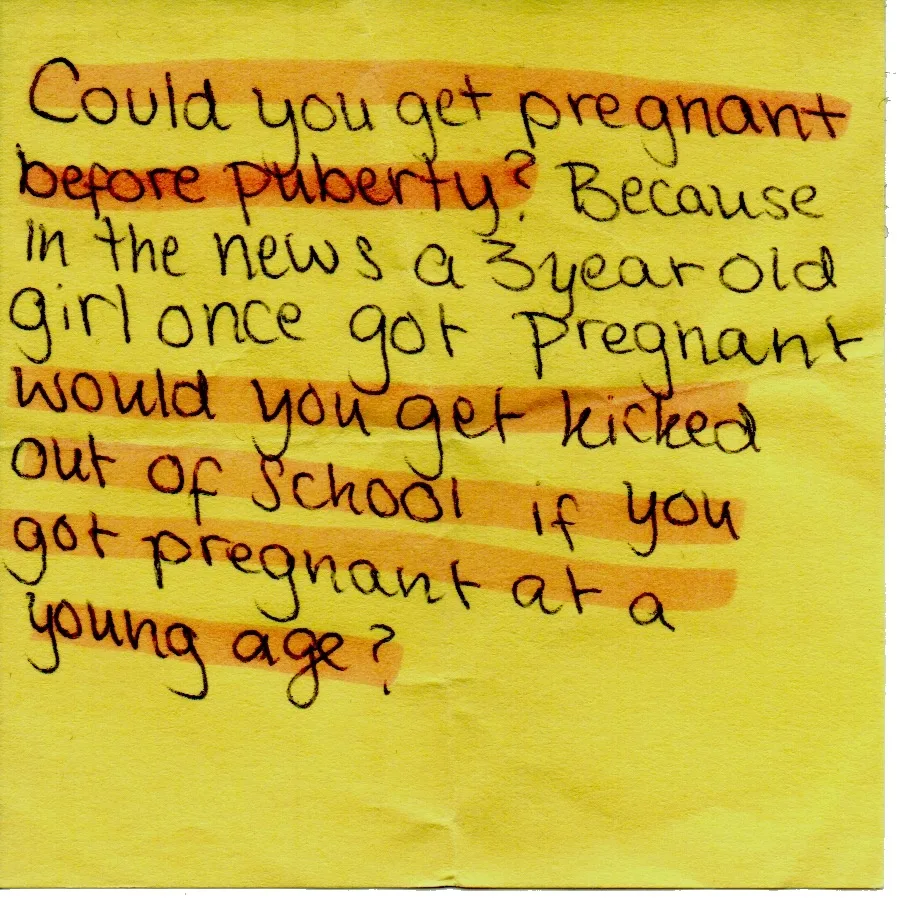
Can you get pregnant before puberty?
Read the answer -
 Contraception & Pregnancy
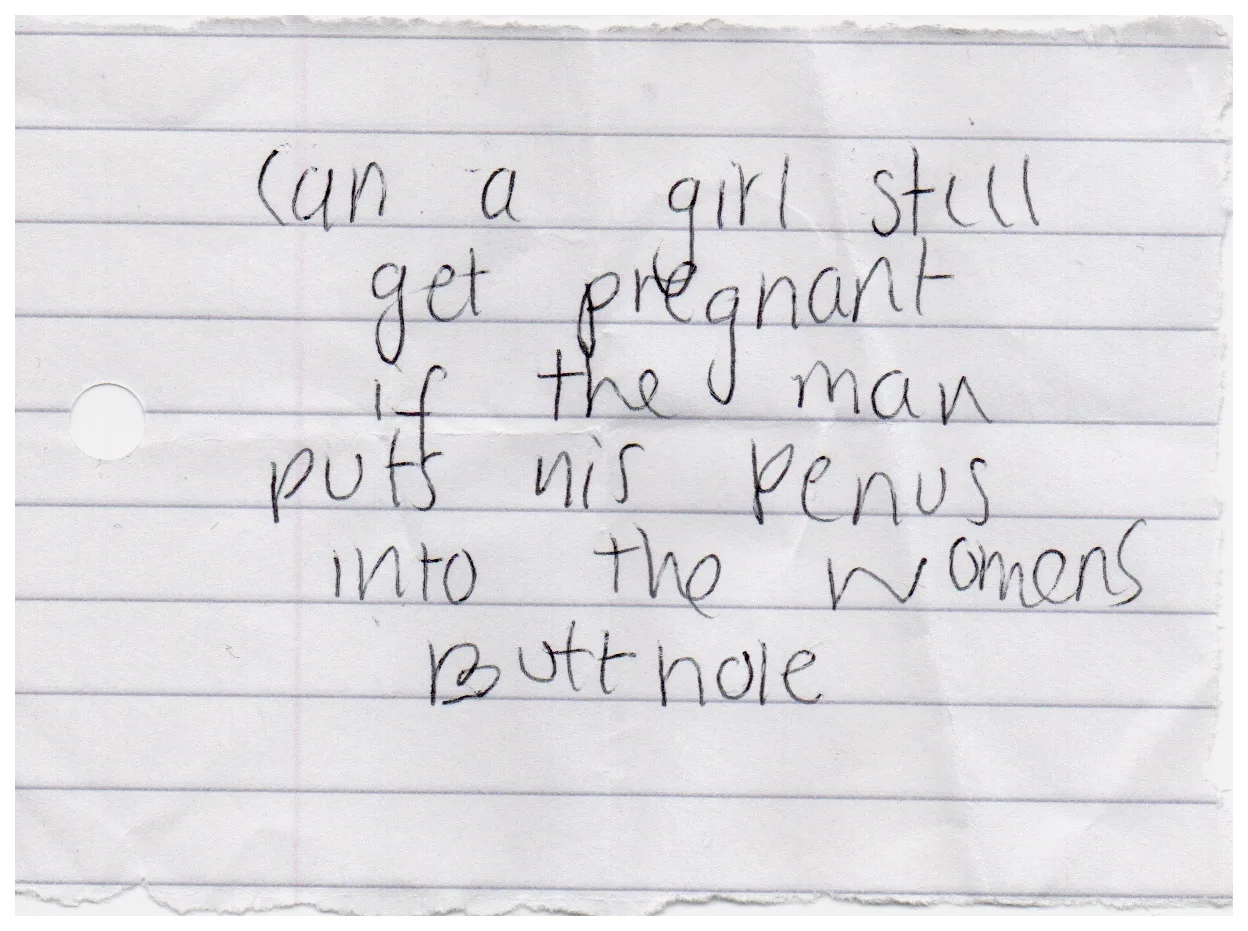
Can a girl still get pregnant if the man puts his penis into the womens butthole?
Read the answer
Need to talk to someone?
- ChildlineAny issue affecting under-19s. Abuse, bullying, mental health, relationships, sexual health.
For Teachers