
Injection
A hormonal contraceptive injection given every 8-13 weeks. You don't need to remember a daily pill.
The contraceptive injection is a jab you get every 8-13 weeks that stops pregnancy. Once you've had it, you don't need to think about birth control until the next one is due.
The contraceptive injection (often called "the jab" or by its brand name Depo-Provera) is a hormonal contraceptive given as an injection every 8 to 13 weeks, depending on the type. It releases progestogen into the body to prevent . Once you've had the jab, you don't need to think about again until your next one is due.
- The injection is a hormonal contraceptive given every 8-13 weeks.
- Over 99% effective with perfect use; about 94% in typical use (because people sometimes miss their next appointment). [CHECK: current effectiveness figures]
- It works by stopping and thickening cervical mucus.
- It's free on the NHS and available from GPs, , and Brook.
- It's the one contraceptive method most associated with weight gain and delayed return of — worth knowing about before choosing it.
[DIAGRAM: Diagram showing injection site (upper arm or buttock) and how the contraceptive injection works]
How it works
The injection releases progestogen, which prevents ovulation (no released), thickens the cervical mucus (making it harder for to get through), and thins the lining. The most common type in the UK is Depo-Provera (given every 13 weeks into the buttock or upper arm) and Sayana Press (given every 13 weeks, which can be self-injected at home). There's also Noristerat, given every 8 weeks, though it's less commonly used. [CHECK: current availability of Sayana Press self-injection]
You get the injection at a GP surgery or sexual health clinic. It takes seconds — a quick jab, and you're done for the next 2-3 months.
What makes it different from other methods
The injection is popular because you only need to think about it a few times a year. But it has a couple of things that set it apart from other hormonal methods:
Weight gain — the injection is the hormonal contraceptive most commonly linked to weight gain. Not everyone experiences it, but some people do notice an increase, especially in the first year. This is worth discussing with a nurse or doctor if it's a concern for you.
Delayed fertility return — after stopping the injection, it can take several months (sometimes up to a year) for your and fertility to return to normal. This is different from or , where fertility returns quickly. It doesn't mean the injection has damaged your fertility — it just takes longer to wear off. If you might want to get in the near future, this is something to factor in.
Bone density — long-term use (more than 2 years continuously) has been linked to a small decrease in bone density, especially in young people whose bones are still developing. This usually recovers after stopping. Your doctor should discuss this with you if you're using it long-term. [CHECK: current NICE/FSRH guidance on bone density and the injection in under-18s]
Periods on the injection
Most people's periods change on the injection. Some people get lighter periods, some get irregular bleeding or spotting, and many find their periods stop altogether after a few months. Periods stopping is a normal effect of the hormone — it's not harmful. They come back after you stop the injection, though it can take a while.
Things people get wrong
"The injection makes everyone gain weight." Some people do, but not everyone. It's the most commonly reported side effect of this specific method, but it's not guaranteed.
"If your periods stop, something is wrong." On the injection, periods stopping is expected and harmless. It just means the hormone is doing its job.
"You can stop it whenever you want." You can decide not to have your next injection, but you can't "undo" one that's already been given. The hormone stays in your system until it wears off naturally — you can't speed it up. That's why choosing the injection is a slightly bigger commitment than a daily pill.
Things people ask about the injection
Does the injection hurt?
It's a quick jab — similar to any other injection. A brief sting, and it's over in seconds. Some people get a sore spot at the injection site for a day or two.
Can I switch from the injection to something else?
Yes. You can stop having the injection and switch to another method. Your clinic will help you time the switch so you're still protected.
What if I'm late for my next injection?
If you're late, you might not be protected. Depo-Provera has a window of up to 14 weeks (1 week late), but after that you'll need to use and may need a before your next dose. [CHECK: current late injection guidance]
Does it protect against ?
No. Like all hormonal contraception, the injection only prevents pregnancy. You'd need condoms for STI protection.
Where to get help
- Sexual health clinics — can give the injection, free and confidential.
- Your GP — can administer the injection or refer you.
- Brook — contraception services for under-25s, including the injection.
The contraceptive injection is a jab given by a nurse or doctor. It releases a hormone into your body that stops . You get it every 8 to 13 weeks, depending on the type. Once you've had it, you don't need to remember anything until your next appointment.
It works by stopping your body from releasing an and by making it harder for to get through.
It's very effective when you get it on time. It's free on the NHS.
There are a couple of things that make the injection different from other types of birth control. It's the one most linked to weight gain, though not everyone experiences this. And when you stop having it, it can take several months for your ability to get to come back. With or , that happens much faster.
Most people's change on the injection. Some get lighter. Some get irregular bleeding. Many find their periods stop after a few months. This is normal and not harmful.
One important thing: once you've had the injection, you can't undo it. The hormone stays in your body until it wears off on its own. So it's worth thinking about before choosing it.
The injection does not protect against infections passed on through sex. You'd need for that.
Related terms
Questions about this
-
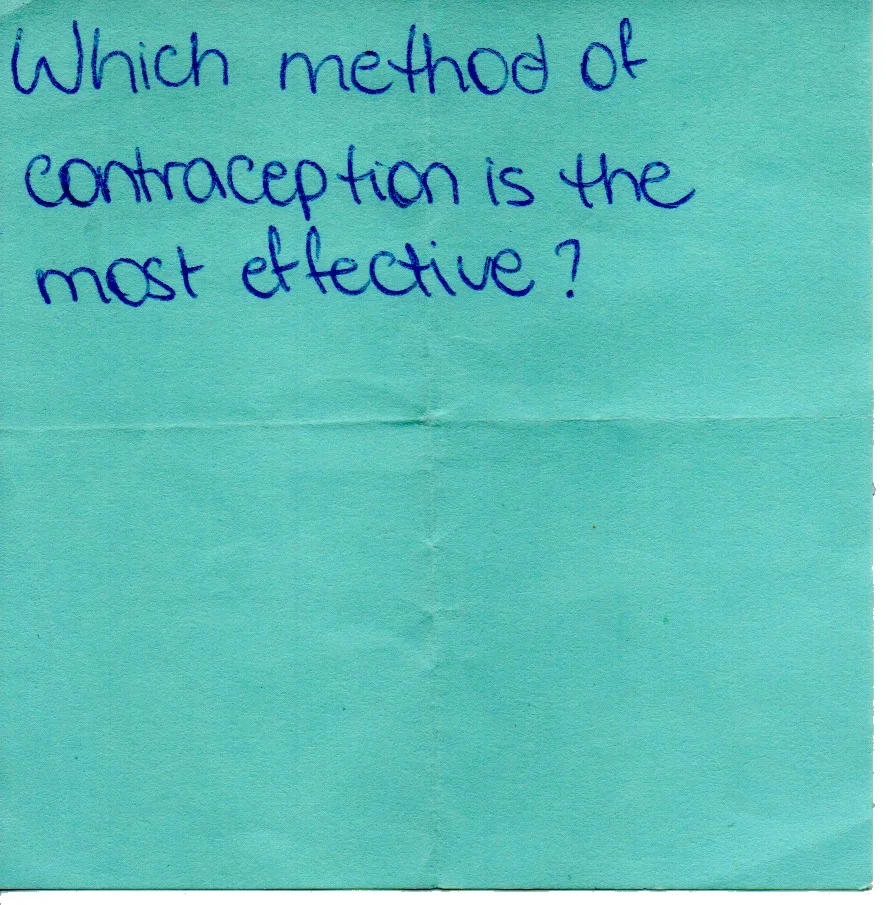 Contraception & Pregnancy
Which method of contraception is the most effective?
Read the answer -
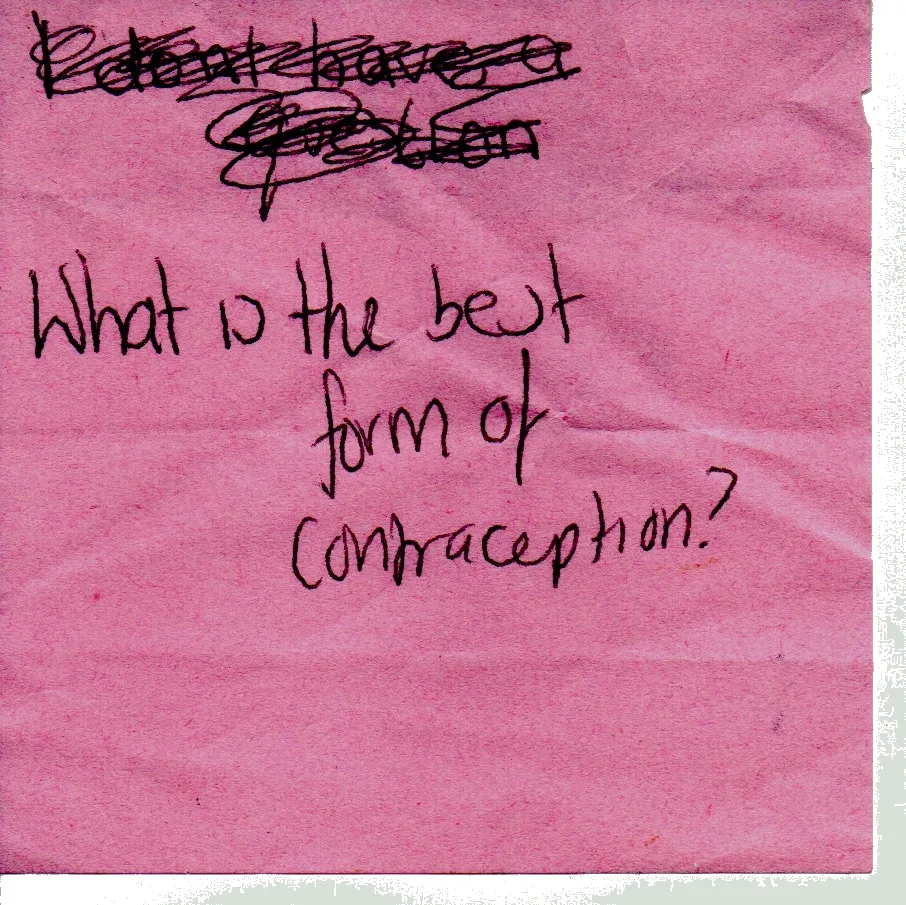 Contraception & Pregnancy
What is the best form of contraception?
Read the answer -
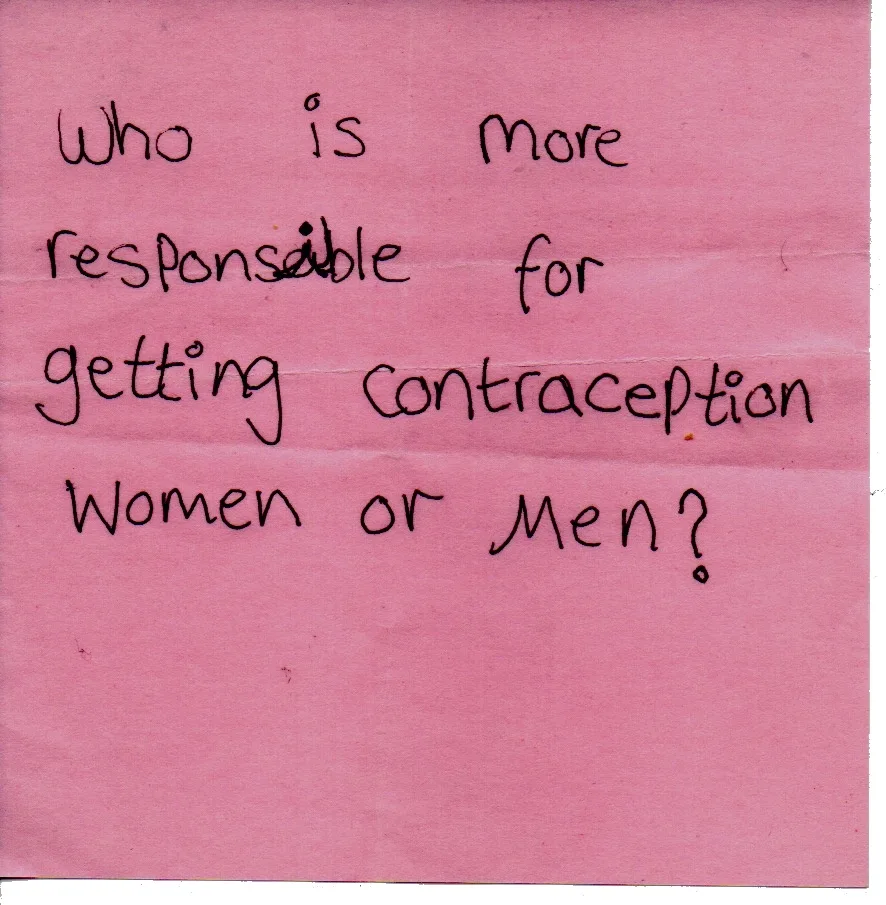 Contraception & Pregnancy
Who is more responsible for getting contraception women or men?
Read the answer -
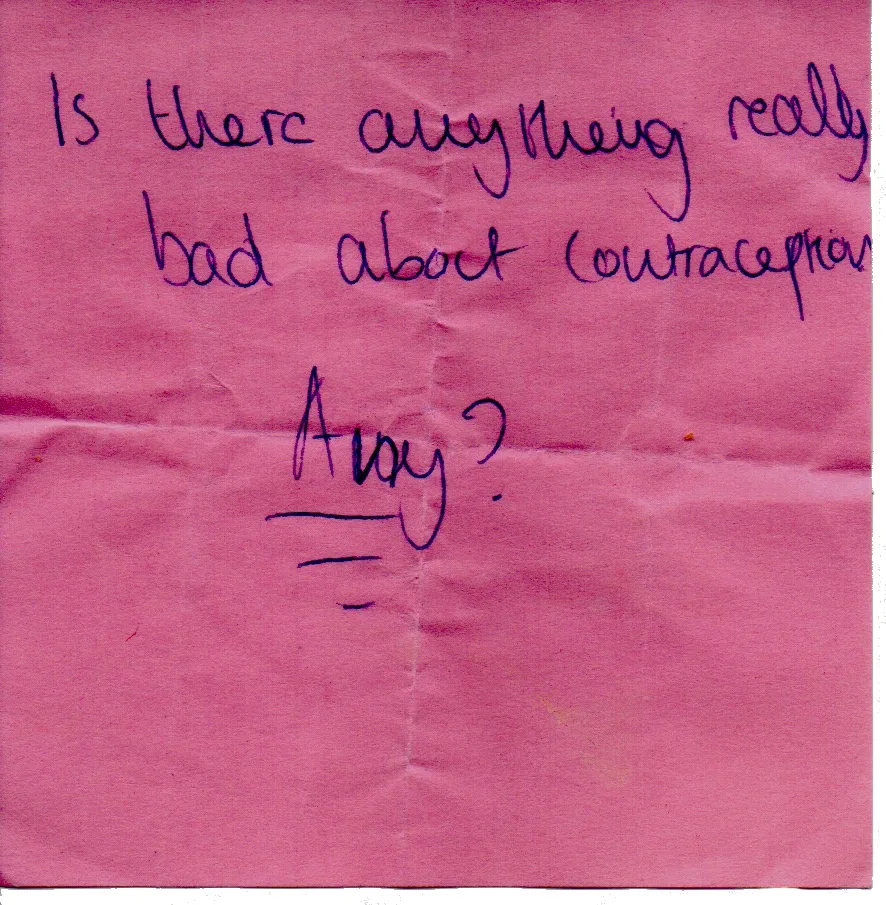 Contraception & Pregnancy
Is there anything really bad about contraception?
Read the answer -
 Contraception & Pregnancy
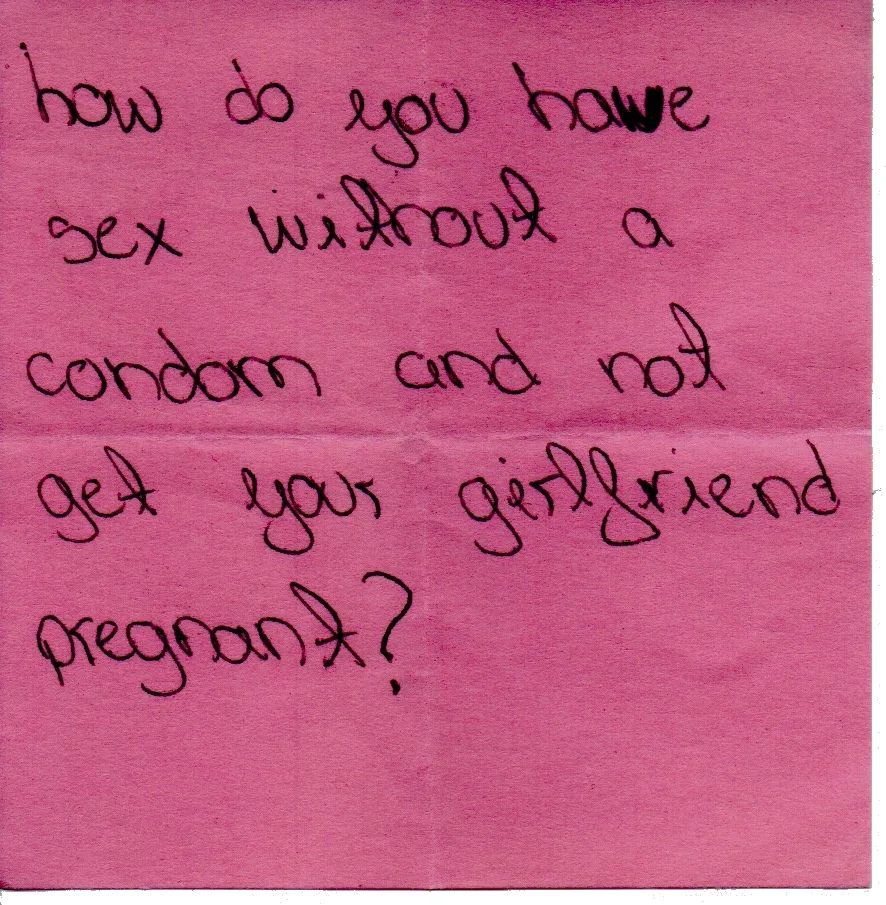
How do you have sex without a condom and not get your girlfriend pregnant?
Read the answer
Need to talk to someone?
- ChildlineAny issue affecting under-19s. Abuse, bullying, mental health, relationships, sexual health.