
Abortion
A medical procedure to end a pregnancy. Available free on the NHS in the UK up to 24 weeks.
A medical procedure to end a pregnancy. In the UK, it is free on the NHS and allowed up to 24 weeks of pregnancy.
An abortion is a medical procedure that ends a . In the UK, it's legal, free on the NHS, and available up to 24 weeks of pregnancy. It's sometimes called a termination.
- Abortion is legal in England, Scotland, and Wales up to 24 weeks of pregnancy (and beyond in rare medical circumstances).
- It's free on the NHS — you don't have to pay.
- There are two types: medical (using tablets) and surgical (a short procedure).
- You don't need your parents' permission if a doctor believes you understand the decision (see ).
- Abortion is very common — roughly 1 in 3 women in the UK will have one in their lifetime.
How it works
There are two main types of abortion:
Medical abortion is the most common, especially in early pregnancy. It involves taking two sets of tablets, usually 24–48 hours apart. The first tablet stops the pregnancy from developing, and the second causes the womb to empty — similar to a heavy, crampy . In early pregnancy (up to 10 weeks), this can often be done at home after a clinic appointment.
Surgical abortion is a short procedure done under local anaesthetic or sedation. A doctor uses gentle suction to remove the pregnancy from the womb. It takes about 5–10 minutes and is usually done at a clinic or hospital. It's more common for pregnancies further along.
Both types are very safe. Serious complications are rare.
Accessing an abortion
In England, Scotland, and Wales, you can get an abortion free on the NHS. You can go to your GP, or you can contact an abortion provider directly — you don't need a GP referral. The two main NHS-funded providers are BPAS and MSI Reproductive Choices.
In Northern Ireland, abortion law is different and was only recently changed. Abortion is available in some circumstances, but access can be more limited. People sometimes travel to England for the procedure. [CHECK: current NI access situation]
You don't need to tell your parents or get their permission. If you're under 16, a doctor will assess whether you're mature enough to make the decision yourself (using the Fraser Guidelines). They might encourage you to involve a trusted adult, but they can't force you.
The legal bit
Under the Abortion Act 1967 (as amended), abortion is legal in England, Scotland, and Wales up to 24 weeks if two doctors agree it meets certain grounds — in practice, this is straightforward for the vast majority of abortions. After 24 weeks, it's only legal in specific medical circumstances, like a serious risk to the person's life or a severe foetal abnormality.
Things people get wrong
"Abortion is dangerous." Modern abortion is very safe — safer than continuing a pregnancy to full term, statistically. Serious complications are rare.
"You won't be able to get pregnant again afterwards." Having an abortion does not affect your future . You can get pregnant again very quickly afterwards, which is why is usually discussed at the appointment.
"Only irresponsible people have abortions." Abortions happen for all sorts of reasons — contraception failure, changes in circumstances, health concerns, or simply not wanting to be pregnant. There's no single "type" of person who has one.
Things people ask about abortion
Does it hurt?
A medical abortion feels like strong period cramps — some people manage it with painkillers at home, others find it quite painful. A surgical abortion is usually done with pain relief or sedation, so you shouldn't feel much during the procedure. Some cramping afterwards is normal.
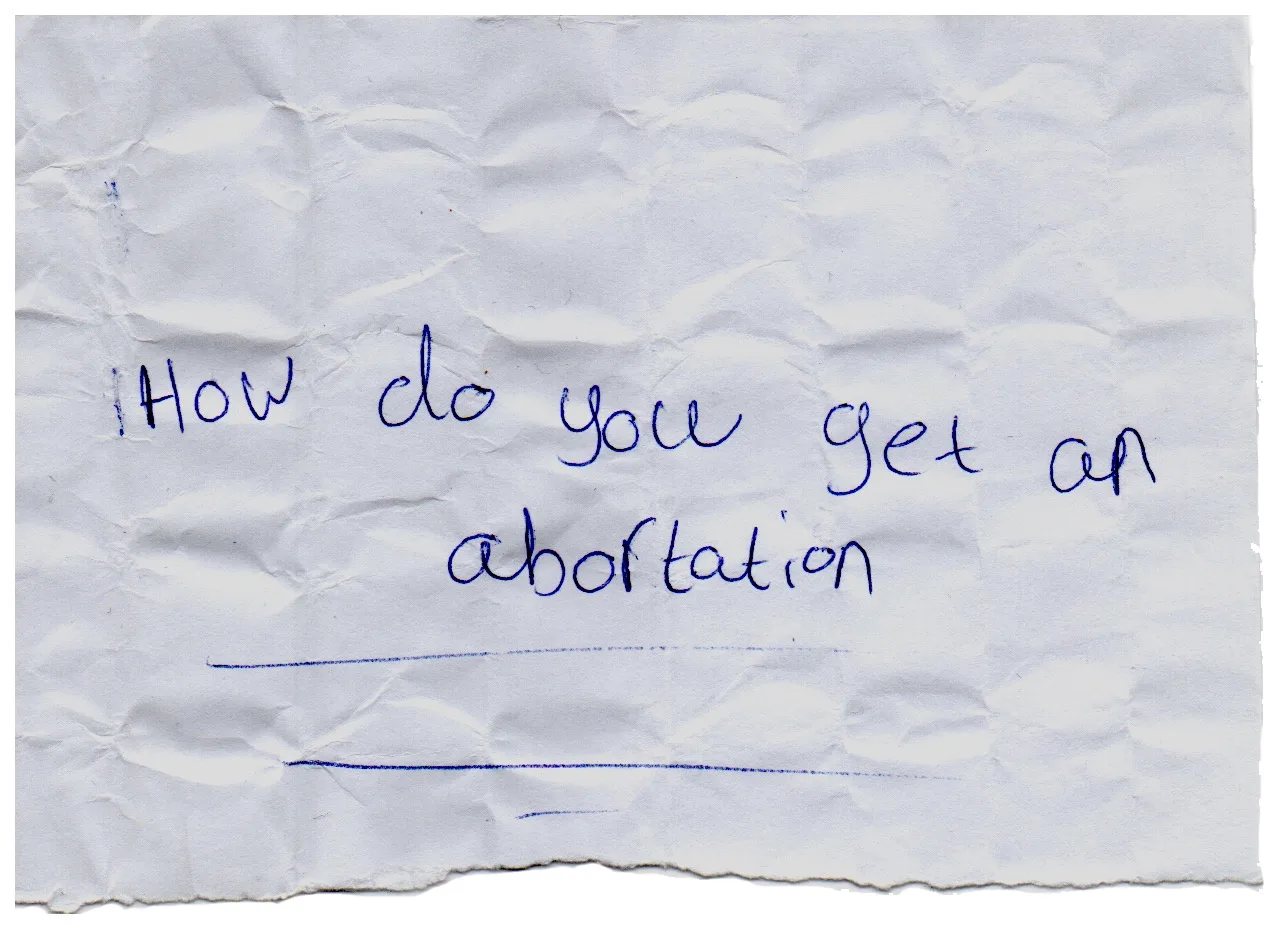
How do I get one without telling my parents?
You can contact BPAS or MSI Reproductive Choices directly, without going through your GP. If you're under 16, a doctor will talk to you about involving a trusted adult, but they can't make you. Everything is confidential unless there's a safeguarding concern.
Will I feel guilty afterwards?
Everyone's experience is different. Some people feel relief, some feel sad, some feel both, and some don't feel much at all. All of these reactions are normal. If you're struggling emotionally afterwards, support is available.
Can someone force me to have an abortion?
No. The decision is yours. Nobody — not a parent, partner, or anyone else — can force you to have an abortion or force you to continue a pregnancy.
Where to get help
- BPAS (British Pregnancy Advisory Service) — NHS-funded abortion care, advice, and appointments. You can self-refer.
- MSI Reproductive Choices — NHS-funded abortion services. Self-referral available.
- Brook — confidential advice for under-25s, including about pregnancy options.
An abortion is a medical procedure that ends a . In the UK, it is legal and free on the NHS. You can have one up to 24 weeks of pregnancy.
There are two main types. One uses tablets that you take to end the pregnancy. This can sometimes be done at home in early pregnancy. The other is a short procedure done by a doctor at a clinic, where they gently remove the pregnancy. Both types are very safe.
You do not need to pay for an abortion. You can go to your GP or contact a service like BPAS or MSI Reproductive Choices directly. You do not need to be sent by your GP.
If you are under 16, you do not need your parents' permission. A doctor will talk to you to check you understand the decision. They will keep it private unless they are worried about your safety.
Abortions are very common. About 1 in 3 women in the UK will have one at some point. People have them for lots of different reasons. A medical abortion can feel like strong pains. A surgical one is done with pain relief, so you should not feel much during it.
No one can force you to have an abortion. The choice is always yours.
Related terms
Questions about this
Need to talk to someone?
- ChildlineAny issue affecting under-19s. Abuse, bullying, mental health, relationships, sexual health.