
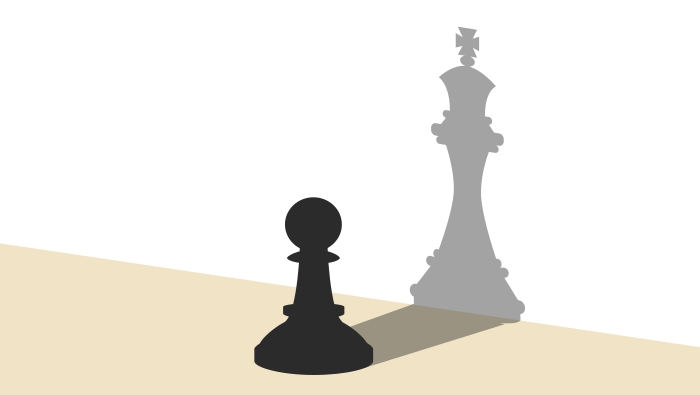
Self-esteem
Overview
Our teaching on self-esteem addresses the quiet crisis underneath so many other issues — the young person who doesn't believe they're worth much.
Low self-esteem isn't always visible. It's the child who won't put their hand up. The teenager who stays in a bad friendship because they think they can't do better. The student who dismisses their own feelings because they've learned they don't matter.
This topic explores where self-esteem comes from — how it's shaped by family, friendships, social media, school, and the stories young people tell themselves about who they are. It helps them separate their worth from their achievements, their appearance, or what other people think of them. Whether a session focuses on positive self-talk and challenging negative thought patterns, or on identity and what makes someone unique, or on the connection between self-worth and vulnerability to pressure — the thread is the same: building confidence from the inside out.
Key learning outcomes
By the end of lessons on this topic, students will:
- Understand what self-esteem is and how it affects thoughts, feelings, and behaviour
- Recognise the factors that build and undermine self-esteem, including social comparison
- Develop strategies for positive self-talk and challenging negative thought patterns
- Explore the difference between self-worth and external validation
- Build confidence in expressing their identity and what makes them unique
- Understand the connection between self-esteem and vulnerability to pressure, manipulation, and unhealthy relationships
- Learn to set personal goals and celebrate their own progress
Why teaching about self-esteem matters
Self-esteem is not a soft skill. It is the foundation on which young people build every decision they make — about relationships, risk, ambition, and self-care. A young person with low self-esteem is more vulnerable to , more likely to tolerate mistreatment, and less likely to ask for help.
Self-esteem needs its own space, its own time, and an approach that treats it as what it is — one of the most important things a school can nurture.
Curriculum alignment
This topic addresses 27 requirements from the DfE statutory RSE guidance and 15 learning outcomes from the PSHE Association Programme of Study , across KS1, KS2, KS3, KS4, KS5.
View all curriculum references
DfE RSE Statutory Guidance 2026
- "About the benefits of limiting time spent online, the risks of excessive time spent on electronic devices and the impact of positive and negative content online on their own and others' mental and physical wellbeing" Secondary Health: Wellbeing online, 1 · KS3, KS4
- "Characteristics of common types of mental ill health (e.g. anxiety and depression), including carefully-presented factual information about the prevalence and characteristics of more serious mental health conditions" Secondary Health: Mental wellbeing, 5 · KS3, KS4
- "How inequalities of power can impact behaviour within relationships, including sexual relationships" Secondary RSE: Respectful relationships, 10 · KS3, KS4
- "How to critically evaluate which activities will contribute to their overall wellbeing" Secondary Health: Mental wellbeing, 6 · KS3, KS4
- "How to recognise when a friendship is making them feel unhappy or uncomfortable, and how to get support when needed" Relationships Education: Caring friendships, 7 · KS1, KS2
- "How to talk about their emotions accurately and sensitively, using appropriate vocabulary" Secondary Health: Mental wellbeing, 1 · KS3, KS4
- "That bullying (including cyberbullying) has a negative and often lasting impact on mental wellbeing and how to seek help for themselves or others" Health Education: General wellbeing, 7 · KS1, KS2
- "That gambling can lead to serious mental health harms, including anxiety, depression, and suicide, and that some gambling products are more likely to cause these harms than others" Secondary Health: Mental wellbeing, 8 · KS3, KS4
- "That happiness is linked to being connected to others, and that loneliness can be an inevitable part of life at times and is not something of which to be ashamed" Secondary Health: Mental wellbeing, 3 · KS3, KS4
- "That healthy friendships are positive and welcoming towards others, and do not make others feel lonely or excluded" Relationships Education: Caring friendships, 2 · KS1, KS2
- "That it is common to experience mental health problems, and early support can help" Health Education: General wellbeing, 10 · KS1, KS2
- "That most friendships have ups and downs, and that these can often be worked through so that the friendship is repaired or even strengthened" Relationships Education: Caring friendships, 5 · KS1, KS2
- "That the co-occurrence of alcohol/drug use and poor mental health is common and that the relationship is bi-directional" Secondary Health: Mental wellbeing, 9 · KS3, KS4
- "That there are different types of committed, stable relationships" Secondary RSE: Families, 1 · KS3, KS4
- "That worrying and feeling down are normal, can affect everyone at different times and are not in themselves a sign of a mental health condition" Secondary Health: Mental wellbeing, 4 · KS3, KS4
- "The benefits and importance of physical activity, sleep, time outdoors, community participation and volunteering or acts of kindness for mental wellbeing and happiness" Secondary Health: Mental wellbeing, 2 · KS3, KS4
- "The benefits of limiting time spent online, the risks of excessive time spent on electronic devices and the impact of positive and negative content online on their own and others' mental and physical wellbeing" Health Education: Wellbeing online, 3 · KS1, KS2
- "The benefits of physical activity, time outdoors, and helping others for health, wellbeing and happiness. Simple self-care techniques, including the importance of rest, time spent with friends and family, as well as hobbies, interests and community participation" Health Education: General wellbeing, 1 · KS1, KS2
- "The characteristics of positive relationships of all kinds, online and offline, including romantic relationships. Including the role of consent, trust, mutual respect, honesty, kindness, loyalty, shared interests, boundaries, tolerance, privacy, and the management of conflict" Secondary RSE: Respectful relationships, 1 · KS3, KS4
- "The characteristics of social media, including that some accounts are fake, may post things which are not real or have been created with AI, and that users may present highly exaggerated or idealised profiles of themselves" Secondary RSE: Online safety and awareness, 3 · KS3, KS4
- "The difference between being assertive and being controlling, and conversely the difference between being kind to other people and neglecting your own needs" Relationships Education: Respectful kind relationships, 4 · KS1, KS2
- "The importance of promoting general wellbeing and physical health" Health Education: General wellbeing, 2 · KS1, KS2
- "The importance of self-esteem, independence and having a positive relationship with oneself, and how these characteristics support healthy relationships with others" Secondary RSE: Respectful relationships, 3 · KS3, KS4
- "The importance of self-respect and how this links to their own happiness" Relationships Education: Respectful kind relationships, 8 · KS1, KS2
- "The importance of sufficient good-quality sleep for good health, the importance of screen-free time before bed and removing phones from the bedroom" Secondary Health: Health protection and prevention, 6 · KS3, KS4
- "The serious risks of viewing online content that promotes self-harm, suicide or violence, including how to safely report this material and how to access support after viewing it" Secondary Health: Wellbeing online, 7 · KS3, KS4
- "The similarities and differences between the online world and the physical world, including the impact of unhealthy or obsessive comparison with others online and how people may curate a specific image of their life online" Secondary Health: Wellbeing online, 2 · KS3, KS4
PSHE Association Programme of Study 2020
- "About different types of relationships, including those within families, friendships, romantic or intimate relationships and the factors that can affect them" KS3 Core Theme 2: Relationships, R1 · KS3
- "About personal identity; what contributes to who we are (e.g. ethnicity, family, gender, faith, culture, hobbies, likes/dislikes)" KS1-2 Core Theme 1: Health and Wellbeing, H25 · KS1, KS2
- "How different media portray idealised and artificial body shapes; how this influences body satisfaction and body image and how to critically appraise what they see and manage feelings about this" KS4 Core Theme 1: Health and Wellbeing, H3 · KS4
- "How self-confidence, self-esteem, and mental health are affected positively and negatively by internal and external influences and ways of managing this" KS4 Core Theme 1: Health and Wellbeing, H2 · KS4
- "How to articulate their relationship values and to apply them in different types of relationships" KS5 Core Theme 2: Relationships, R1 · KS5
- "How we are all unique; that recognising and demonstrating personal strengths build self-confidence, self-esteem and good health and wellbeing" KS3 Core Theme 1: Health and Wellbeing, H1 · KS3
- "Simple strategies to help build resilience to negative opinions, judgements and comments" KS3 Core Theme 1: Health and Wellbeing, H4 · KS3
- "The causes and triggers for unhealthy coping strategies, such as self-harm and eating disorders, and the need to seek help for themselves or others as soon as possible" KS3 Core Theme 1: Health and Wellbeing, H11 · KS3
- "The impact that media and social media can have on how people think about themselves and express themselves, including regarding body image, physical and mental health" KS3 Core Theme 1: Health and Wellbeing, H3 · KS3
- "To develop and maintain healthy, pleasurable relationships and explore different levels of emotional intimacy" KS5 Core Theme 2: Relationships, R6 · KS5
- "To recognise how idealised images of bodies and pressure to conform can adversely affect body image and self-esteem; strategies to manage this pressure" KS5 Core Theme 1: Health and Wellbeing, H2 · KS5
- "To recognise signs of change in mental health and wellbeing and demonstrate a range of strategies for building and maintaining positive mental health, including managing stress and anxiety" KS5 Core Theme 1: Health and Wellbeing, H4 · KS5
- "To recognise the ways in which we are all unique" KS1 Core Theme 1: Health and Wellbeing, H22 · KS1, KS2
- "To recognise warning signs of common mental and emotional health concerns (including stress, anxiety and depression), what might trigger them and what help or treatment is available" KS4 Core Theme 1: Health and Wellbeing, H8 · KS4
- "To recognise what makes them special" KS1 Core Theme 1: Health and Wellbeing, H21 · KS1, KS2
Explore ready-made lessons on Self-esteem
Browse expert-written RSE lessons in the Tailor library, ready to use with your students.
Questions young people ask about Self-esteem
-
 Anatomy
Can your penis snap during intercourse?
Read the answer -
 Anatomy
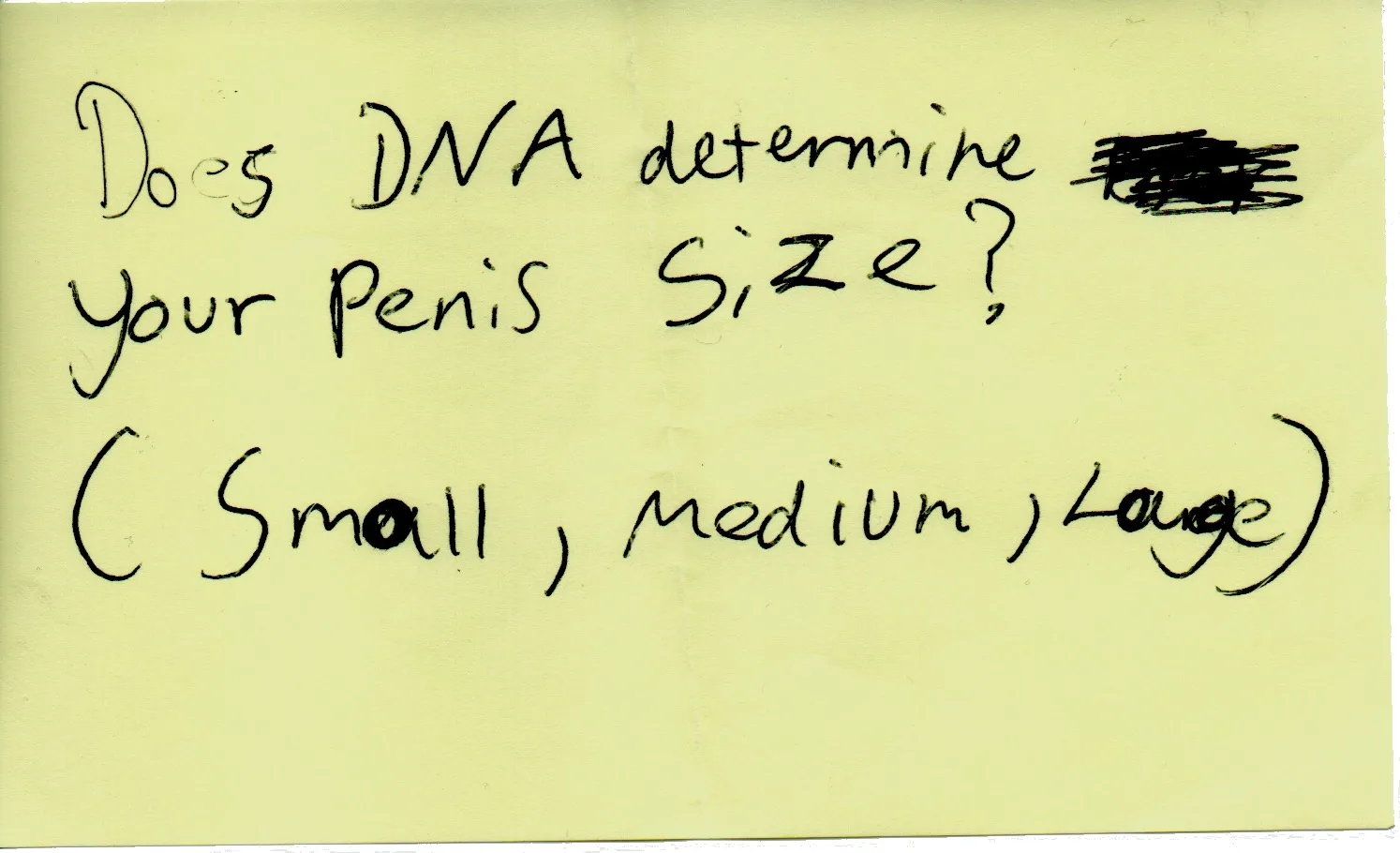
Does DNA determine your penis size?
Read the answer -
 Sex
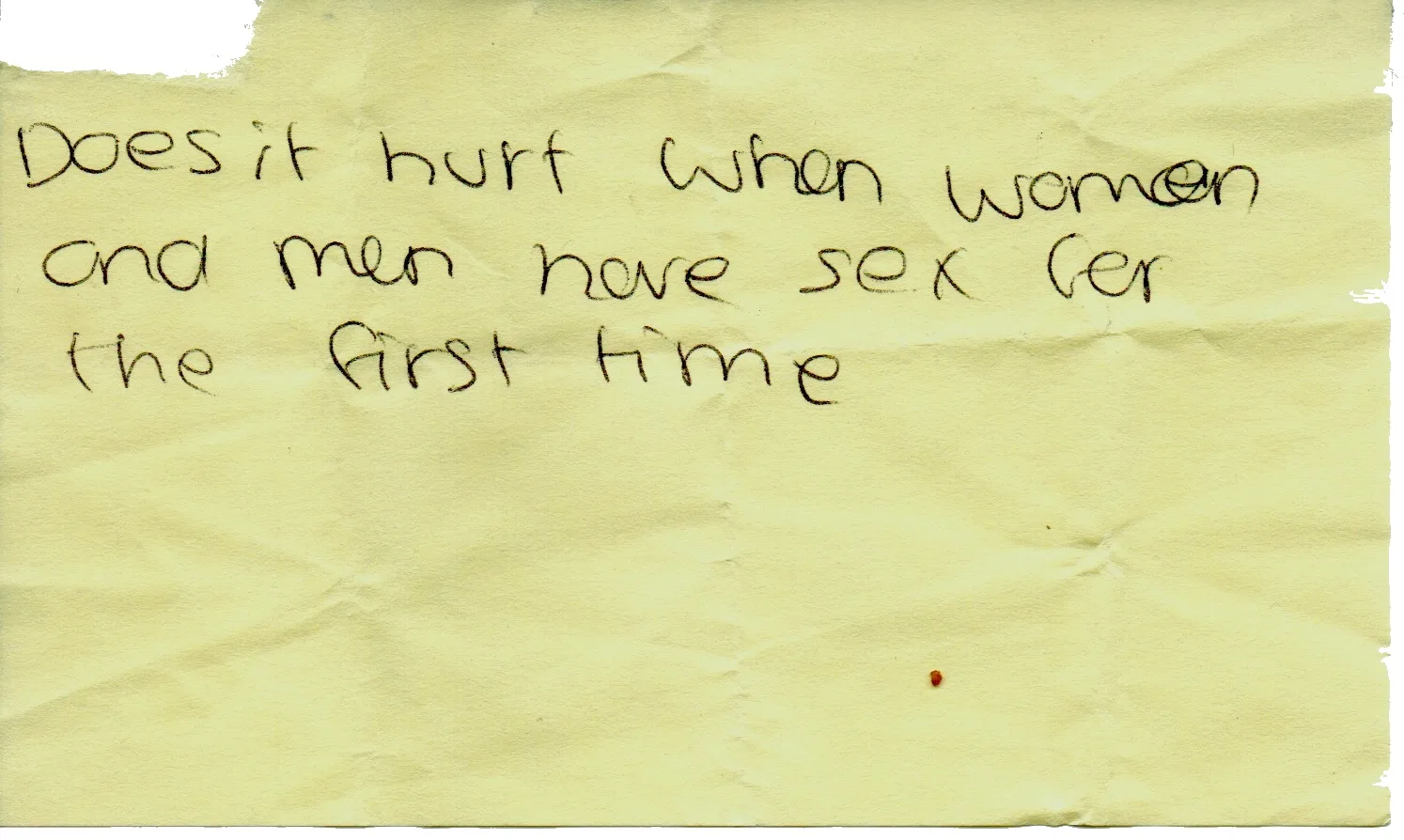
SexDoes it hurt when women and men have sex for the first time?
Read the answer -
 Sex
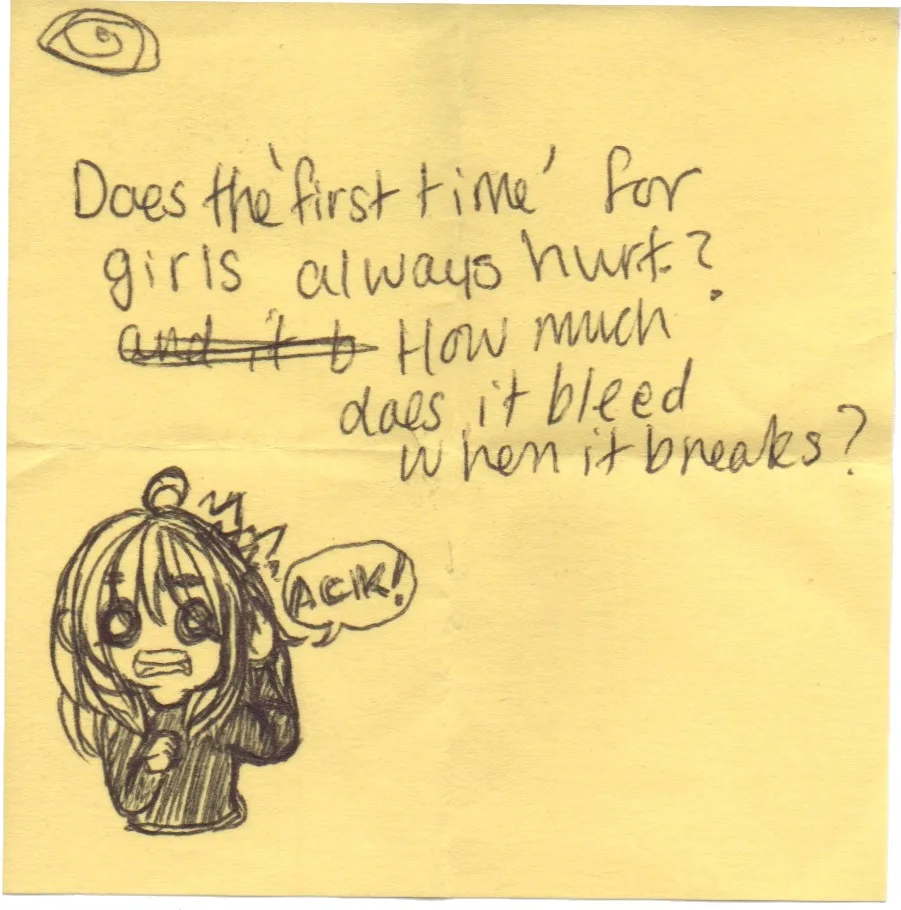
SexDoes the 1st time always hurt?
Read the answer -
 Anatomy
Does wanking help with penis growth?
Read the answer -
 Anatomy
How big is the average erect penis size?
Read the answer
Related topics
Bring Self-esteem into your school
Expert-led RSE sessions delivered directly to your students, or training for your staff to deliver with confidence.
Explore RSE delivery