

Healthy relationships
Overview
Our work on healthy relationships helps young people understand what good relationships involve — it's easy to assume they already know, but knowing and having the language to describe it are different things.
The ground this topic covers is broad — trust, communication, equality, — but also the harder stuff. What does control look like when it's disguised as care? How do you tell the difference between jealousy and concern? What does it mean to lose yourself in a relationship, and how do you find your way back?
This isn't only about romantic relationships. It's about every relationship young people are in — with friends, family, partners, and themselves. A session might focus on conflict resolution with Year 7s, or on recognising with Year 10s. The patterns start early, and the earlier we address them, the better.
Key learning outcomes
By the end of lessons on this topic, students will:
- Identify the characteristics of healthy and unhealthy relationships
- Recognise warning signs of controlling, coercive, or abusive behaviour
- Develop skills for honest communication and respectful conflict resolution
- Understand how trust, equality, and mutual respect form the foundation of good relationships
- Explore how gender norms and social expectations shape relationship dynamics
- Learn to set personal boundaries and respect the boundaries of others
- Know where to get help if a relationship feels wrong
Why teaching about healthy relationships matters
The statistics on , coercive control, and relationship violence among young people are not abstract. They are happening in your school. A third of girls and a sixth of boys report some form of intimate partner violence before the age of 18.
Healthy relationship education is preventative. It gives young people a framework — a way to measure their own experiences against something solid. And for those already in difficult situations, it can be the thing that helps them name what's happening and reach out.
Curriculum alignment
This topic addresses 22 requirements from the DfE statutory RSE guidance and 16 learning outcomes from the PSHE Association Programme of Study , across KS1, KS2, KS3, KS4, KS5.
View all curriculum references
DfE RSE Statutory Guidance 2026
- "A range of strategies for identifying, resisting and understanding pressure in relationships from peers or others, including sexual pressure, and how to avoid putting pressure on others" Secondary RSE: Being Safe, 2 · KS3, KS4
- "How advertising and information is targeted at them and how to be a discerning consumer of information online, understanding the prevalence of misinformation and disinformation online" Secondary Health: Wellbeing online, 5 · KS3, KS4
- "How inequalities of power can impact behaviour within relationships, including sexual relationships" Secondary RSE: Respectful relationships, 10 · KS3, KS4
- "How to communicate effectively and manage conflict with kindness and respect; how to be assertive and express needs and boundaries; how to manage feelings, including disappointment and frustration" Relationships Education: Respectful kind relationships, 3 · KS1, KS2
- "How to determine whether other children, adults or sources of information are trustworthy, how to judge when a relationship is unsafe, and how to seek help or advice including reporting concerns about others" Secondary RSE: Being Safe, 3 · KS3, KS4
- "How to manage conflict, and that resorting to violence is never right" Relationships Education: Caring friendships, 6 · KS1, KS2
- "How to recognise when a relationship is harmful or dangerous, including skills for recognising who to trust and who not to trust" Relationships Education: Being Safe, 5 · KS1, KS2
- "How to recognise, respect and communicate consent and boundaries in relationships, including in early romantic relationships and early sexual relationships" Secondary RSE: Being Safe, 1 · KS3, KS4
- "Practical steps they can take and skills they can develop in a range of different contexts to improve or support their relationships" Relationships Education: Respectful kind relationships, 6 · KS1, KS2
- "Sexual consent and their capacity to give, withhold or remove consent at any time, even if initially given, as well as considerations prior to sexual activity including the law, faith and family values" Secondary RSE: Intimate and sexual relationships, 3 · KS3, KS4
- "Skills for ending relationships or friendships with kindness and managing the difficult feelings that endings might bring, including disappointment, hurt or frustration" Secondary RSE: Respectful relationships, 7 · KS3, KS4
- "That each person's body belongs to them, and the differences between appropriate and inappropriate or unsafe contact, including physical contact" Relationships Education: Being Safe, 3 · KS1, KS2
- "That most friendships have ups and downs, and that these can often be worked through so that the friendship is repaired or even strengthened" Relationships Education: Caring friendships, 5 · KS1, KS2
- "That there are different types of committed, stable relationships" Secondary RSE: Families, 1 · KS3, KS4
- "The characteristics of friendships that lead to happiness and security, including mutual respect, honesty, trustworthiness, loyalty, kindness, generosity, trust, sharing interests and experiences, and support with problems and difficulties" Relationships Education: Caring friendships, 4 · KS1, KS2
- "The characteristics of positive relationships of all kinds, online and offline, including romantic relationships. Including the role of consent, trust, mutual respect, honesty, kindness, loyalty, shared interests, boundaries, tolerance, privacy, and the management of conflict" Secondary RSE: Respectful relationships, 1 · KS3, KS4
- "The difference between being assertive and being controlling, and conversely the difference between being kind to other people and neglecting your own needs" Relationships Education: Respectful kind relationships, 4 · KS1, KS2
- "The importance of setting and respecting healthy boundaries in relationships with friends, family, peers and adults" Relationships Education: Respectful kind relationships, 2 · KS1, KS2
- "The law about the age of consent, that they have a choice about whether to have sex, that many young people wait until they are older, and that people of all ages can enjoy intimate and romantic relationships without sex" Secondary RSE: Intimate and sexual relationships, 2 · KS3, KS4
- "The practical steps pupils can take and skills they can develop to support respectful and kind relationships, including skills for communicating respectfully within relationships and with strangers, including in situations of conflict" Secondary RSE: Respectful relationships, 5 · KS3, KS4
- "The role of consent, including in romantic and sexual relationships. That ethical behaviour goes beyond consent and involves kindness, care, attention to the needs and vulnerabilities of the other person, as well as an awareness of power dynamics" Secondary RSE: Respectful relationships, 8 · KS3, KS4
- "What sorts of boundaries are appropriate in friendships with peers and others (including online)" Relationships Education: Being Safe, 1 · KS1, KS2
PSHE Association Programme of Study 2020
- "About different types of relationships, including those within families, friendships, romantic or intimate relationships and the factors that can affect them" KS3 Core Theme 2: Relationships, R1 · KS3
- "About the challenges associated with getting help in domestic abuse situations of all kinds; the importance of doing so; sources of appropriate advice and support, and how to access them" KS4 Core Theme 2: Relationships, R32 · KS4
- "About the concept of consent in maturing relationships" KS4 Core Theme 2: Relationships, R18 · KS4
- "How to articulate their relationship values and to apply them in different types of relationships" KS5 Core Theme 2: Relationships, R1 · KS5
- "How to manage the breakdown of a relationship (including its digital legacy), loss and change in relationships" KS3 Core Theme 2: Relationships, R21 · KS3
- "How to seek, give, not give and withdraw consent (in all contexts, including online)" KS3 Core Theme 2: Relationships, R26 · KS3
- "That consent is freely given; that being pressurised, manipulated or coerced to agree to something is not giving consent, and how to seek help in such circumstances" KS3 Core Theme 2: Relationships, R24 · KS3
- "That the portrayal of sex in the media and social media (including pornography) can affect people's expectations of relationships and sex" KS3 Core Theme 2: Relationships, R8 · KS3
- "The effects of change, including loss, separation, divorce and bereavement; strategies for managing these and accessing support" KS3 Core Theme 2: Relationships, R22 · KS3
- "To develop and maintain healthy, pleasurable relationships and explore different levels of emotional intimacy" KS5 Core Theme 2: Relationships, R6 · KS5
- "To evaluate different degrees of emotional intimacy in relationships, the role of pleasure, how they understand the difference between 'love' and 'lust'" KS5 Core Theme 2: Relationships, R7 · KS5
- "To evaluate expectations about gender roles, behaviour and intimacy within romantic relationships" KS3 Core Theme 2: Relationships, R11 · KS3
- "To manage the ending of relationships safely and respectfully, including online" KS5 Core Theme 2: Relationships, R9 · KS5
- "To recognise when a relationship is abusive and strategies to manage this, including the skills and strategies to respond to exploitation, bullying, harassment and control in relationships" KS4 Core Theme 2: Relationships, R30-R31 · KS4
- "To understand the moral and legal responsibilities that someone seeking consent has, and the importance of respecting people's right to give, not give, or withdraw their consent" KS5 Core Theme 2: Relationships, R11 · KS5
- "To use constructive dialogue to support relationships and negotiate difficulties" KS5 Core Theme 2: Relationships, R8 · KS5
Explore ready-made lessons on Healthy relationships
Browse expert-written RSE lessons in the Tailor library, ready to use with your students.
Questions young people ask about Healthy relationships
-
 Sex & the Law
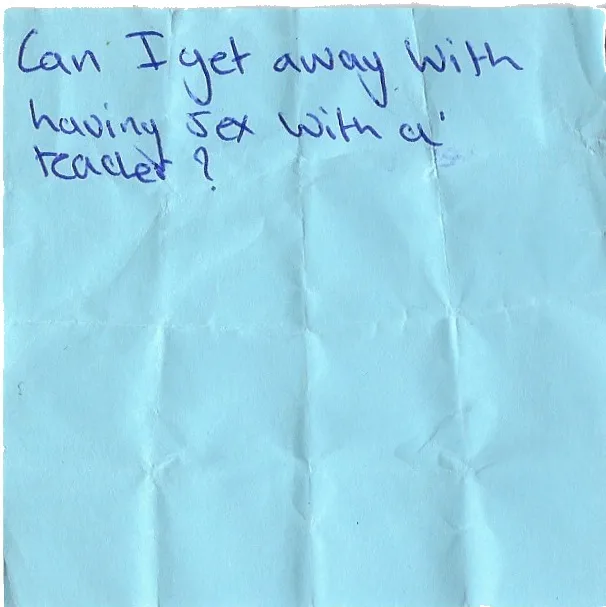
Can I get away with having sex with a teacher?
Read the answer -
 Relationships
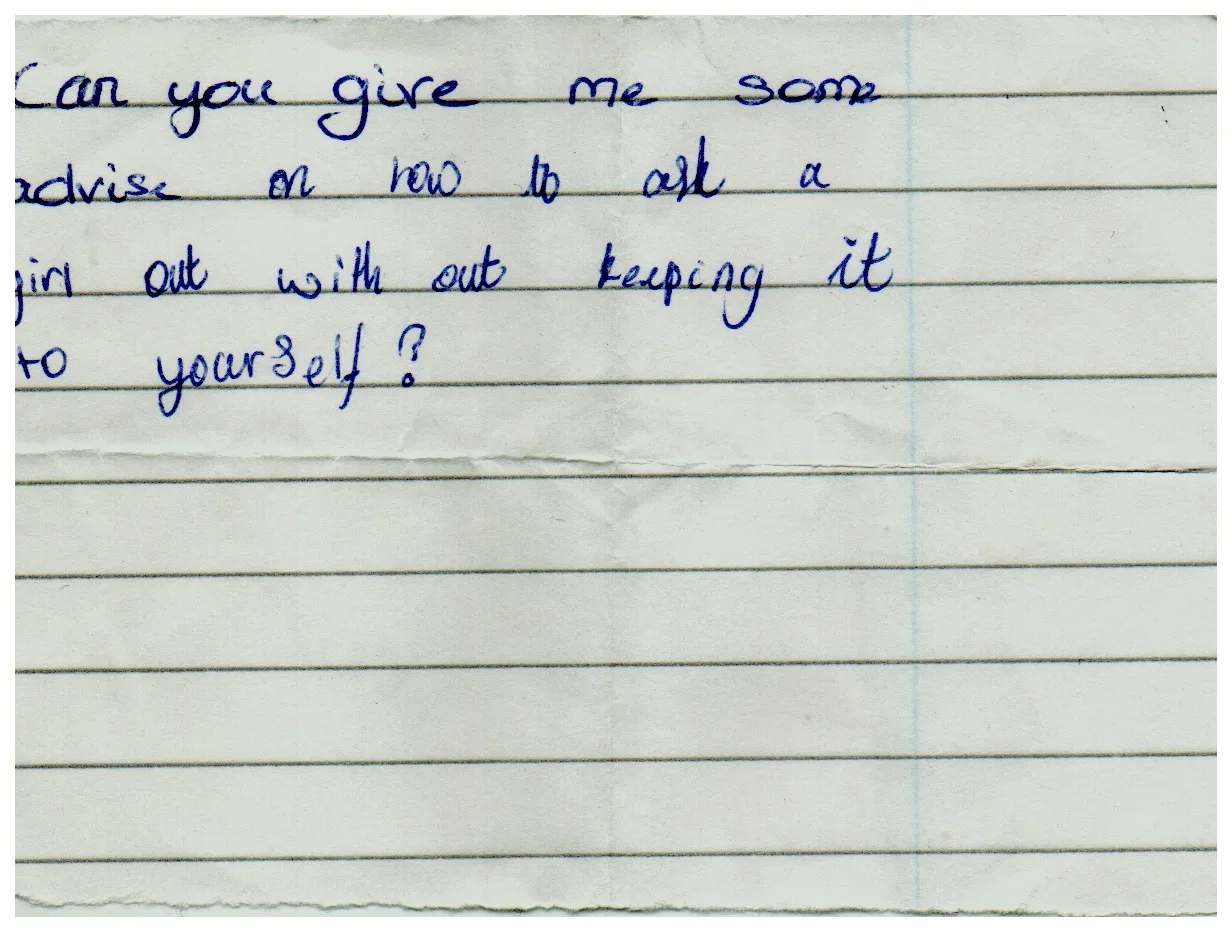
Can you give me some advice on how to ask a girl out without keeping it to yourself?
Read the answer -
 Sex & the Law
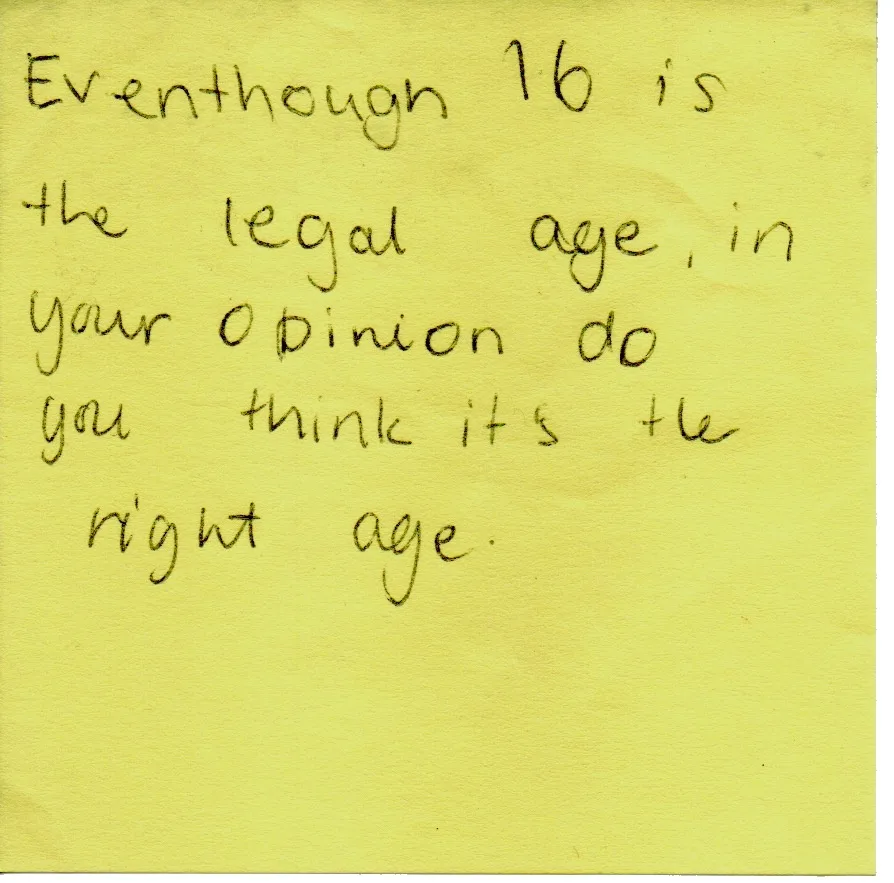
Even though 16 is the legal age, in your opinion do you it's the right age?
Read the answer -
 Sex
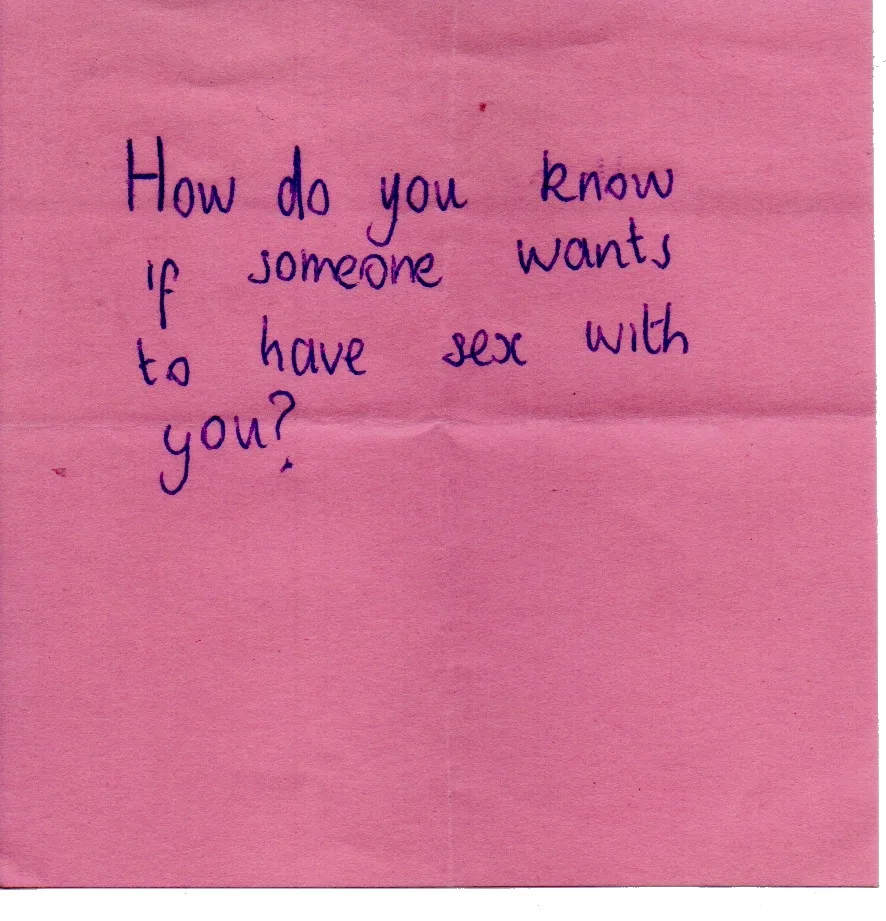
SexHow do you know if someone wants to have sex with you?
Read the answer -
 Sex
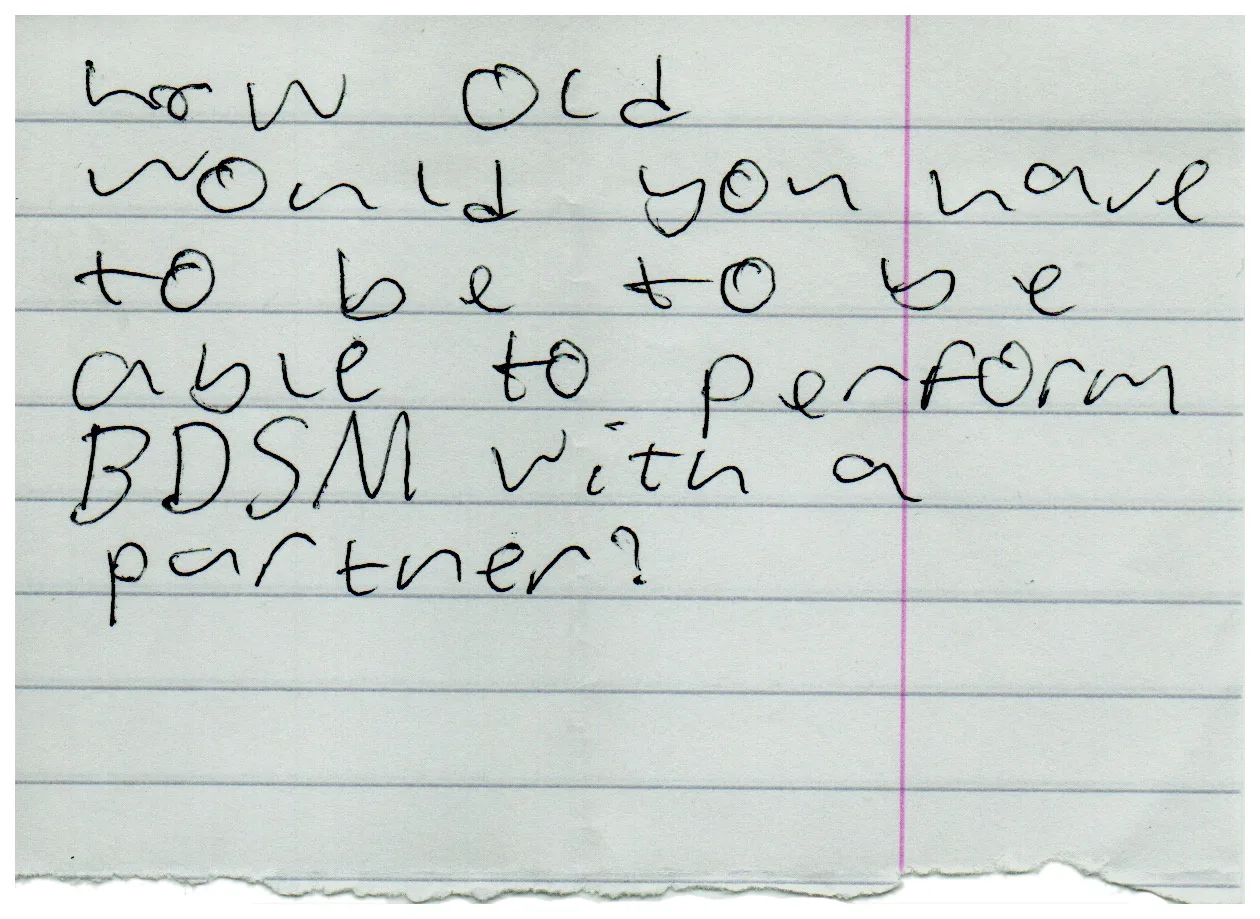
SexHow old would you have to be to be able to be able to BDSM with a partner?
Read the answer -
 Relationships
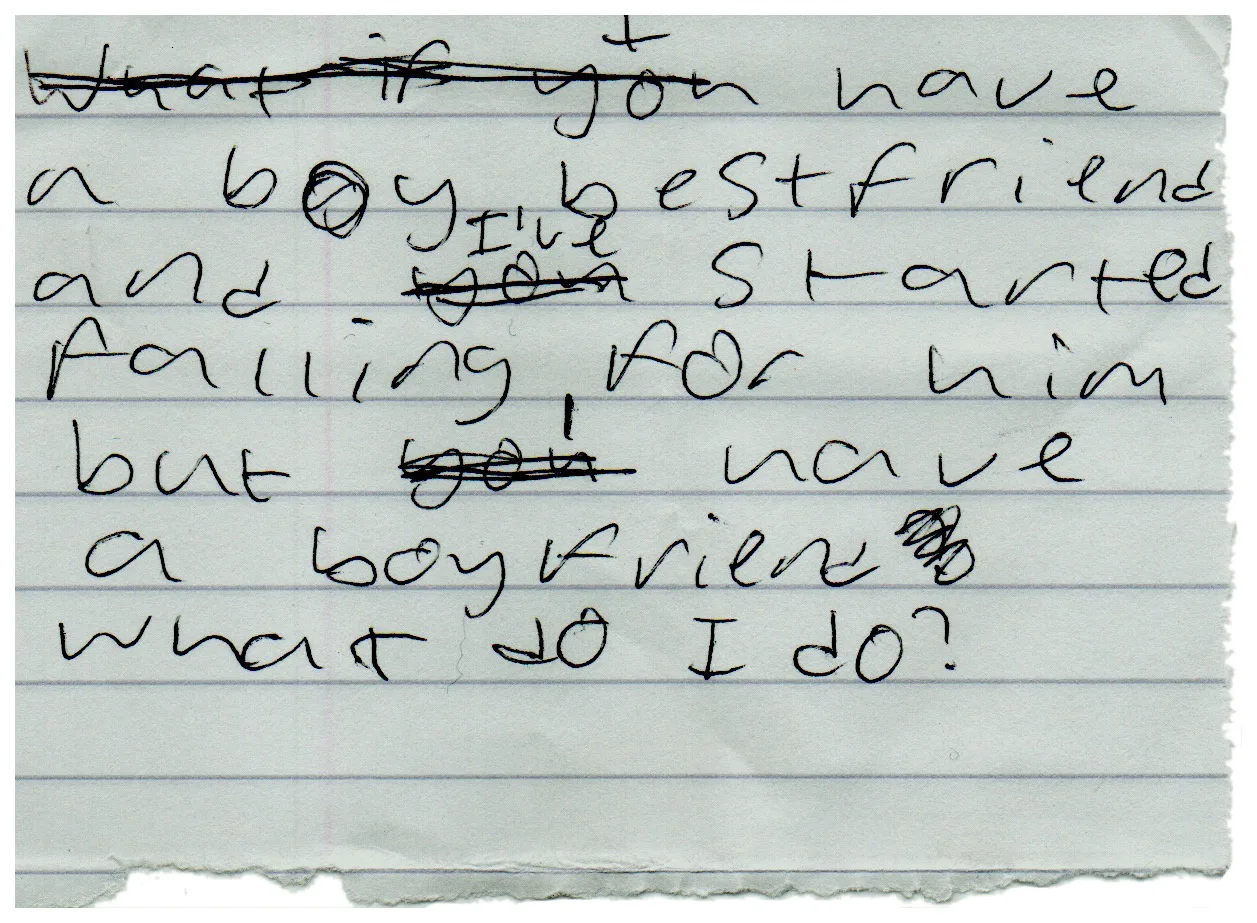
I have a boy bestfriend and I've started falling for him but have a boyfriend. What do I do?
Read the answer


Bring Healthy relationships into your school
Expert-led RSE sessions delivered directly to your students, or training for your staff to deliver with confidence.
RSE training