

Friendships
Overview
Our teaching on friendships might sound like the easy topic. It isn't. Friendships are where young people first learn about loyalty, betrayal, power, exclusion, compromise, and heartbreak — often before they have the tools to make sense of it.
This topic takes in everything from what makes a good friend and how friendships change, to , falling out, being left out, and the difference between a disagreement and bullying. For younger children, that might mean building the foundations of empathy and kindness. For older students, it gets into group dynamics, toxic friendships, and the courage it takes to walk away from people who don't treat you well.
Online friendships bring another layer. When your social life lives on a screen, the rules change. We help young people think about what real friendship looks like, whether the other person is sitting next to you or on the other side of a group chat.
Key learning outcomes
By the end of lessons on this topic, students will:
- Understand the qualities that make friendships healthy and supportive
- Recognise the difference between healthy conflict and bullying or exclusion
- Develop skills for resolving disagreements and repairing friendships
- Explore how peer pressure works and practise strategies for resisting it
- Learn to identify when a friendship has become harmful and what to do about it
- Understand how friendships operate differently online and the particular risks that brings
- Build empathy and the confidence to include others and stand up for those being left out
Why teaching about friendships matters
Friendship is the first relationship young people have outside their family, and it shapes everything that follows. A child who is repeatedly excluded learns something about their worth. A teenager who can't escape a toxic friend group carries that dynamic into future relationships.
Friendships don't always get the airtime they deserve in a crowded curriculum. But when friendship goes wrong, the impact on everything else — attendance, mental health, behaviour, learning — makes the case for giving them that time.
Curriculum alignment
This topic addresses 25 requirements from the DfE statutory RSE guidance and 10 learning outcomes from the PSHE Association Programme of Study , across KS1, KS2, KS3, KS4, KS5.
View all curriculum references
DfE RSE Statutory Guidance 2026
- "A range of strategies for identifying, resisting and understanding pressure in relationships from peers or others, including sexual pressure, and how to avoid putting pressure on others" Secondary RSE: Being Safe, 2 · KS3, KS4
- "How important friendships are in making us feel happy and secure, and how people choose and make friends" Relationships Education: Caring friendships, 1 · KS1, KS2
- "How to communicate effectively and manage conflict with kindness and respect; how to be assertive and express needs and boundaries; how to manage feelings, including disappointment and frustration" Relationships Education: Respectful kind relationships, 3 · KS1, KS2
- "How to critically evaluate their online relationships and sources of information, including awareness of the risks associated with people they have never met" Relationships Education: Online safety and awareness, 2 · KS1, KS2
- "How to develop key social and emotional skills that will increase pupils' safety from involvement in conflict and violence, including skills to recognise and manage peer pressure" Secondary Health: Personal safety, 3 · KS3, KS4
- "How to judge whether what they are feeling and how they are behaving is appropriate and proportionate" Health Education: General wellbeing, 5 · KS1, KS2
- "How to pay attention to the needs and preferences of others, including in families and friendships" Relationships Education: Respectful kind relationships, 1 · KS1, KS2
- "How to recognise and manage peer influence in relation to risk-taking behaviour and personal safety, including peer influence online and on social media" Secondary Health: Personal safety, 2 · KS3, KS4
- "How to recognise feelings and use varied vocabulary to talk about their own and others' feelings" Health Education: General wellbeing, 4 · KS1, KS2
- "How to recognise when a friendship is making them feel unhappy or uncomfortable, and how to get support when needed" Relationships Education: Caring friendships, 7 · KS1, KS2
- "How to recognise, respect and communicate consent and boundaries in relationships, including in early romantic relationships and early sexual relationships" Secondary RSE: Being Safe, 1 · KS3, KS4
- "How to talk about their emotions accurately and sensitively, using appropriate vocabulary" Secondary Health: Mental wellbeing, 1 · KS3, KS4
- "That abuse, bullying and harassment can take place online and that this can impact wellbeing. How to seek support from trusted adults" Health Education: Wellbeing online, 8 · KS1, KS2
- "That bullying (including cyberbullying) has a negative and often lasting impact on mental wellbeing and how to seek help for themselves or others" Health Education: General wellbeing, 7 · KS1, KS2
- "That each person's body belongs to them, and the differences between appropriate and inappropriate or unsafe contact, including physical contact" Relationships Education: Being Safe, 3 · KS1, KS2
- "That healthy friendships are positive and welcoming towards others, and do not make others feel lonely or excluded" Relationships Education: Caring friendships, 2 · KS1, KS2
- "That most friendships have ups and downs, and that these can often be worked through so that the friendship is repaired or even strengthened" Relationships Education: Caring friendships, 5 · KS1, KS2
- "That worrying and feeling down are normal, can affect everyone at different times and are not in themselves a sign of a mental health condition" Secondary Health: Mental wellbeing, 4 · KS3, KS4
- "The characteristics of friendships that lead to happiness and security, including mutual respect, honesty, trustworthiness, loyalty, kindness, generosity, trust, sharing interests and experiences, and support with problems and difficulties" Relationships Education: Caring friendships, 4 · KS1, KS2
- "The difference between being assertive and being controlling, and conversely the difference between being kind to other people and neglecting your own needs" Relationships Education: Respectful kind relationships, 4 · KS1, KS2
- "The different types of bullying (including online bullying), the impact of bullying, responsibilities of bystanders (primarily reporting bullying to an adult), and how to get help" Relationships Education: Respectful kind relationships, 9 · KS1, KS2
- "The different types of bullying (including online bullying), the impact of bullying, the responsibilities of bystanders to report bullying and how and where to get help" Secondary RSE: Respectful relationships, 6 · KS3, KS4
- "The importance of setting and respecting healthy boundaries in relationships with friends, family, peers and adults" Relationships Education: Respectful kind relationships, 2 · KS1, KS2
- "The range and scale of emotions (e.g. happiness, sadness, anger, fear, surprise, nervousness) that they might experience in different situations. That worrying and feeling down are normal, affect everyone at different times, and are not in themselves a sign of a mental health condition" Health Education: General wellbeing, 3 · KS1, KS2
- "What sorts of boundaries are appropriate in friendships with peers and others (including online)" Relationships Education: Being Safe, 1 · KS1, KS2
PSHE Association Programme of Study 2020
- "About the factors that contribute to young people joining gangs; the social, legal and physical consequences of gang behaviours" KS3 Core Theme 2: Relationships, R45 · KS3
- "Different things they can do to manage big feelings, to help calm themselves down and/or change their mood when they don't feel good" KS1 Core Theme 1: Health and Wellbeing, H18 · KS1, KS2
- "Strategies to develop assertiveness and build resilience to peer and other influences that affect how they think about themselves and their health and wellbeing" KS4 Core Theme 1: Health and Wellbeing, H4 · KS4
- "The risks associated with gambling and recognise that chance-based transactions can carry similar risks; strategies for managing peer and other influences relating to gambling" KS3 Core Theme 1: Health and Wellbeing, H32 · KS3
- "The role peers can play in supporting one another to resist pressure and influence, challenge harmful social norms and access appropriate support" KS3 Core Theme 2: Relationships, R43 · KS3
- "To manage mature friendships, including making friends in new places" KS5 Core Theme 2: Relationships, R4 · KS5
- "To manage personal safety in new relationships, including online activity or when meeting someone for the first time whom they met online" KS5 Core Theme 2: Relationships, R5 · KS5
- "To recognise and manage negative influence, manipulation and persuasion in a variety of contexts, including online" KS5 Core Theme 2: Relationships, R19 · KS5
- "To recognise peer influence and to develop strategies for managing it, including online" KS3 Core Theme 2: Relationships, R42 · KS3
- "To recognise that feelings can change over time and range in intensity" KS1-2 Core Theme 1: Health and Wellbeing, H17 · KS1, KS2
Explore ready-made lessons on Friendships
Browse expert-written RSE lessons in the Tailor library, ready to use with your students.
Questions young people ask about Friendships
-
 Sex
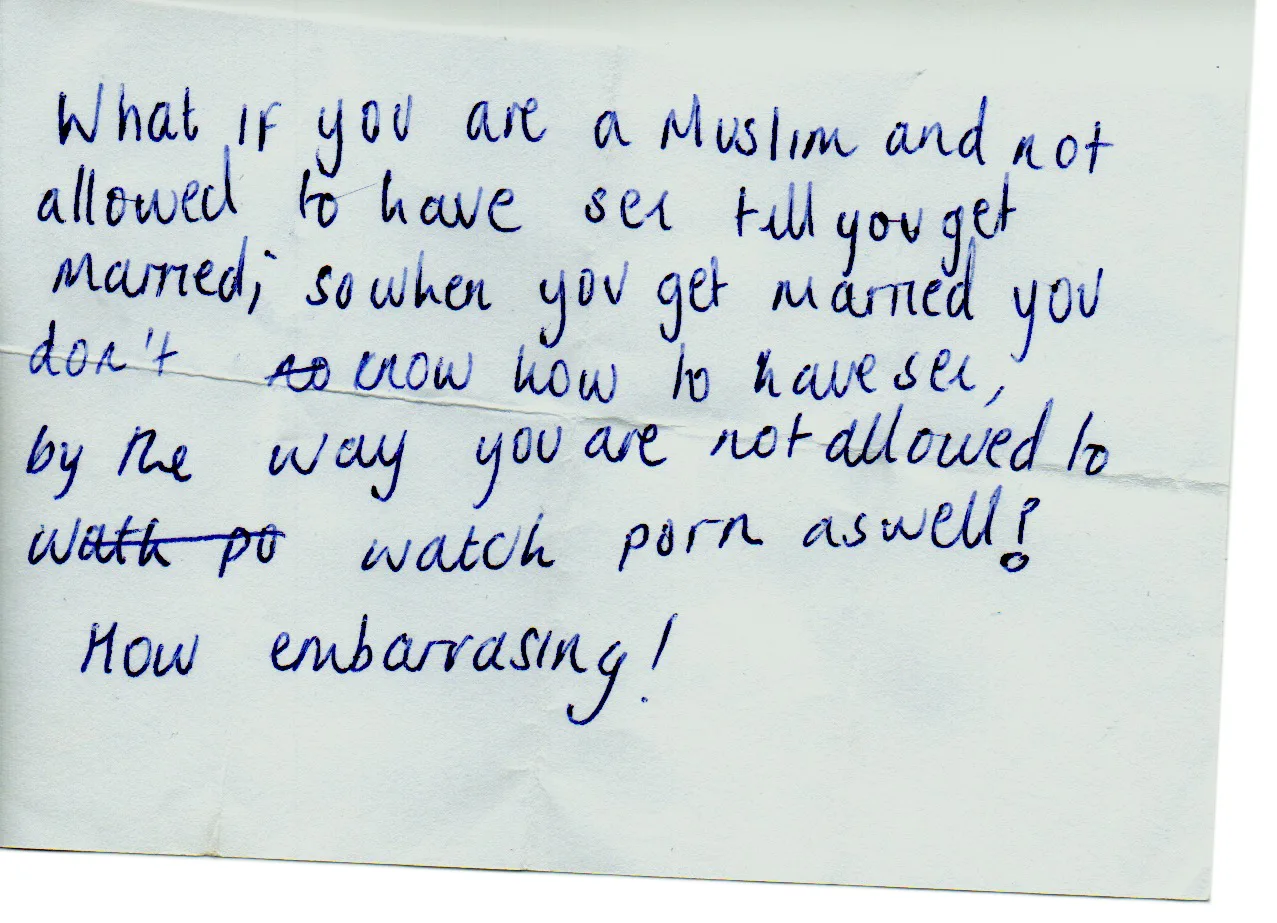
SexWhat if you are a Muslim and not allowed to have sex till you get married, so when you get married, you don't know how to have sex, by the way you are not allowed to watch porn as well! How embarrassing!
Read the answer -
 Relationships
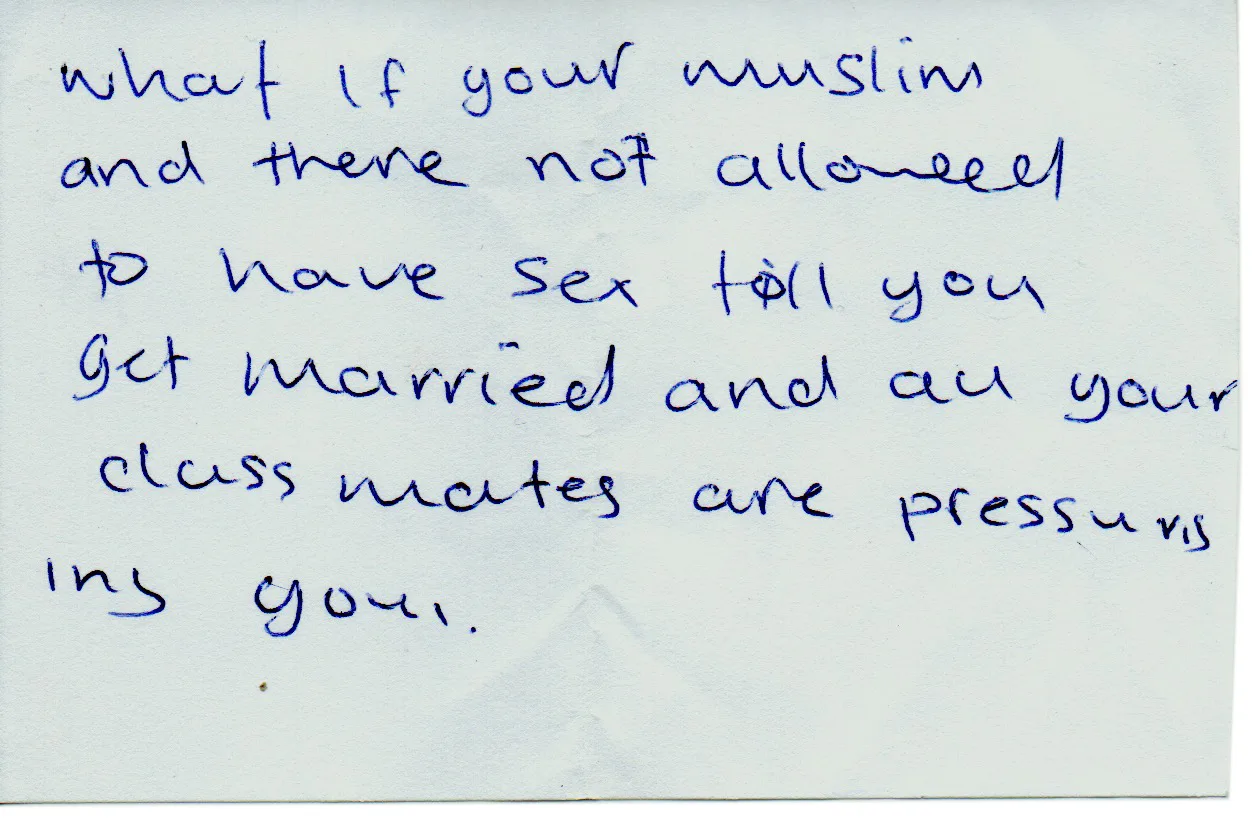
What if you're muslim and not allowed to have sex till you get married and all your classmates are pressuring you?
Read the answer

Bring Friendships into your school
Expert-led RSE sessions delivered directly to your students, or training for your staff to deliver with confidence.
RSE training