
Abuse, exploitation and violence
Overview
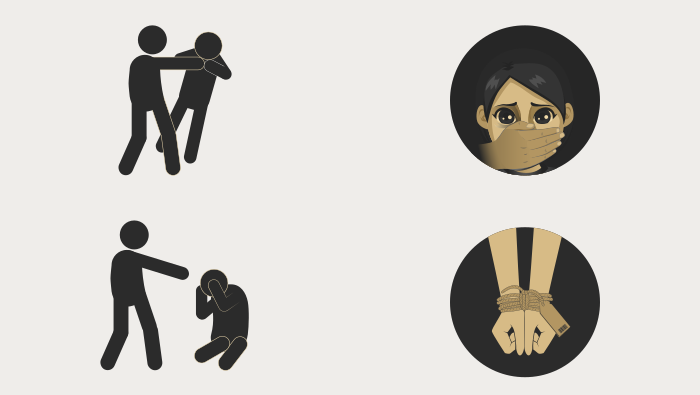
Our teaching on abuse, exploitation and violence gives young people the knowledge to recognise harm — whether it's happening to them, to someone they know, or in the world around them.
This topic covers the different forms of abuse: physical, emotional, sexual, and neglect. It takes in , exploitation, and the ways abusers manipulate trust. It addresses sexual harassment — in schools, online, and in public. For younger children, this might start with understanding safe and unsafe touches, recognising secrets that feel wrong, and knowing how to tell a trusted adult. For older students, it might mean exploring coercive control in relationships or understanding bystander intervention.
We don't soften this topic. Young people need to hear it clearly: abuse is never the victim's fault, it can happen to anyone, and speaking up is always the right thing to do — even when it feels impossible.
Key learning outcomes
By the end of lessons on this topic, students will:
- Recognise the different forms of abuse and their warning signs
- Understand how abusers use manipulation, , and coercion
- Learn about sexual harassment and harmful sexual behaviour, including in school settings
- Develop the confidence to speak up as a bystander when they witness harmful behaviour
- Know how and where to report abuse or concerns about someone's safety
- Understand that abuse is never the victim's fault, regardless of circumstances
- Explore the concept of coercive control and recognise it in relationships
Why teaching about abuse, exploitation and violence matters
One in five children in the UK experiences some form of abuse before the age of 16. Many of them never tell anyone. Not because they don't want help, but because they don't have the words, or they've been made to believe it's normal, or they think no one will believe them.
Education is the most powerful tool we have to change that. When young people can recognise abuse, name what's happening, and know that help exists — they are more likely to disclose. And for the young people watching, bystander education can be the difference between looking away and stepping in.
Curriculum alignment
This topic addresses 32 requirements from the DfE statutory RSE guidance and 10 learning outcomes from the PSHE Association Programme of Study , across KS1, KS2, KS3, KS4, KS5.
View all curriculum references
DfE RSE Statutory Guidance 2026
- "About risks of sextortion, how to identify online scams relating to sex, and how to seek support if they have been scammed or involved in sextortion" Secondary RSE: Online safety and awareness, 14 · KS3, KS4
- "How and where to seek support for concerns around sexual relationships including sexual violence or harms" Secondary RSE: Intimate and sexual relationships, 11 · KS3, KS4
- "How inequalities of power can impact behaviour within relationships, including sexual relationships" Secondary RSE: Respectful relationships, 10 · KS3, KS4
- "How to ask for advice or help for themselves or others, and to keep trying until they are heard. Where to get advice e.g. family, school and/or other sources" Relationships Education: Being Safe, 7 · KS1, KS2
- "How to critically evaluate their online relationships and sources of information, including awareness of the risks associated with people they have never met" Relationships Education: Online safety and awareness, 2 · KS1, KS2
- "How to identify harmful behaviours online (including bullying, abuse or harassment) and how to report, or find support, if they have been affected by those behaviours" Secondary Health: Wellbeing online, 3 · KS3, KS4
- "How to judge when a relationship is unsafe and where to seek help when needed, including when pupils are concerned about violence, harm, or when they are unsure who to trust" Secondary RSE: Families, 8 · KS3, KS4
- "How to recognise if family relationships are making them feel unhappy or unsafe, and how to seek help or advice from others if needed" Relationships Education: Families and people who care for me, 6 · KS1, KS2
- "How to recognise when a friendship is making them feel unhappy or uncomfortable, and how to get support when needed" Relationships Education: Caring friendships, 7 · KS1, KS2
- "How to report abuse, concerns about something seen online or experienced in real life, or feelings of being unsafe or feeling bad about any adult and the vocabulary and confidence needed to do so" Relationships Education: Being Safe, 6 · KS1, KS2
- "How to seek help when needed, including when they are concerned about violence, harm, or when they are unsure who to trust" Relationships Education: Respectful kind relationships, 11 · KS1, KS2
- "How to seek support for their own worrying or abusive behaviour or for worrying or abusive behaviour they have experienced from others, including information on where to report abuse" Secondary RSE: Being Safe, 16 · KS3, KS4
- "That fixated, obsessive, unwanted and repeated behaviours can be criminal, and where to get help if needed" Secondary RSE: Being Safe, 10 · KS3, KS4
- "That isolation and loneliness can affect children, and the benefits of seeking support" Health Education: General wellbeing, 6 · KS1, KS2
- "That sexual harassment includes unsolicited sexual language/attention/touching, taking and/or sharing intimate or sexual images without consent, public sexual harassment, pressuring other people to do sexual things, and upskirting" Secondary RSE: Being Safe, 6 · KS3, KS4
- "That some sexual behaviours can be harmful" Secondary RSE: Intimate and sexual relationships, 5 · KS3, KS4
- "That strangulation and suffocation are criminal offences, and that any activity that involves applying force or pressure to someone's neck or covering someone's mouth and nose is dangerous and can lead to serious injury or death" Secondary RSE: Being Safe, 14 · KS3, KS4
- "That the internet contains a lot of content that can be inappropriate and upsetting for children, and where to go for advice and support when they feel worried or concerned about something they have seen online" Relationships Education: Online safety and awareness, 6 · KS1, KS2
- "The concept of privacy and its implications for both children and adults; including that it is not always right to keep secrets if they relate to being safe" Relationships Education: Being Safe, 2 · KS1, KS2
- "The concepts and laws relating to domestic abuse, including controlling or coercive behaviour, emotional, sexual, economic or physical abuse, and violent or threatening behaviour" Secondary RSE: Being Safe, 9 · KS3, KS4
- "The concepts and laws relating to harmful sexual behaviour, which includes all types of sexual harassment and sexual violence among young people" Secondary RSE: Being Safe, 8 · KS3, KS4
- "The concepts and laws relating to harms which are exploitative, including sexual exploitation, criminal exploitation and abuse, grooming, and financial exploitation" Secondary RSE: Being Safe, 11 · KS3, KS4
- "The concepts and laws relating to sexual violence, including rape and sexual assault" Secondary RSE: Being Safe, 7 · KS3, KS4
- "The different types of bullying (including online bullying), the impact of bullying, responsibilities of bystanders (primarily reporting bullying to an adult), and how to get help" Relationships Education: Respectful kind relationships, 9 · KS1, KS2
- "The different types of bullying (including online bullying), the impact of bullying, the responsibilities of bystanders to report bullying and how and where to get help" Secondary RSE: Respectful relationships, 6 · KS3, KS4
- "The risks and signs that they may be at risk of grooming or exploitation, and how to seek help where there is a concern" Secondary Health: Personal safety, 6 · KS3, KS4
- "The role of consent, including in romantic and sexual relationships. That ethical behaviour goes beyond consent and involves kindness, care, attention to the needs and vulnerabilities of the other person, as well as an awareness of power dynamics" Secondary RSE: Respectful relationships, 8 · KS3, KS4
- "Understanding which trusted adults they can talk to if pupils are worried about violence and/or knife crime" Secondary Health: Personal safety, 4 · KS3, KS4
- "What constitutes sexual harassment or sexual violence, and that such behaviour is unacceptable, emphasising that it is never the fault of the person experiencing it" Secondary RSE: Being Safe, 5 · KS3, KS4
- "What to do and how to report when they are concerned about material that has been circulated, including personal information, images or videos" Secondary RSE: Online safety and awareness, 6 · KS3, KS4
- "Where and how to report concerns and get support with issues online" Health Education: Wellbeing online, 11 · KS1, KS2
- "Where and how to seek support (including recognising the triggers for seeking support), including who in school they should speak to if they are worried about their own or someone else's mental wellbeing or ability to control their emotions" Health Education: General wellbeing, 9 · KS1, KS2
PSHE Association Programme of Study 2020
- "About the challenges associated with getting help in domestic abuse situations of all kinds; the importance of doing so; sources of appropriate advice and support, and how to access them" KS4 Core Theme 2: Relationships, R32 · KS4
- "How to recognise, and seek help in the case of, sexual abuse, exploitation, assault or rape, and the process for reporting to appropriate authorities" KS5 Core Theme 2: Relationships, R13 · KS5
- "That consent is freely given; that being pressurised, manipulated or coerced to agree to something is not giving consent, and how to seek help in such circumstances" KS3 Core Theme 2: Relationships, R24 · KS3
- "The causes and triggers for unhealthy coping strategies, such as self-harm and eating disorders, and the need to seek help for themselves or others as soon as possible" KS3 Core Theme 1: Health and Wellbeing, H11 · KS3
- "The characteristics of abusive behaviours, such as grooming, sexual harassment, sexual and emotional abuse, violence and exploitation; to recognise warning signs, including online; how to report abusive behaviours or access support" KS3 Core Theme 2: Relationships, R37 · KS3
- "The role peers can play in supporting one another to resist pressure and influence, challenge harmful social norms and access appropriate support" KS3 Core Theme 2: Relationships, R43 · KS3
- "To recognise and manage different forms of abuse, sources of support and exit strategies for unhealthy relationships" KS5 Core Theme 2: Relationships, R20 · KS5
- "To recognise and manage negative influence, manipulation and persuasion in a variety of contexts, including online" KS5 Core Theme 2: Relationships, R19 · KS5
- "To recognise when a relationship is abusive and strategies to manage this, including the skills and strategies to respond to exploitation, bullying, harassment and control in relationships" KS4 Core Theme 2: Relationships, R30-R31 · KS4
- "To understand their rights in relation to harassment (including online) and stalking, how to respond and how to access support" KS5 Core Theme 2: Relationships, R22 · KS5
Explore ready-made lessons on Abuse, exploitation and violence
Browse expert-written RSE lessons in the Tailor library, ready to use with your students.
Questions young people ask about Abuse, exploitation and violence
-
 Sex & the Law
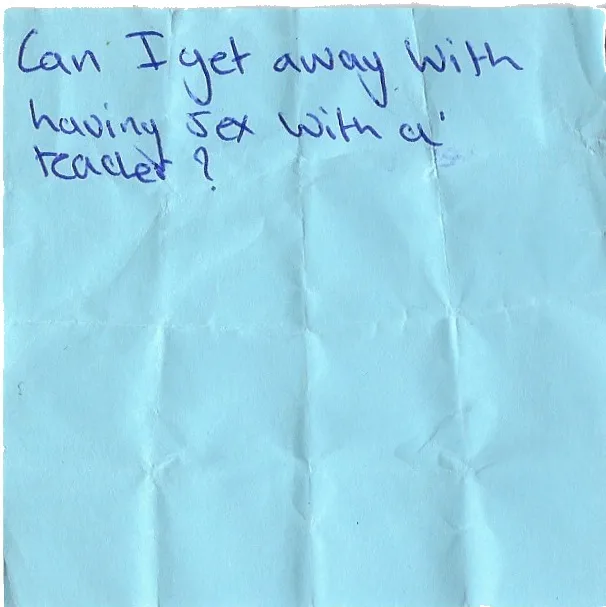
Can I get away with having sex with a teacher?
Read the answer -
 Relationships
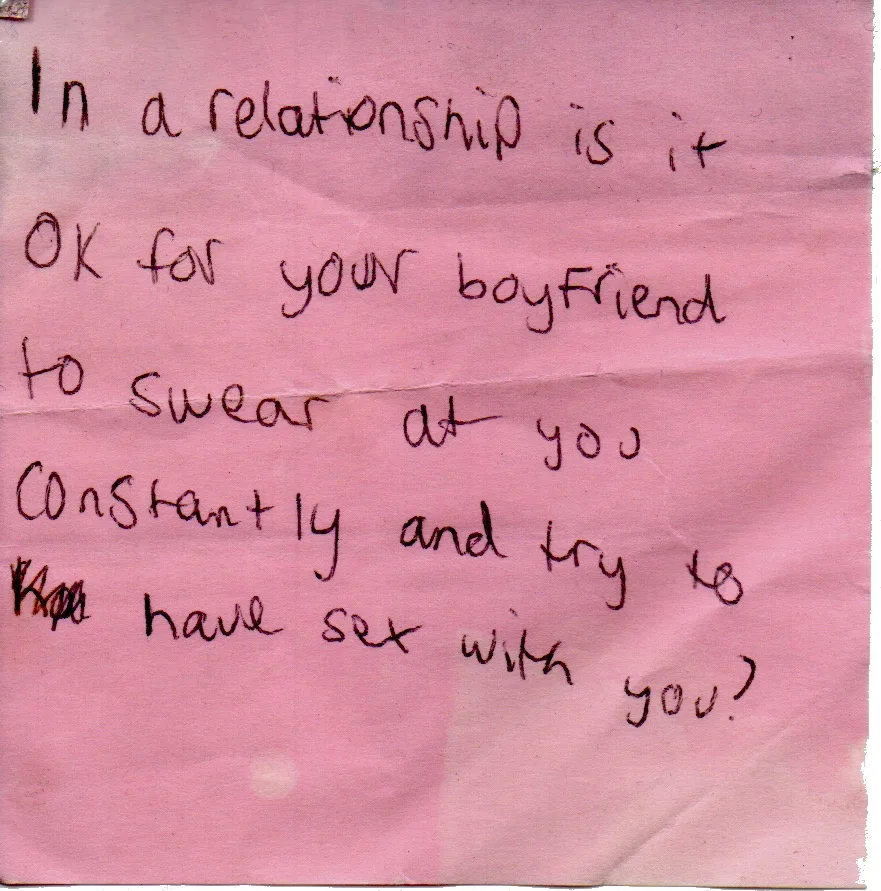
In a relationship is it OK for your boyfriend to swear at you constantly and try to have sex with you?
Read the answer -
 Sex & the Law
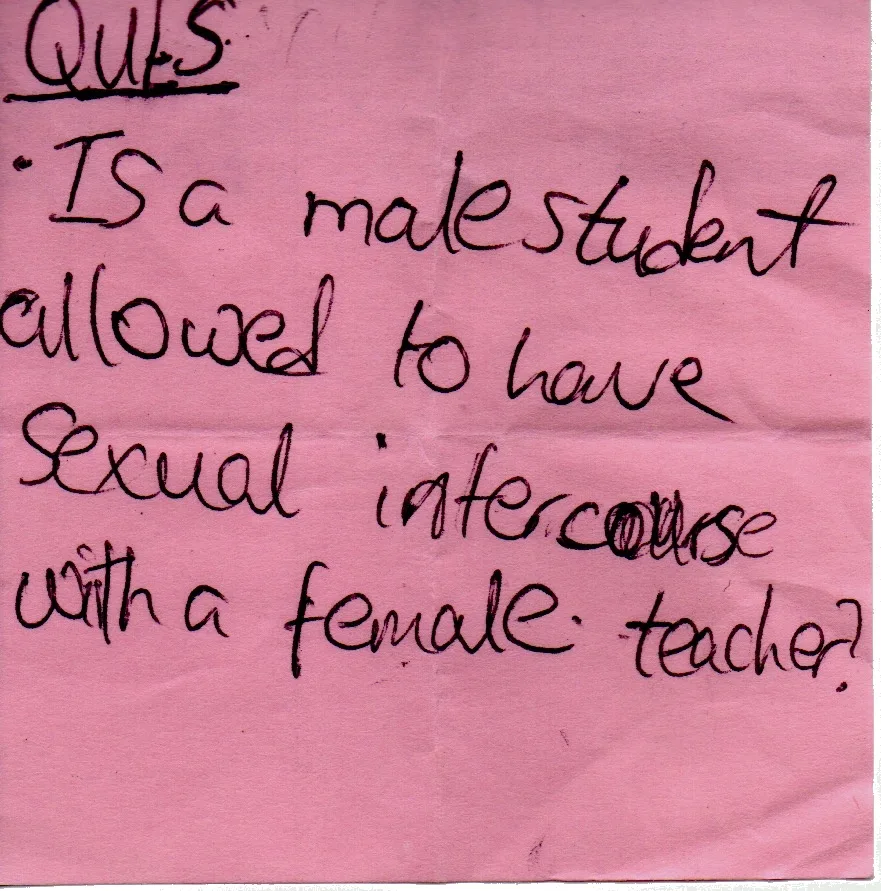
Is a male student allowed to have sexual intercourse with a female teacher?
Read the answer -
 Relationships
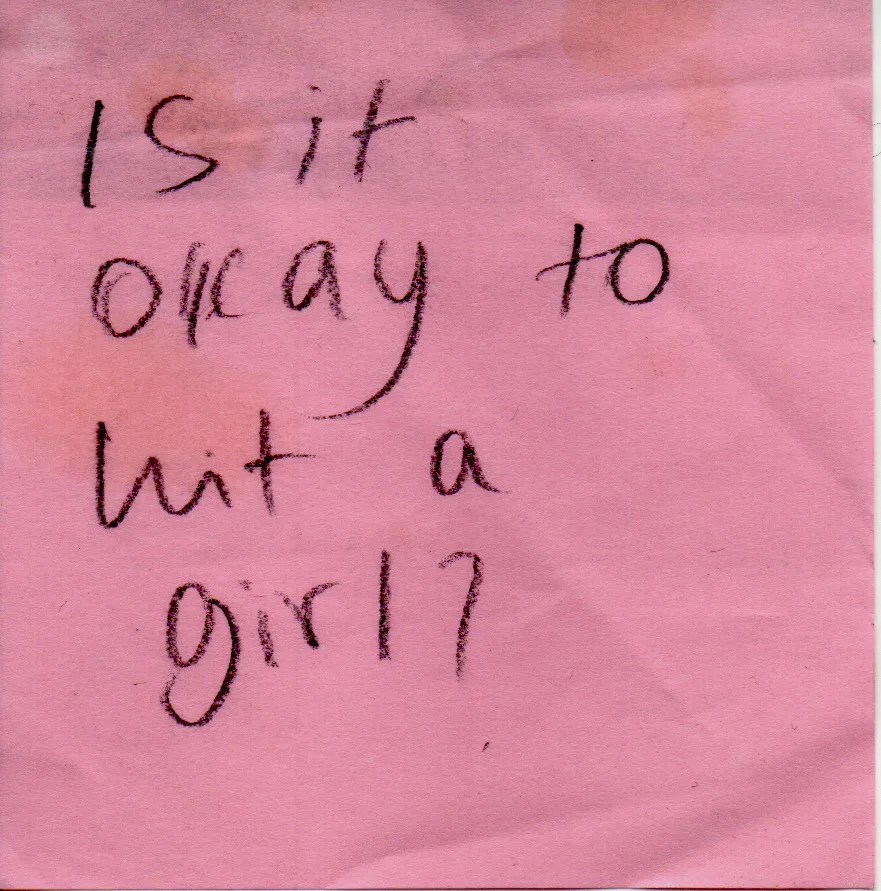
Is it ok to hit a girl?
Read the answer -
 Relationships
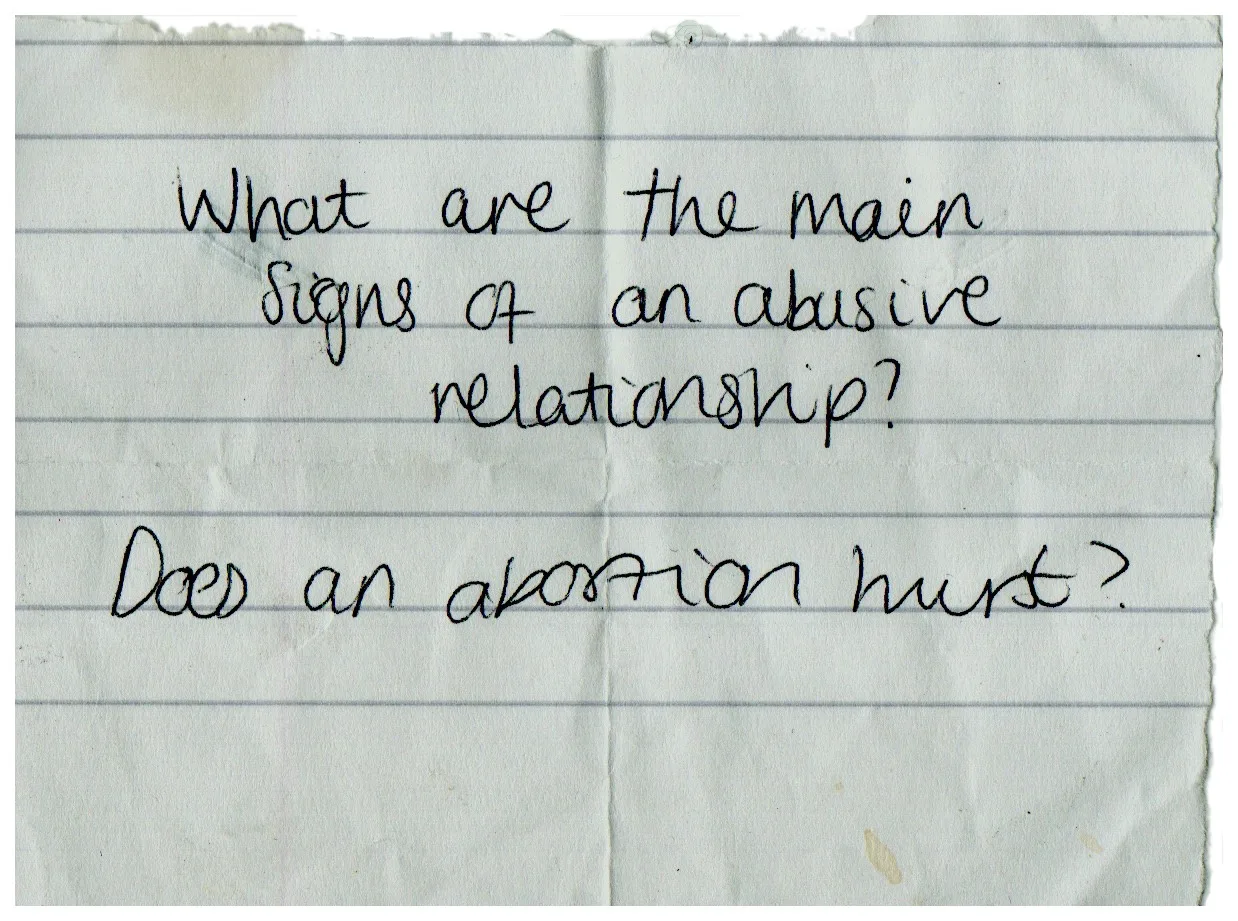
What are the main signs of an abusive relationship?
Read the answer -
 Sex & the Law
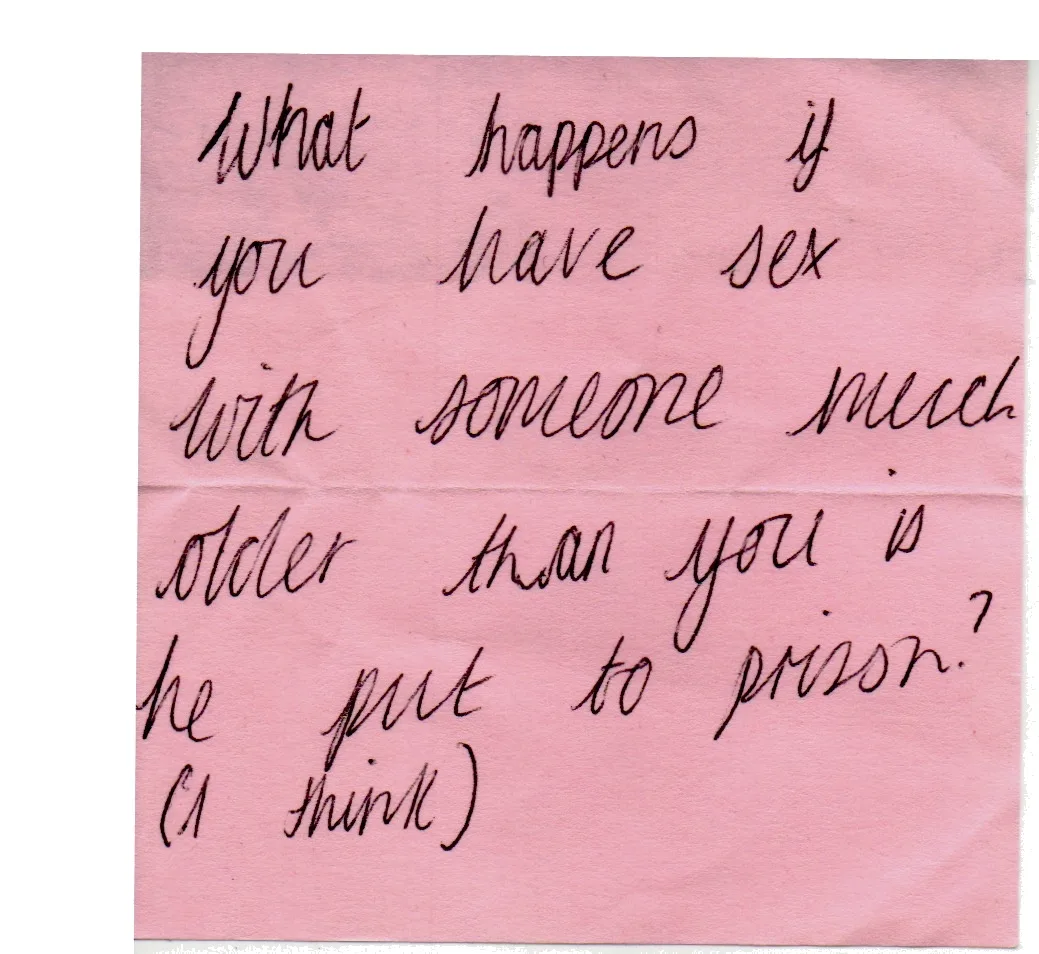
What happens if you have sex with someone much older than you?
Read the answer
Bring Abuse, exploitation and violence into your school
Expert-led RSE sessions delivered directly to your students, or training for your staff to deliver with confidence.
Explore RSE delivery