
Vagina
The internal muscular canal connecting the vulva to the cervix. It's elastic and changes size depending on arousal.
The vagina is the stretchy passage inside a girl's or woman's body that connects the outside to the womb. Period blood comes out through it, and it's where a baby passes through during birth. It's different from the outside part, which is called the vulva.
The vagina is the internal muscular canal that connects the (the outside) to the (the entrance to the ). It's where blood leaves the body, where penetrative vaginal sex happens, and where a baby passes through during vaginal birth. It's elastic, self-cleaning, and often confused with the vulva — which is actually the external part.
- The vagina is the internal canal. The vulva is the outside. People mix these up all the time.
- It's about 8-10cm long on average, but it stretches during and birth.
- It self-cleans through — you don't need to wash inside it.
- The vaginal walls are muscular and flexible, lined with mucous membrane.
- It produces natural lubrication during arousal.
[DIAGRAM: Labelled cross-section diagram of the vagina showing vaginal canal, opening, and relationship to cervix and uterus]
Vagina vs vulva
This is one of the most common anatomy mix-ups. The vagina is the inside — the canal you can't see from the outside. The vulva is the outside — the , , urethral opening, and vaginal opening. When people say "vagina" they often mean the whole area, but technically the vagina is just the internal part. Both words are in this glossary with their own entries.
How it works
The vaginal walls are made of stretchy, muscular tissue with a moist lining. When you're not aroused, the walls touch each other — the vagina isn't an open tube. During arousal, blood flow increases to the area, the vagina produces lubrication (gets wet), and it lengthens and widens slightly to accommodate . During childbirth, it stretches dramatically to allow a baby through, and returns to roughly its original size afterwards.
The cervix sits at the top of the vagina — it's the narrow entrance to the uterus. You can sometimes feel it with a finger (it feels like a smooth, firm bump with a small dimple in the centre).
Self-cleaning
The vagina cleans itself through discharge — the fluid that comes out naturally throughout the . This discharge maintains a slightly acidic pH that protects against infections. Douching (washing inside the vagina) disrupts this balance and increases the risk of infections like bacterial vaginosis and . The inside of the vagina doesn't need soap, water, or any products. Wash the vulva (outside) with water or mild soap — leave the inside alone.
Things people get wrong
"The vagina gets 'loose' from sex." It doesn't. The vagina is elastic — it stretches during sex and returns to its resting state afterwards. The idea that sex permanently changes its size is a myth used to shame people.
"Vaginas should smell like flowers." They shouldn't. A healthy vagina has a natural, mild smell that varies with the cycle, diet, and activity. Perfumed products marketed at vaginas create problems, not solutions.
"The vagina and the vulva are the same thing." They're not. Vagina = inside. Vulva = outside. Both matter, and using the correct word helps you understand your own anatomy.
Things people ask about the vagina
Is my vagina normal?
Almost certainly. Vaginas vary in depth, tightness, discharge, and sensation — all within a huge range of normal. If something is causing you pain, unusual discharge, or concern, a GP can help — but most worries about "normality" are unfounded.
Why does it sometimes feel tight or painful during sex?
Usually because of insufficient arousal (the vagina hasn't had time to relax and lubricate), nervousness (which tenses the muscles), or not enough external lube. In some cases, conditions like vaginismus (involuntary tightening of the muscles) can cause persistent pain. All of these are addressable.
Can things get lost inside the vagina?
No. The vagina is a closed-ended canal — the cervix at the top has only a tiny opening. A tampon might move up and be hard to reach, but it can't go further than the cervix. If something feels stuck, stay calm, bear down gently, and use your fingers. If you can't retrieve it, a GP or nurse can help — they do this regularly.
Where to get help
- Your GP — for pain, unusual discharge, or any concerns.
- — for infections, discharge concerns, or testing.
The vagina is a stretchy tube-like passage inside a girl's or woman's body. It connects the outside of the body to the womb. blood travels through it. During birth, a baby passes through it.
A lot of people use the word "vagina" to mean everything between the legs, but that's not quite right. The vagina is the inside part. The outside parts — the folds of skin, the sensitive spot near the front, and the openings — are called the .
The vagina is about 8-10 centimetres long, but it stretches. When someone is turned on, it gets a bit longer and wider and makes its own wetness. During birth, it stretches a lot more.
The vagina cleans itself. The fluid () that comes out naturally is how it stays healthy. You should never wash inside it with soap or any products. That can cause infections. Just wash the outside with water.
The vagina does not get permanently "loose" from sex. It's elastic — it stretches and goes back again. That idea is a myth.
A healthy vagina has a natural mild smell. It's not supposed to smell like nothing, and it's definitely not supposed to smell like flowers. Perfumed products marketed for that area cause more problems than they solve.
Things can't get lost inside the vagina. The opening to the womb at the top is very small. If a tampon feels stuck, stay calm — it's still in there and can be reached.
Related terms
Questions about this
-
 Contraception & Pregnancy
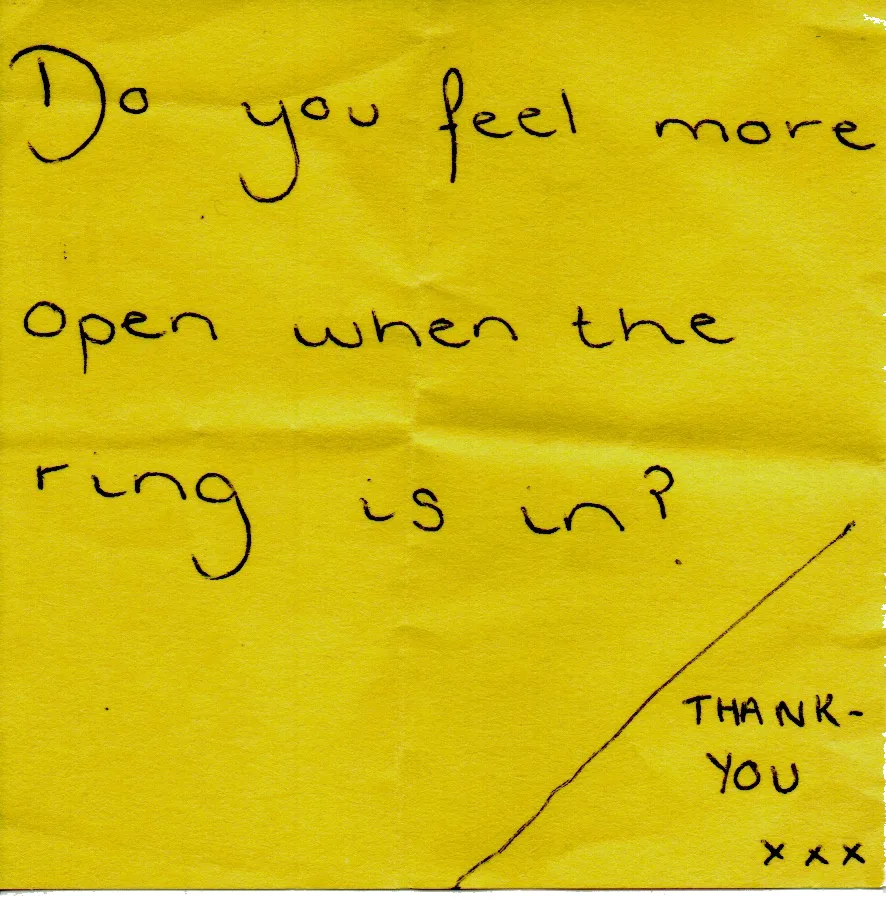
Do you feel more open when the ring is in?
Read the answer -
 Sex
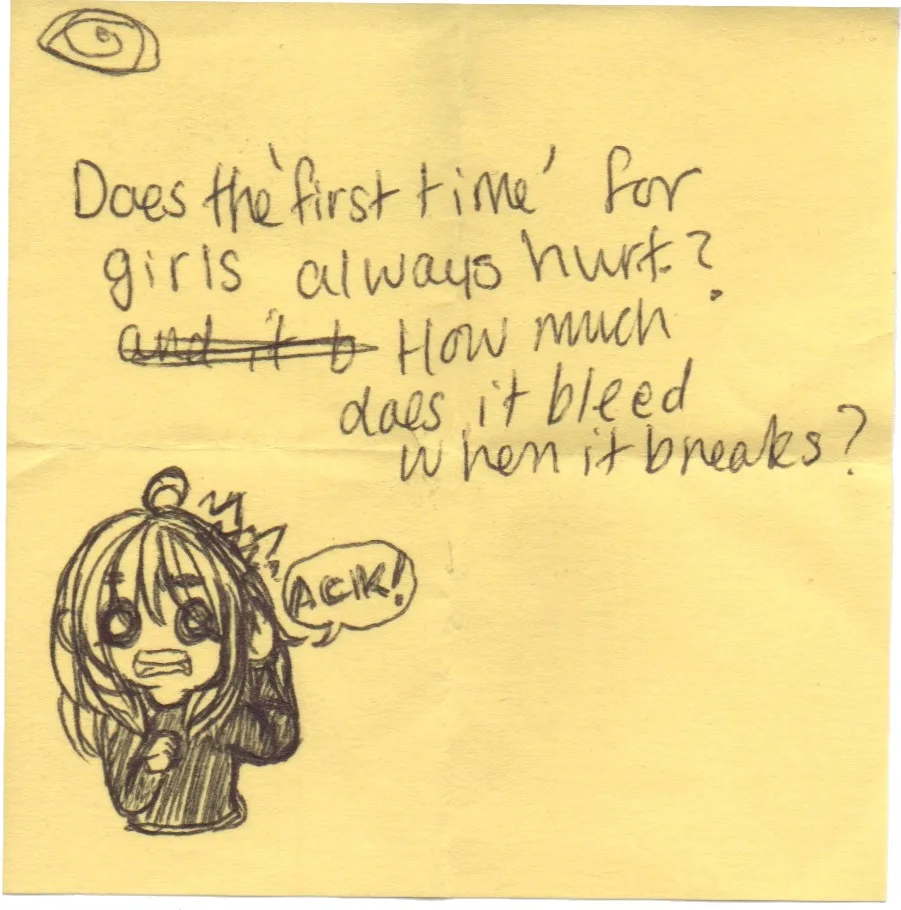
SexDoes the 1st time always hurt?
Read the answer -
 Anatomy
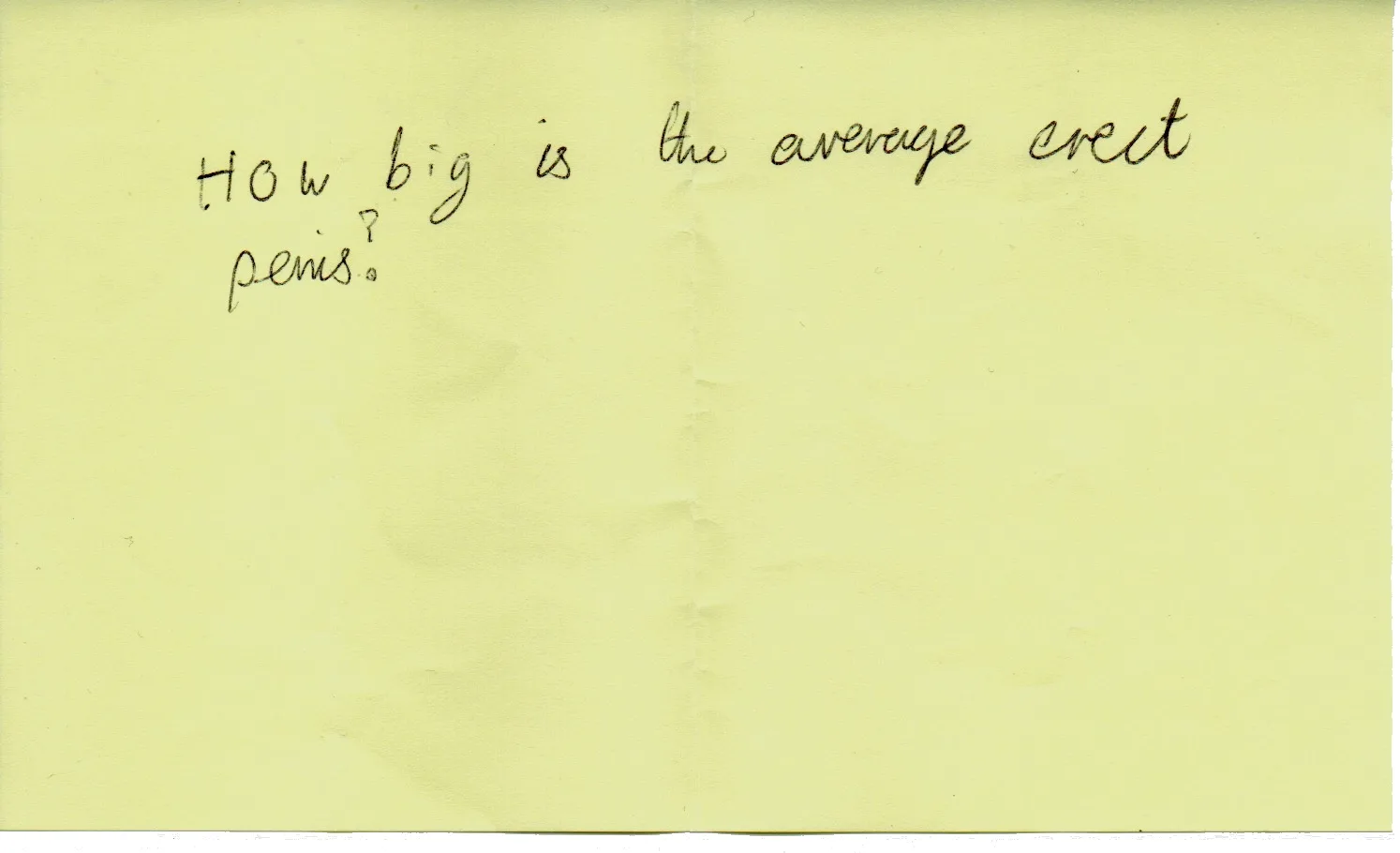
How big is the average erect penis size?
Read the answer -
 Sexual Health
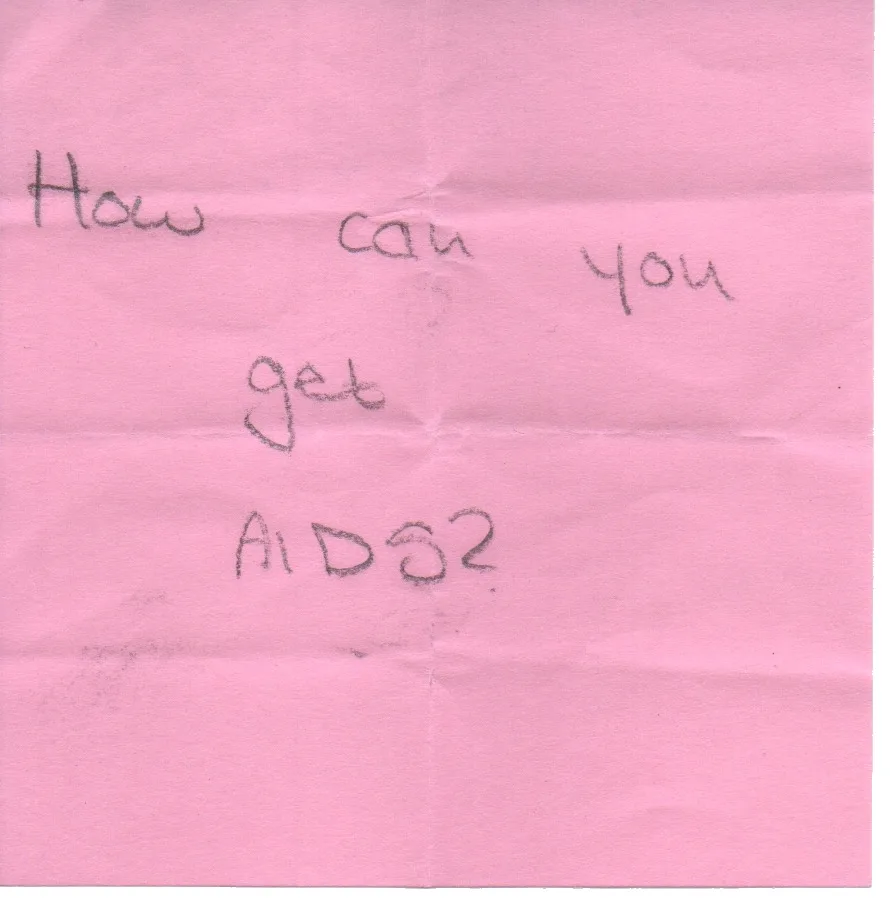
How can you get AIDS?
Read the answer -
 Sexual Health
How do you know if you have STD?
Read the answer -
 Sex
SexCan you have sex while peeing?
Read the answer
Need to talk to someone?
- ChildlineAny issue affecting under-19s. Abuse, bullying, mental health, relationships, sexual health.
For Teachers