
HIV
Human immunodeficiency virus. Attacks the immune system. Can't be cured but with medication people live long, healthy lives.
HIV is a virus that attacks the body's ability to fight off illness. It can't be cured, but with daily medicine, people with HIV live long, healthy lives and can't pass it on.
HIV stands for human immunodeficiency virus. It's a virus that attacks the immune system — specifically the white blood cells (CD4 cells) that help your body fight infections. It can't be cured, but with modern medication, people with HIV live long, healthy lives and can reach a point where they can't pass the virus on at all.
- HIV attacks the immune system by destroying CD4 cells.
- It's passed on through blood, , vaginal fluid, and breast milk — not through casual contact.
- With (ART), people with HIV have the same life expectancy as anyone else.
- Someone on effective treatment can become "undetectable" — meaning they can't pass HIV on (U=U).
- HIV is preventable: , (pre-exposure prophylaxis), and (post-exposure prophylaxis) all reduce the risk.
[DIAGRAM: Infographic showing HIV transmission routes, treatment pathway (testing → diagnosis → ART → undetectable = untransmittable), and prevention methods (PrEP, PEP, condoms)]
How it spreads
HIV is found in certain body fluids: blood, semen (including ), vaginal fluid, rectal fluid, and breast milk. It's passed on when these fluids get into another person's body — usually through:
- Unprotected vaginal or (the most common route)
- Sharing needles or injecting equipment
- From mother to baby during , birth, or breastfeeding (preventable with treatment)
- Very rarely, through (the risk is much lower)
HIV is not spread through saliva, sweat, urine, hugging, kissing, sharing food, coughing, sneezing, insect bites, or toilet seats. You can't catch it from everyday social contact.
Treatment: ART and U=U
Antiretroviral therapy (ART) is daily medication that stops HIV from multiplying. Most people take one pill a day. With treatment, the amount of virus in the body () drops to undetectable levels — meaning standard tests can't pick it up.
This is where U=U comes in: undetectable = untransmittable. Someone with an undetectable viral load cannot pass HIV on to sexual partners. This has been proven in multiple large studies and is one of the most important facts about HIV today. Many people still don't know this.
Treatment is free on the NHS, and people diagnosed with HIV in the UK start it quickly. With ART, the average life expectancy for someone diagnosed early is the same as someone without HIV.
Prevention
There are several ways to prevent HIV:
- Condoms — very effective at preventing transmission during sex
- PrEP (pre-exposure prophylaxis) — a daily pill (or on-demand dosing) taken by people who don't have HIV to prevent them getting it. Available free on the NHS. Over 99% effective when taken correctly. [CHECK: current NHS PrEP access pathway]
- PEP (post-exposure prophylaxis) — emergency medication taken within 72 hours of potential exposure. Available from and A&E. The sooner you start, the more effective it is.
- ART for people with HIV — by reaching undetectable status, people with HIV prevent onward transmission
Testing
HIV testing is free, confidential, and available at sexual health clinics, through GPs, and via postal home testing kits. Most tests look for HIV antibodies, which can take a few weeks to develop after infection — this is called the . A test taken too early might miss a recent infection, so timing matters.
If you've had unprotected sex or think you might have been exposed, getting tested is the responsible thing to do. Most people test negative, and for those who test positive, early diagnosis means early treatment — which means the best possible outcome.
The stigma
HIV still carries significant stigma, much of it left over from the 1980s and 90s when the virus was poorly understood, untreatable, and heavily associated with men. Today, HIV is a manageable condition — but the fear and misinformation linger. Stigma stops people from testing, from talking about their status, and from getting help.
Understanding the facts — that treatment works, that U=U is real, and that HIV can affect anyone — helps challenge that stigma.
Things people get wrong
"HIV is a death sentence." It hasn't been for decades. With treatment, people with HIV live normal-length, healthy lives.
"Only gay men get HIV." HIV affects people of all genders and sexualities. Globally, sex is the most common route of transmission. In the UK, gay and men are disproportionately affected, but anyone sexually active can reduce their risk.
"You can tell if someone has HIV." You can't. Most people with HIV — especially those on treatment — look and feel completely healthy. The only way to know someone's status is a test.
"If you use condoms, you don't need to worry." Condoms are very effective, but they're not 100%. PrEP adds an extra layer of protection. And testing regularly means you catch any infection early.
Things people ask about HIV
How do I get tested?
Walk into a sexual health clinic, order a free postal test kit, or ask your GP. It's quick, free, and confidential. Most results come back within a few days.
What's the difference between HIV and ?
HIV is the virus. AIDS is the late stage of untreated HIV, when the immune system is severely damaged. With modern treatment, HIV almost never progresses to AIDS.
Can I take PrEP just in case?
Yes — PrEP is for anyone at higher risk of HIV. It's available free on the NHS through sexual health clinics. You'll need an initial appointment and regular check-ups, but accessing it is straightforward. [CHECK: current PrEP eligibility criteria]
What do I do if I think I've been exposed?
Get to a sexual health clinic or A&E within 72 hours for PEP. The sooner you start, the better it works.
Where to get help
- Terrence Higgins Trust — the UK's leading HIV charity, with information, support, free testing, and PrEP guidance.
- Sexual health clinics (GUM clinics) — free HIV testing, PrEP, PEP, and treatment referral.
- NHS 111 — can direct you to your nearest service, including for emergency PEP.
- Positively UK — peer support for people living with HIV.
HIV stands for human immunodeficiency virus. It attacks the part of your body that fights off illness — the immune system. Without treatment, it gets worse over time. But with medicine, people with HIV live just as long as anyone else.
HIV is passed on through certain body fluids — blood, the fluid that comes from the during sex, fluid from inside a girl's or woman's body, and breast milk. The most common way to catch it is through sex without a . You cannot catch it from kissing, hugging, sharing food, or using the same toilet.
The medicine for HIV is usually one pill a day. It stops the virus from growing. When the virus drops low enough, it's called "undetectable." That means the person can't pass HIV on through sex at all. This is proven and is sometimes written as U=U — undetectable equals untransmittable.
There are also ways to stop yourself getting HIV. Condoms help a lot. There's a pill called that people without HIV can take every day to protect themselves. And if you think you might have been exposed, there's emergency medicine called that works if you take it within 3 days.
HIV testing is free, quick, and private. You can get tested at a , through your doctor, or with a home test kit sent in the post.
There's still a lot of fear around HIV from a time when there was no treatment. That's changed. HIV is now a manageable condition, not a death sentence.
Related terms
Questions about this
-
 Sexual Health
Can an STI go away if you have it?
Read the answer -
 Sexual Health
How can you get AIDS?
Read the answer -
 Sexual Health
Where do STIs come from?
Read the answer -
 Sexual Health
If both male and female are virgins can they still get STIs?
Read the answer -
 Sexual Health
How do you test for any AIDS virus or infection?
Read the answer -
 Sexual Health
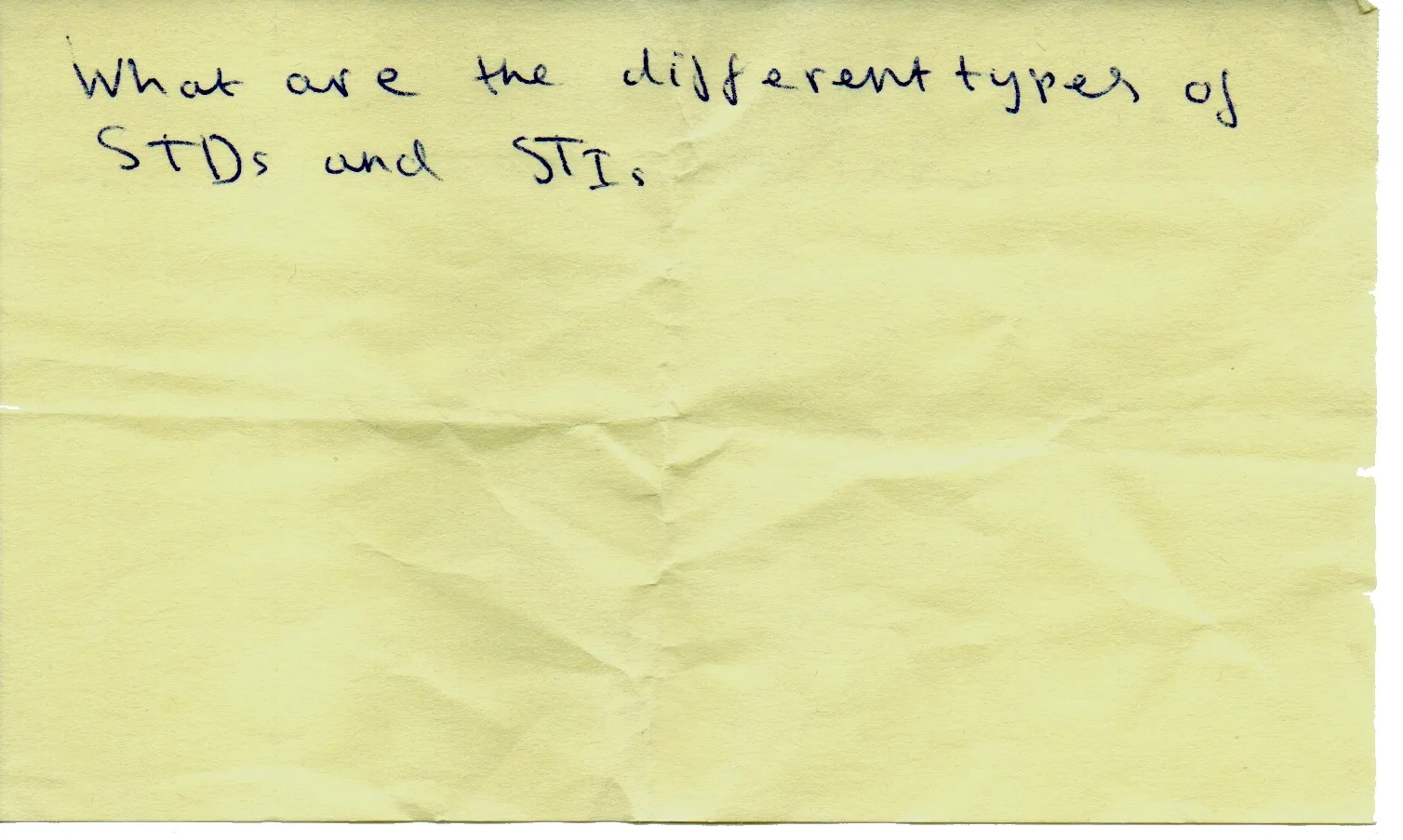
What are the different types of STI?
Read the answer
Need to talk to someone?
- ChildlineAny issue affecting under-19s. Abuse, bullying, mental health, relationships, sexual health.