

What's the most common STI/STD?
In the UK, the most commonly diagnosed is . It accounts for nearly half of all STI diagnoses in England each year.
Chlamydia is especially common in young people under 25. One of the reasons it spreads so easily is that most people who have it don't have any symptoms. You can have chlamydia and feel completely fine, which means you can pass it on without realising.
The good news is that chlamydia is easy to test for (usually just a urine sample) and easy to treat (a short course of antibiotics clears it up).
Globally, the most common STI is (human papillomavirus). Most sexually active people will get HPV at some point in their lives. Most strains are harmless and clear up on their own, but some can cause and others are linked to certain cancers. There's a vaccine for HPV that's offered to all young people in the UK during school.
In the UK, the most common is . It makes up nearly half of all STI cases each year.
Chlamydia is especially common in young people under 25. It spreads easily because most people who have it do not have any symptoms. You can have it and feel completely fine.
The good news is that chlamydia is easy to test for and easy to treat with antibiotics.
Worldwide, the most common STI is . Most people who have sex will get HPV at some point. Most types are harmless and go away on their own. The HPV vaccine given in schools protects against the most dangerous types.
Need to talk to someone?
- BrookSexual health, contraception, relationships, STIs. For under-25s.
- NHS Sexual HealthSexual health services, STI testing, contraception.
- ChildlineAny issue affecting under-19s. Abuse, bullying, mental health, relationships, sexual health.
Other questions young people ask
-
 Sexual Health
How can you get AIDS?
Read the answer -
 Sexual Health
Where do STIs come from?
Read the answer -
 Sexual Health
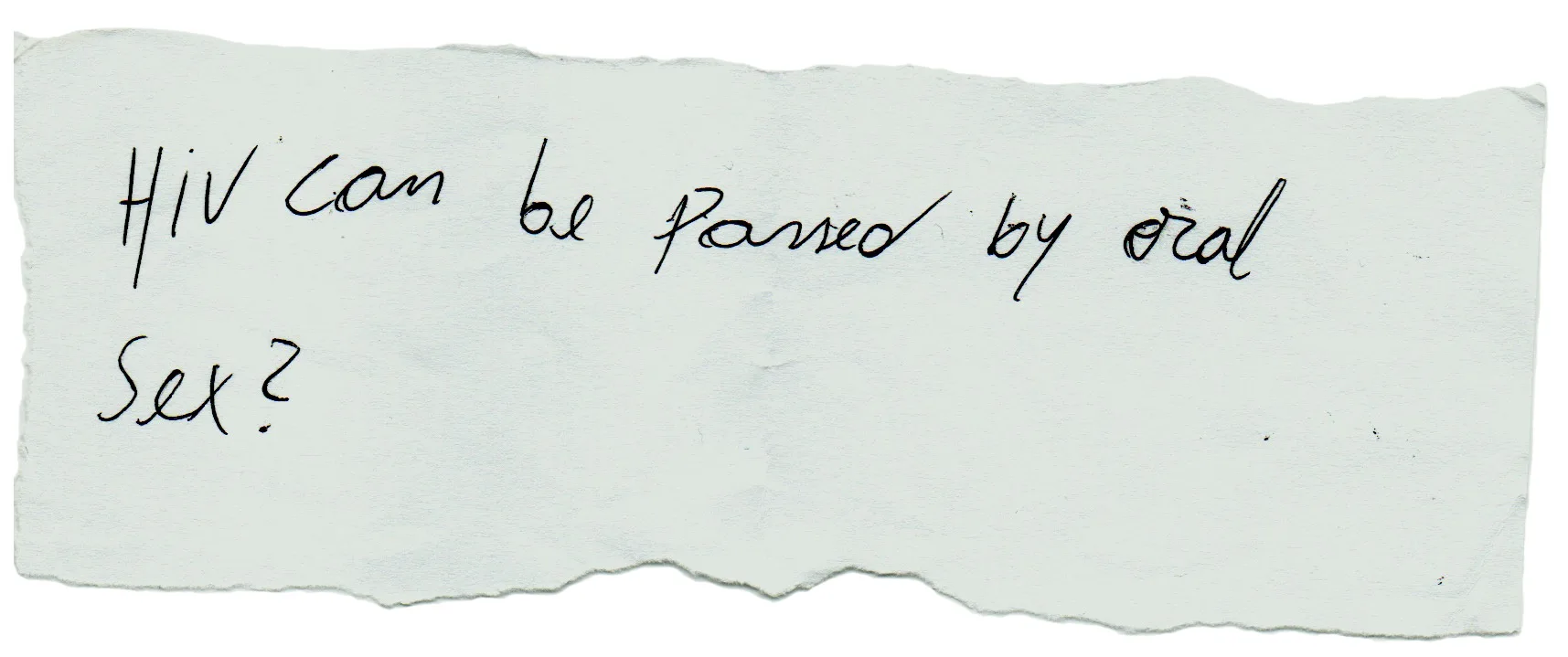
HIV can be passed by oral sex?
Read the answer -
 Sexual Health
If both male and female are virgins can they still get STIs?
Read the answer -
 Sexual Health
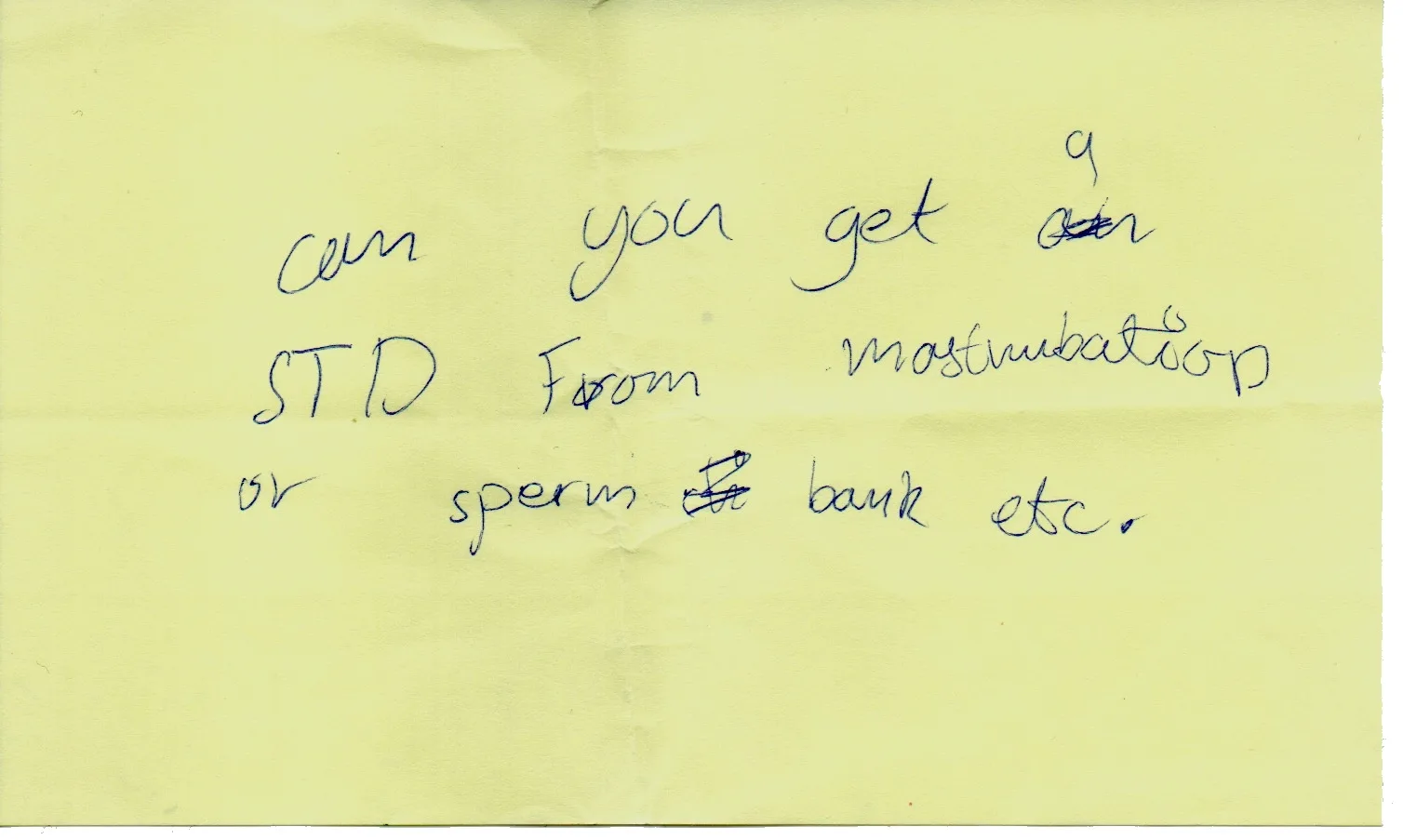
Can you get an STI from masturbation or sperm bank etc?
Read the answer
Where to go from here
Three places this answer connects to — pick what you need next.
The book that answers the questions young people really ask — written for parents, carers and educators.
Buy the book →Curriculum guidance, lesson ideas and key terms to teach this topic with confidence.
See the topic hub →Expert-led delivery, training and curriculum planning from the team behind Okay to Ask.
See our services →