
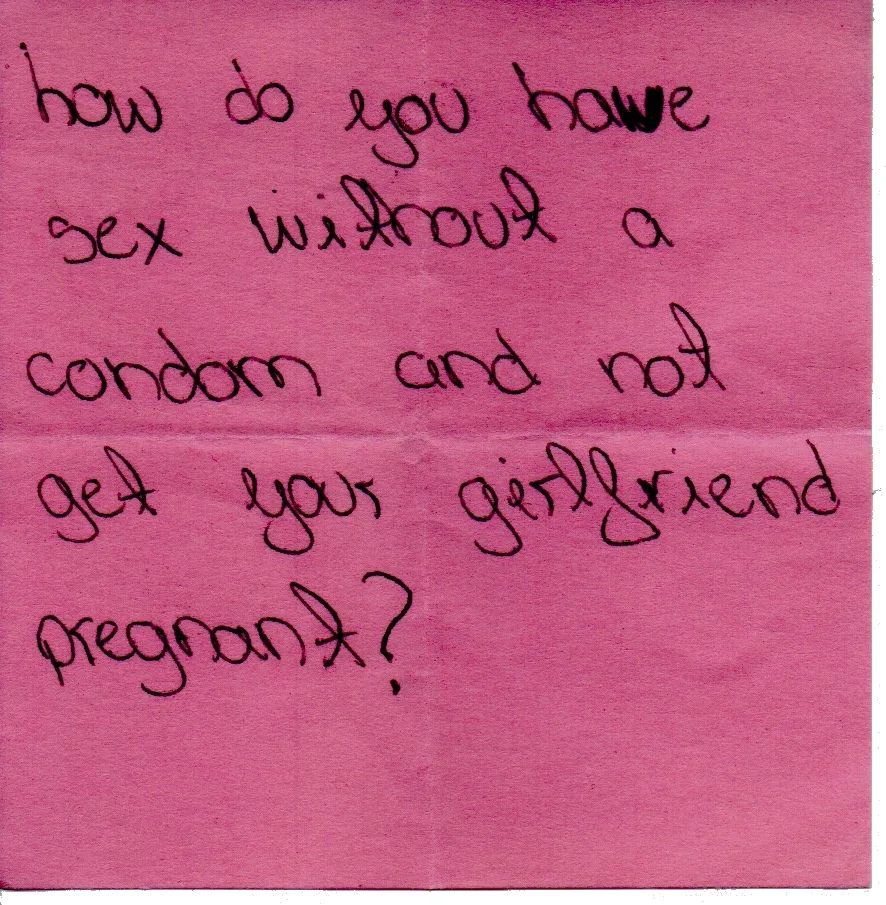
How do you have sex without a condom and not get your girlfriend pregnant?
If you don't want to use a , your girlfriend would need to be using another form of to prevent . That's her decision to make, not just yours, so it's something you'd need to talk about together.
The most effective options that don't involve condoms are the (a small rod placed under the skin of the arm, lasts three years), the or coil (placed inside the by a doctor, lasts 5 to 10 years depending on the type), the (given every 8 to 13 weeks), and (taken daily). All of these are available for free through a GP or .
These methods are very effective at preventing pregnancy when used properly. But none of them protect against . Condoms are the only form of contraception that does both. So if you're not using condoms, you're only protected against pregnancy, not infections.
is not reliable contraception. can contain , and the failure rate is about 1 in 5 with typical use.
If you're thinking about ditching condoms, both of you should get tested for STIs first. And make sure whatever method you're using is something your girlfriend is comfortable with and has chosen for herself.
If you don't use a , your girlfriend would need to use a different type of to stop . This is something you should talk about together.
The most effective options are the (a small rod in the arm), the coil (put inside the womb by a doctor), the (every few months), and (taken every day). All of these are free from a GP or .
These methods stop pregnancy, but they do not protect against . Condoms are the only thing that does both. So if you stop using condoms, you are only protected against pregnancy, not infections.
is not reliable. It does not work well enough to count on.
If you are thinking about not using condoms, both of you should get tested for STIs first.
Need to talk to someone?
- BrookSexual health, contraception, relationships, STIs. For under-25s.
- NHS Sexual HealthSexual health services, STI testing, contraception.
- ChildlineAny issue affecting under-19s. Abuse, bullying, mental health, relationships, sexual health.
Other questions young people ask
-
 Contraception & Pregnancy
Which method of contraception is the most effective?
Read the answer -
 Contraception & Pregnancy
What if the condom are too big?
Read the answer -
 Contraception & Pregnancy
What is the minimum age you need for free condoms?
Read the answer -
 Contraception & Pregnancy
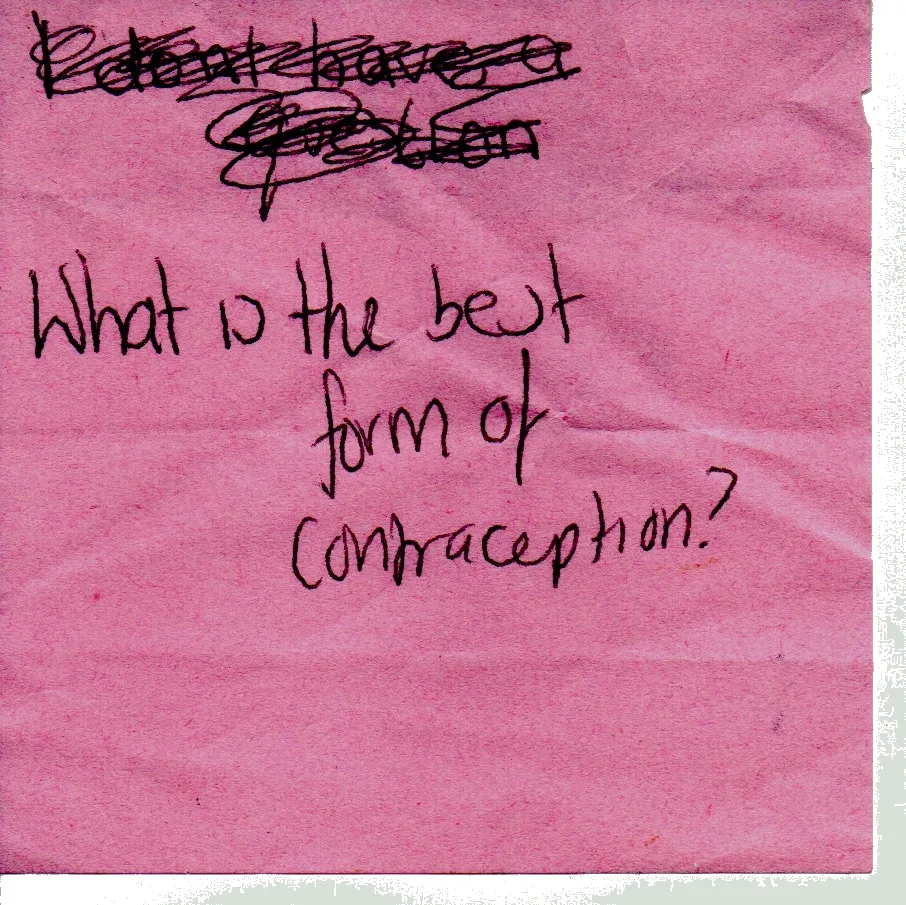
What is the best form of contraception?
Read the answer -
 Contraception & Pregnancy
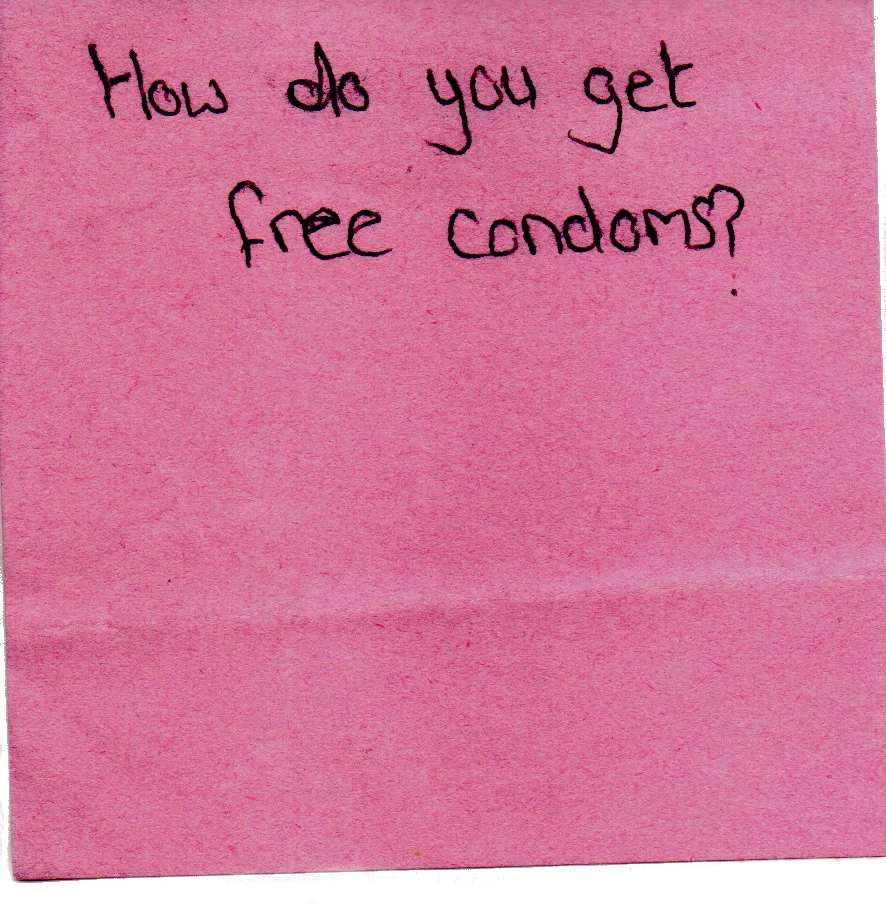
How do get free condoms?
Read the answer
Where to go from here
Three places this answer connects to — pick what you need next.
The book that answers the questions young people really ask — written for parents, carers and educators.
Buy the book →Curriculum guidance, lesson ideas and key terms to teach this topic with confidence.
See the topic hub →Expert-led delivery, training and curriculum planning from the team behind Okay to Ask.
See our services →