
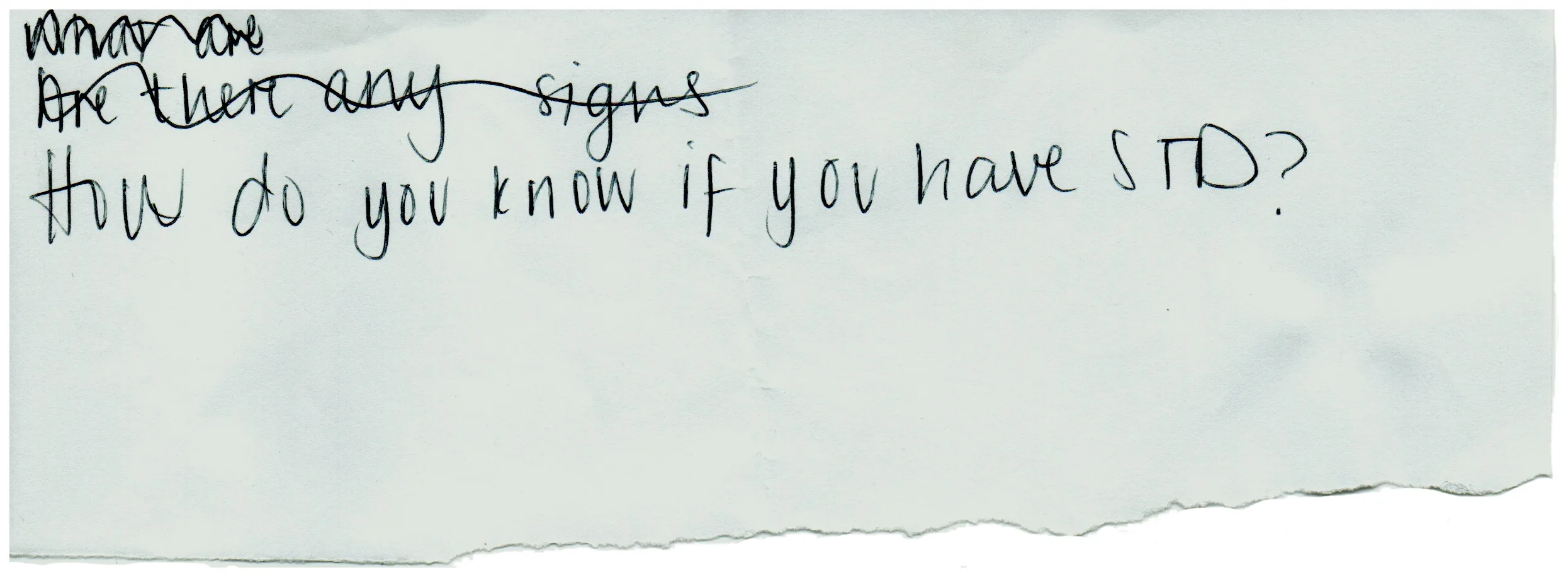
How do you know if you have STD?
A lot of the time, you don't. Many have no obvious symptoms, which is why testing is the only way to know for sure.
Some STIs do cause symptoms you might notice: unusual from the or , pain or burning when you pee, sores, blisters, or bumps around the genitals or mouth, itching, or pain during sex. If you notice any of these, get tested.
But plenty of STIs, including (the most common one in the UK), often show no symptoms at all. You could have one and feel completely fine. That's why waiting for symptoms before getting tested doesn't work. By the time symptoms appear, you might have already passed it on.
If you've had unprotected sex, or you're worried for any reason, get tested. It's free, confidential, and usually just a urine sample or a blood test. You can go to a , your GP, or order a home testing kit online.
A lot of the time, you do not know if you have an . Many STIs have no symptoms at all. The only way to know for sure is to get tested.
Some STIs do cause signs you might notice, like unusual , pain when peeing, sores, itching, or pain during sex. If you notice any of these, get tested.
But many people with STIs feel completely fine. , the most common STI in the UK, usually has no symptoms.
Testing is free, quick, and private. You can go to a , your GP, or order a test kit online.
Need to talk to someone?
- BrookSexual health, contraception, relationships, STIs. For under-25s.
- NHS Sexual HealthSexual health services, STI testing, contraception.
- ChildlineAny issue affecting under-19s. Abuse, bullying, mental health, relationships, sexual health.
Other questions young people ask
-
 Sexual Health
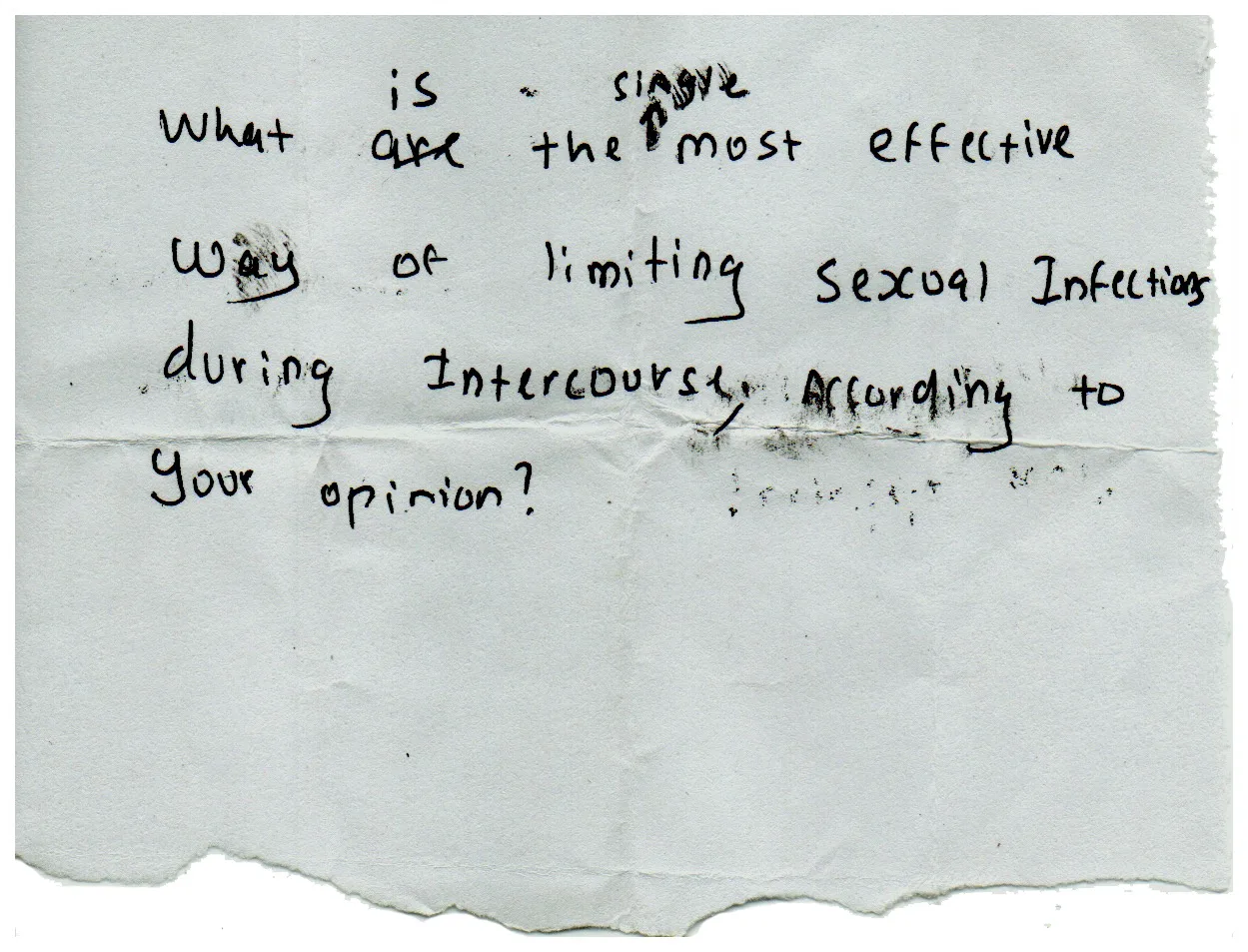
What is the single most effective way of limiting sexual infections?
Read the answer -
 Sexual Health
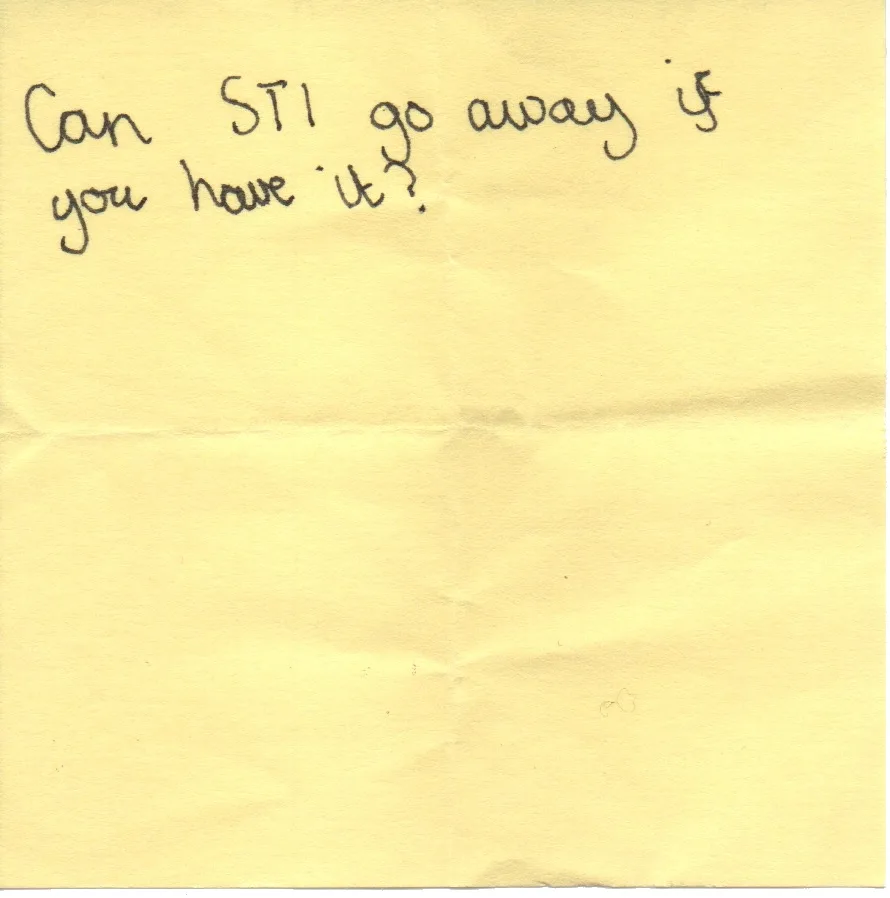
Can an STI go away if you have it?
Read the answer -
 Sexual Health
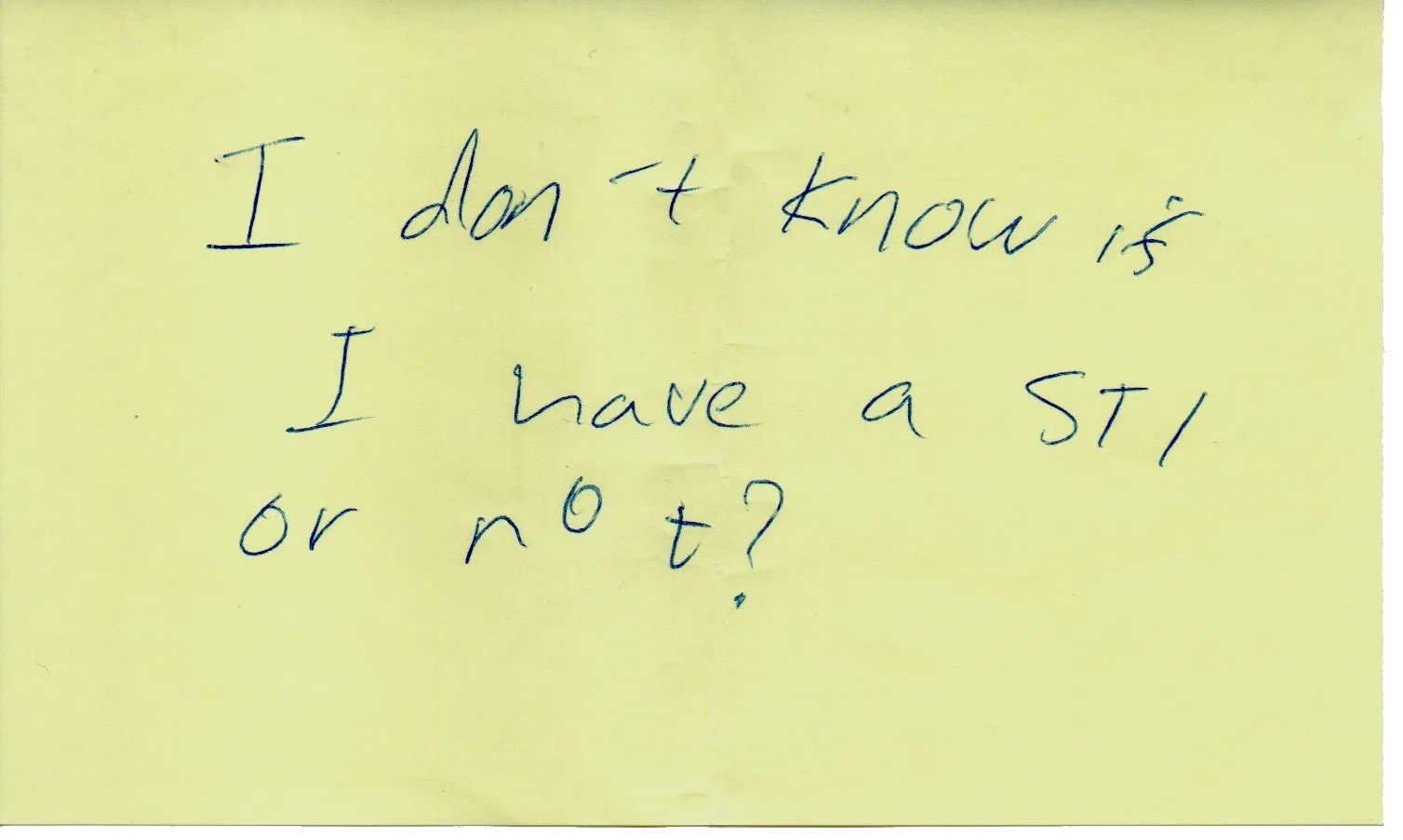
I don't know if I have an STI or not
Read the answer -
 Sexual Health
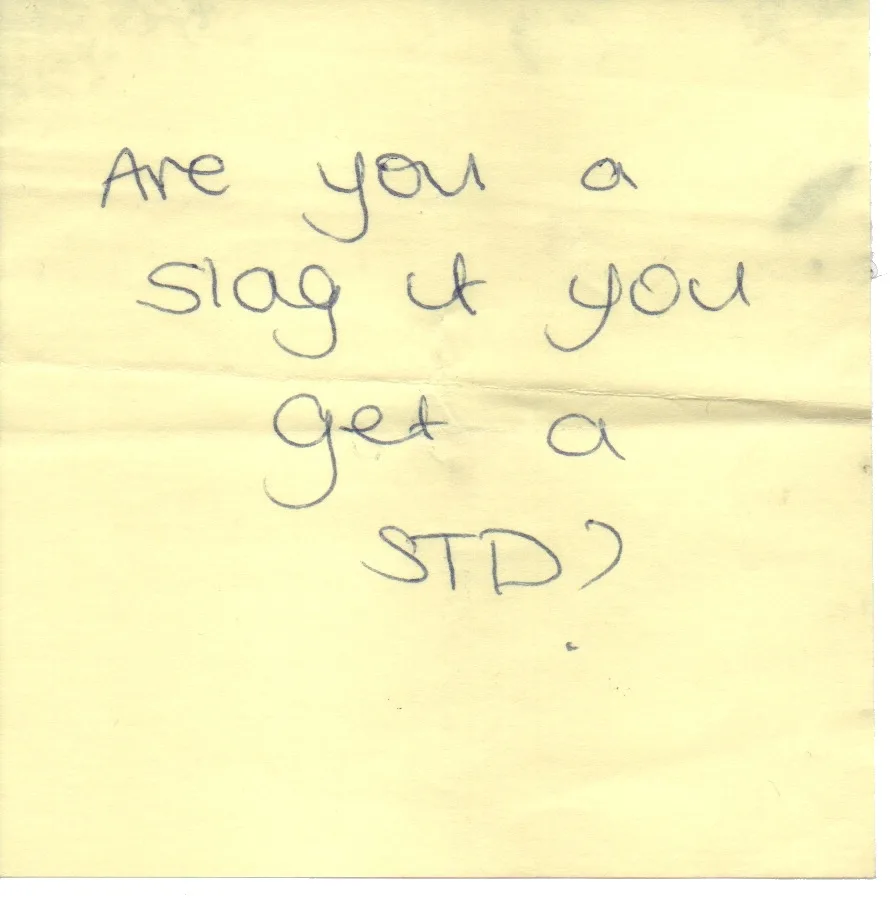
Are you a slag if you get an STD?
Read the answer -
 Sexual Health
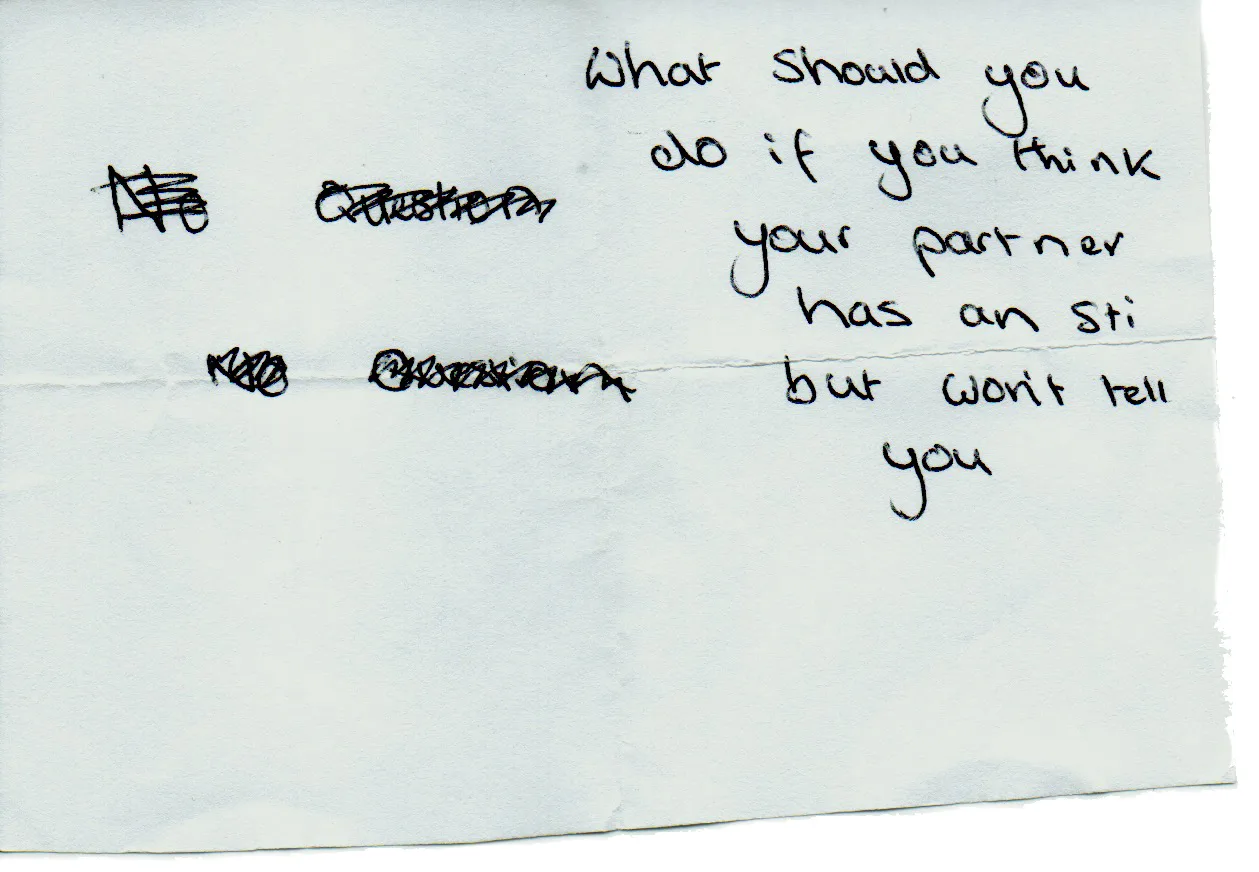
What should you do if you think your partner has an STI but wont tell you?
Read the answer
Where to go from here
Three places this answer connects to — pick what you need next.
The book that answers the questions young people really ask — written for parents, carers and educators.
Buy the book →Curriculum guidance, lesson ideas and key terms to teach this topic with confidence.
See the topic hub →Expert-led delivery, training and curriculum planning from the team behind Okay to Ask.
See our services →